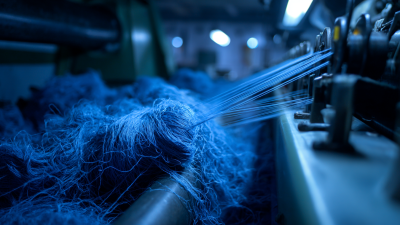
Exploring the Versatility of PVC Plastic: Innovative Applications in Modern Design
As the demand for sustainable and versatile materials continues to grow,
PVC plastic has emerged as a cornerstone in modern design,
revolutionizing industries from construction to fashion. According to a report by MarketsandMarkets, the global PVC market
is projected to reach USD 67.3 billion by 2026, indicating a compound annual
growth rate (CAGR) of 5.4% from 2021. This remarkable growth underscores
the unique properties of PVC plastic, including its durability, flexibility, and cost-effectiveness.
Innovative applications of PVC are evident in architecture, where it is used for roofing, cladding, and flooring,
contributing to energy-efficient building designs. Furthermore, in the fashion industry,
PVC plastic is being utilized for eco-friendly clothing and accessories, highlighting its adaptability across
various sectors. As designers and manufacturers continue to explore the versatility of PVC plastic,
we can expect to see an increasing array of creative applications that balance functionality
and aesthetic appeal.
The Growing Popularity of PVC in Contemporary Architecture
The growing popularity of PVC (Polyvinyl Chloride) in contemporary architecture showcases the material's versatility and adaptability across various applications. As one of the most widely used plastics globally, PVC is increasingly favored for its strength, durability, and cost-effectiveness, making it an ideal choice for building materials. According to industry reports, the global PVC market is expected to reach approximately $100 billion by 2025, driven largely by its extensive application in infrastructure and construction.
In particular, PVC is used in a variety of architectural elements, including window frames, flooring, and roofing systems. Its resistance to moisture and pests significantly extends the lifespan of these materials, providing long-term value to builders and consumers. Furthermore, the ability of PVC to be manufactured in a range of colors and textures allows for innovative designs that enhance aesthetic appeal while remaining functional. As a result, architects and designers are increasingly incorporating PVC into their projects, recognizing its potential to revolutionize contemporary design while addressing the growing demands for sustainable and efficient building practices.
As the trend toward eco-friendly materials continues to rise, the adoption of PVC is likely to grow in urban development and renovation projects. This shift is supported by reports which indicate that up to 70% of new construction projects in urban areas will incorporate sustainable materials by 2030, with PVC positioned as a key player in this evolution, thanks to its recyclability and lower environmental impact compared to traditional materials.
Creative Uses of PVC in Interior Design and Decor
PVC plastic, known for its durability and versatility, has emerged as a favorite material in modern interior design and decor. With its ability to mimic natural materials like wood and stone, designers are increasingly incorporating PVC in a variety of applications. According to a recent report by Grand View Research, the global PVC market in construction is expected to reach USD 72.89 billion by 2027, indicating a robust trend toward the material's use in residential and commercial spaces.
One innovative use of PVC is in wall coverings. Designers are turning to PVC panels as a stylish alternative to traditional wallpaper, providing not only aesthetic appeal but also moisture resistance, making them perfect for kitchens and bathrooms. Additionally, PVC's lightweight nature allows for easy installation and removal, appealing to homeowners looking for temporary design solutions.
Tips: When choosing PVC products for interior design, consider options that have a high percentage of recycled material for an eco-friendlier choice. Also, explore the wide range of textures and finishes available to add depth and character to your space while remaining practical. Consider using PVC in creative furniture designs as well, such as chairs and tables, which can withstand wear and tear while offering unique stylistic flair.
Sustainable Innovations: Eco-Friendly PVC Solutions
PVC plastic, known for its versatility and durability, is making significant strides in eco-friendly applications. Recent industry reports indicate that the global demand for PVC products is projected to reach USD 73 billion by 2025, driven largely by the growing emphasis on sustainable materials in construction and design. Innovative PVC solutions, such as the development of recycled PVC (rPVC), are gaining traction, allowing manufacturers to reduce waste without compromising quality. In fact, rPVC can save up to 80% of energy compared to producing virgin PVC, making it an attractive option for environmentally conscious projects.
Tips for choosing eco-friendly PVC products include looking for certifications that ensure sustainability, such as those from the Forest Stewardship Council (FSC) or the Global Recycled Standard (GRS). Additionally, consider products made from bio-based PVC, which are derived from renewable resources and help minimize carbon footprints. Incorporating these sustainable innovations into modern design not only fosters aesthetic appeal but also promotes environmental responsibility, aligning with consumer preferences for greener choices.
As designers and manufacturers increasingly embrace eco-friendly practices, the potential of PVC as a sustainable solution continues to expand. The development of low-VOC (volatile organic compound) PVC products is further enhancing its appeal in indoor environments, contributing to better air quality and healthier living spaces. Embracing these advanced PVC options is crucial for those looking to merge modern design with ecological mindfulness.
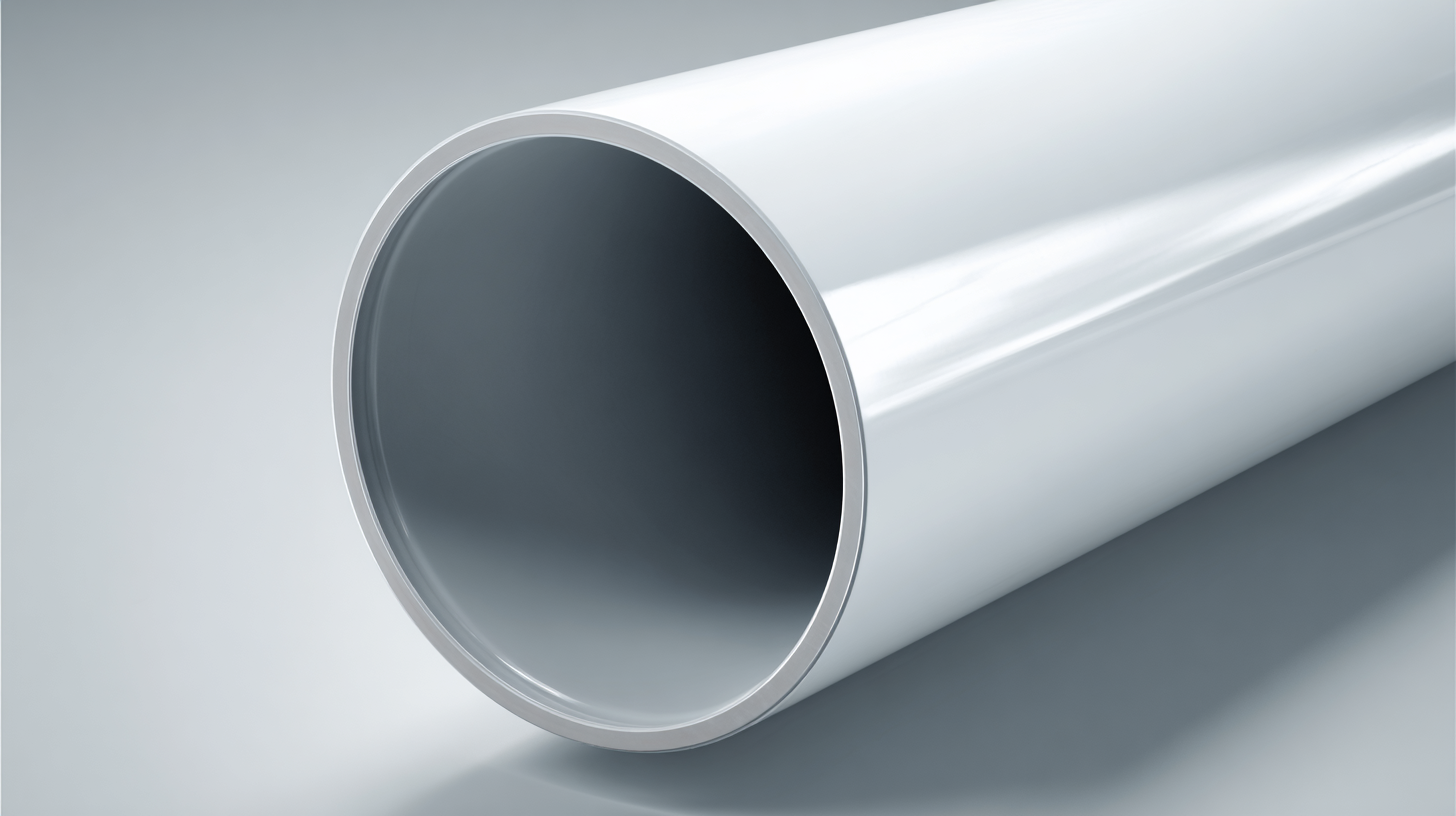
PVC in Fashion: Designing Durable and Stylish Wearable Art
PVC plastic has emerged as a transformative material in the fashion industry, marrying durability with avant-garde design. The versatility of PVC allows designers to experiment with textures, colors, and transparency, resulting in eye-catching pieces that challenge traditional notions of fabric. From high-end luxury brands to streetwear, PVC has made its mark by not only offering a waterproof alternative but also by providing a unique aesthetic that stands out in any collection.
Designers are increasingly using PVC to create wearable art that reflects both practicality and artistic expression. With its ability to be molded into various shapes, PVC is perfect for accessories like bags and footwear that demand both style and resiliency. Furthermore, its lightweight nature makes it an ideal choice for garments that require movement, allowing for innovative cuts and designs that enhance wearability. As fashion continues to evolve, the incorporation of PVC highlights a shift towards materials that prioritize sustainability without compromising on creativity and flair.
Innovative Applications of PVC in Modern Fashion Design
The Future of PVC: Trends and Innovations in Material Science
The future of PVC plastic in material science looks promising, as research continues to unveil innovative applications that enhance its versatility. Emerging trends showcase environmentally friendly alternatives, such as bio-based PVC formulations that reduce reliance on fossil fuels. These advancements not only contribute to sustainability but also maintain the performance characteristics that make PVC a popular choice in construction, fashion, and consumer goods.
Moreover, PVC is being integrated with smart technology, paving the way for applications in smart buildings and responsive design. With the integration of sensors and connectivity, PVC products can adapt to environmental conditions, improving energy efficiency and user comfort. This embrace of technology enables designers and architects to rethink how they utilize materials, pushing the boundaries of traditional applications and creating intricate, functional spaces that cater to modern living. As material science evolves, the future of PVC will likely be characterized by a blend of sustainability and technological innovation, reshaping industries and enhancing everyday experiences.