No Job is Too Big or Too Small!

Top 10 Advantages of Injection Molding You Should Know?

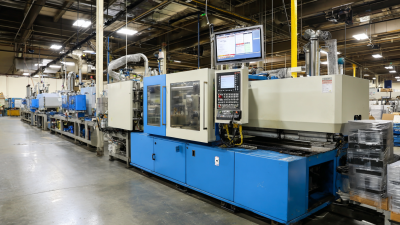
Injection molding is a revolutionary manufacturing process that offers various advantages. It enables the mass production of intricate parts with high precision and efficiency. Companies across many industries rely on injection molding for its cost-effectiveness and speed. This method can produce thousands of identical parts quickly, making it ideal for high-demand products.

One significant advantage of injection molding is its versatility. It can work with numerous materials, including plastics and metals. This allows manufacturers to choose the best material for their specific needs. Moreover, the process often results in minimal waste, which is an essential factor for sustainable manufacturing.

Despite its many benefits, injection molding is not without challenges. The initial setup costs can be high, and the design requires careful planning. However, when executed successfully, the advantages far outweigh these hurdles. The knowledge and expertise required in injection molding underscore its significance in modern manufacturing practices, making it an excellent choice for businesses looking to innovate and grow.
Top 10 Advantages of Injection Molding You Should Know?

Advantages of Injection Molding: Cost Efficiency and High Production Rates
Top 10 Advantages of Injection Molding You Should Know?

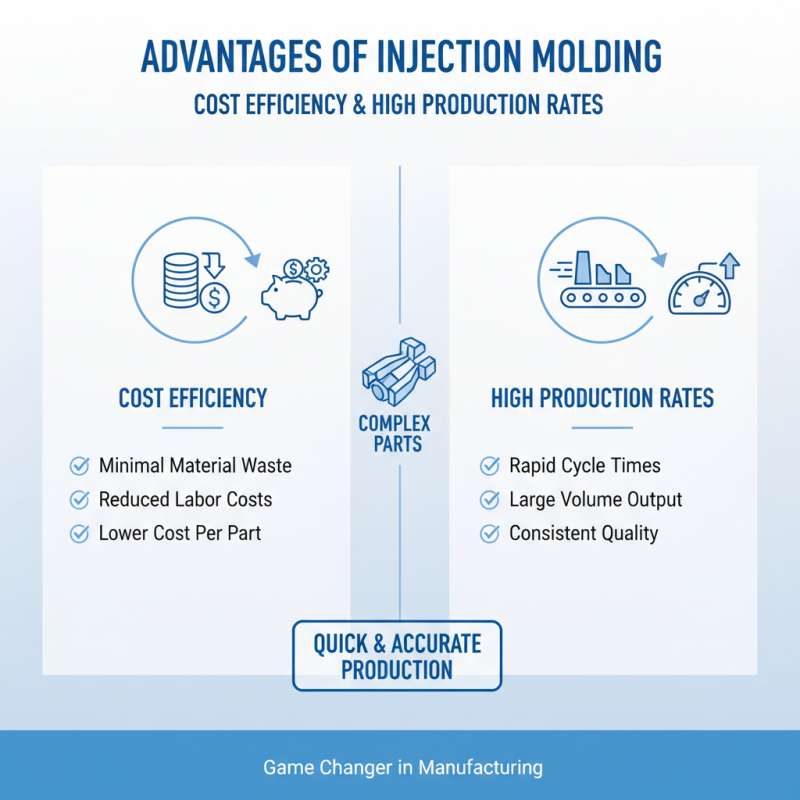
Injection molding is a game changer in manufacturing. It offers significant cost efficiency and high production rates. This process enables businesses to produce complex parts quickly and accurately. The material waste during injection molding is minimal, which contributes to cost savings. Lower material costs allow companies to invest in better designs or newer technologies.

Tips: Always analyze your design before starting production. Small changes can reduce costs further. Simplifying features often leads to better mold designs.

High production rates mean faster turnaround times. This is crucial in today’s fast-paced market. Companies can meet consumer demands swiftly. Quality control is also enhanced through consistent production cycles. Each piece is nearly identical, reducing the chances of defects.

Tips: Consider running a test batch first. It helps identify potential issues before full-scale production begins. Additionally, be prepared for unexpected challenges, as sometimes molds can wear or break unexpectedly. Taking proactive steps can mitigate these risks.
Material Versatility in Injection Molding: A Broad Range of Options

Injection molding is well-known for its material versatility. It allows manufacturers to utilize a broad range of materials. Common options include thermoplastics, thermosets, and elastomers. Each material possesses unique characteristics, offering diverse applications. For instance, thermoplastics are great for items needing flexibility, while thermosets excel in heat resistance. This variety opens doors for innovation across industries.

Choosing the right material is crucial, but it can be tricky. Some materials might not perform as expected in certain conditions. Manufacturers must carefully test how materials interact with specific products. They should consider factors like temperature and stress resistance. Often, they need to balance cost with performance. This complexity necessitates a strong understanding of material science.

Moreover, the choice of material impacts the production process. Each type may require different molding techniques and temperatures. If not managed well, this can lead to defects. It’s important to continuously refine methods and learn from failures. Mistakes can provide valuable insights into improving material selection and workflow. This continuous learning process is vital for achieving quality in injection molding.

Top 10 Advantages of Injection Molding: Material Versatility

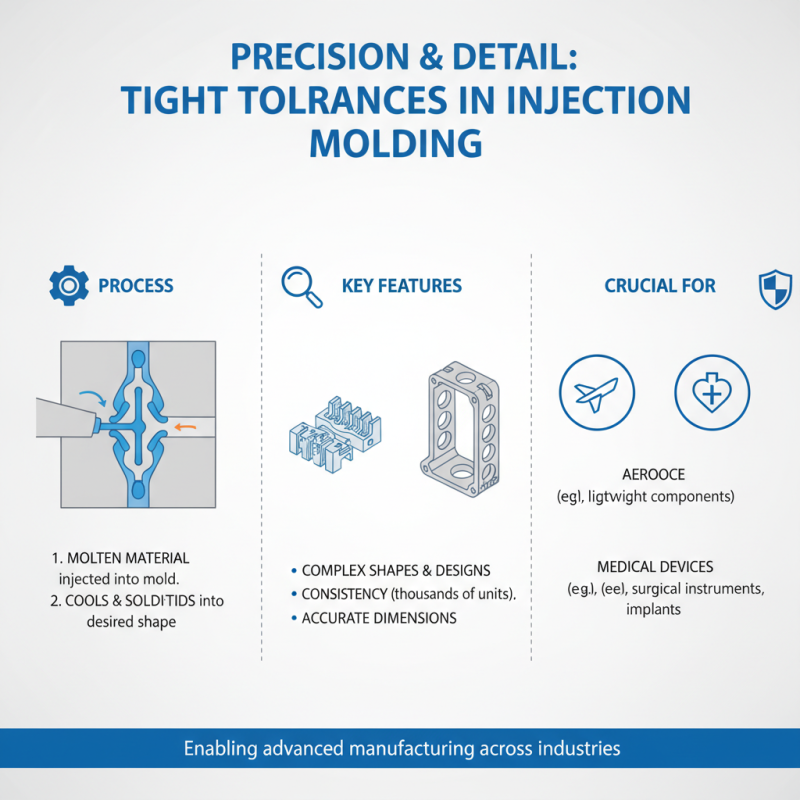
Precision and Detail: Achieving Tight Tolerances in Injection Molded Parts

Top 10 Advantages of Injection Molding You Should Know?

Injection molding is renowned for its precision and detail, enabling the production of parts with tight tolerances. This technique allows manufacturers to create complex shapes and intricate designs, ensuring consistency across thousands of units. The process involves injecting molten material into a mold. As it cools, the material solidifies into the desired shape. Achieving accuracy in dimensions is crucial in industries like aerospace and medical devices.

However, mastering injection molding requires expertise and experience. The slightest error in the mold can lead to defects. For example, variations in temperature or pressure during injection can affect the final product. Engineers must carefully monitor these parameters to maintain quality standards. While advanced technology assists in precision, human oversight remains vital. Continuous learning and adaptation are essential to tackle challenges and improve processes. This reflects the complexity of creating flawless components through injection molding.

Scalability of Production: Meeting Demand from Prototype to Mass Production

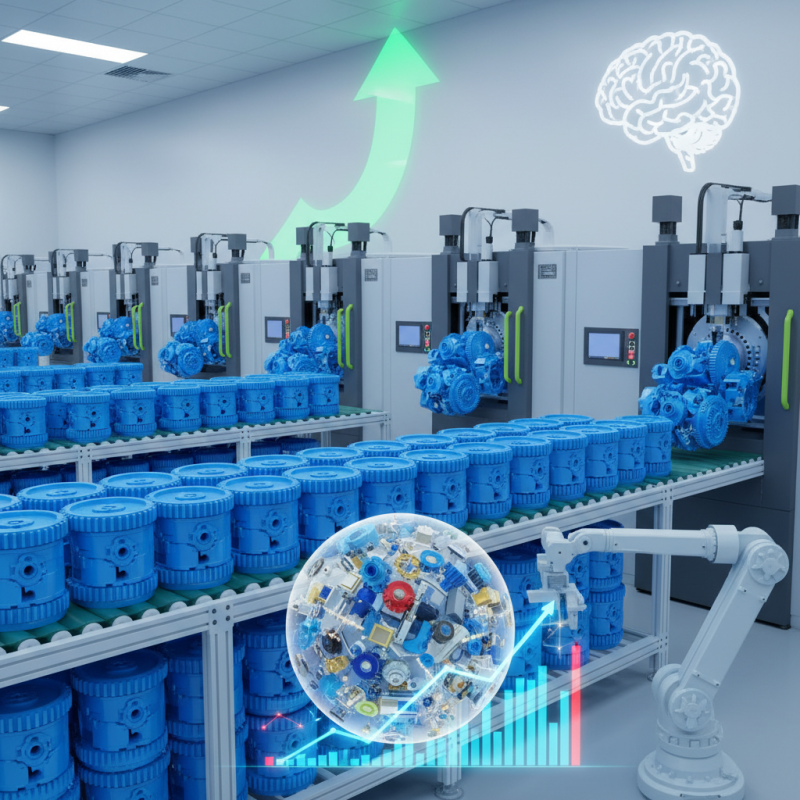
Injection molding offers remarkable scalability, transforming from initial prototypes to massive production runs. This adaptability is essential for businesses aiming to meet variable market demands. Companies can produce small batches to test the market without significant investment. This flexibility allows for adjustments based on feedback, ensuring product refinement.

As production scales up, the efficiency of injection molding shines. High-volume manufacturing can occur quickly, resulting in reduced lead times. The ability to create thousands of identical parts with consistency is invaluable. However, companies must consider the initial costs of mold creation. These expenses can be daunting, especially for startups.

Adjustments during mass production can lead to challenges. Maintaining quality while increasing output requires rigorous quality control processes. Even minor issues can lead to significant losses. It’s vital to have a robust system in place, ensuring that scaling up does not compromise quality. The journey from concept to mass production can be complex, but the rewards often outweigh the challenges.

Reduced Waste and Increased Sustainability in Injection Molding Processes

Injection molding is known for its efficiency, but its impact on sustainability is often overlooked. The process significantly reduces waste. It allows manufacturers to use materials more effectively, minimizing scrap. This is crucial as industries face growing environmental pressures. High precision is achieved with every mold, which means less excess material is produced.

Tip: Consider optimizing your mold design. A well-planned mold can lead to better material usage and less waste.

Moreover, injection molding supports the use of recycled materials. Many companies are adopting sustainable practices by incorporating recycled plastics into their products. This not only reduces demand for virgin resources but also promotes a circular economy. However, the challenge lies in ensuring that the quality of recycled materials meets industry standards.

Tip: Regularly assess the quality of your recycled materials. Maintaining quality is vital to production success.

While injection molding presents a more sustainable option compared to other manufacturing methods, challenges persist. The energy consumption during production stages can be significant. Addressing these inefficiencies requires constant innovation and adaptation. Sustainability is a journey, not a destination, especially in the ever-evolving field of manufacturing.

Top 10 Advantages of Injection Molding You Should Know

Advantage Description Impact on Sustainability
Reduced Material Waste Injection molding uses only the necessary amount of material. Minimizes wasted resources and decreases landfill contributions.
High Efficiency Quick production cycles with minimal downtime. Allows for high-volume production with lower energy consumption.
Design Flexibility Complex shapes and designs can be achieved easily. Enables innovative product designs that can enhance functionality.
Consistency and Accuracy Very precise and consistent part production. Reduces defects and the need for rework, saving materials.
Material Versatility Compatible with a wide range of plastics and additives. Facilitates recycling of materials and reduces resource depletion.
Low Labor Costs Automation leads to decreased labor requirements. Lowers operational costs and increases overall efficiency.
Fewer Process Steps Single-step manufacturing process for complex parts. Streamlines production and reduces energy consumption.
Less Scrap and Rework Minimized rework needed due to high-quality outputs. Directly contributes to lower material wastage.
Energy Efficiency Modern machines consume less energy compared to older methods. Promotes sustainable practices by reducing overall energy use.
Increased Production Rates High-speed processing enhances output capabilities. Supports the demand for faster, lower-impact production.