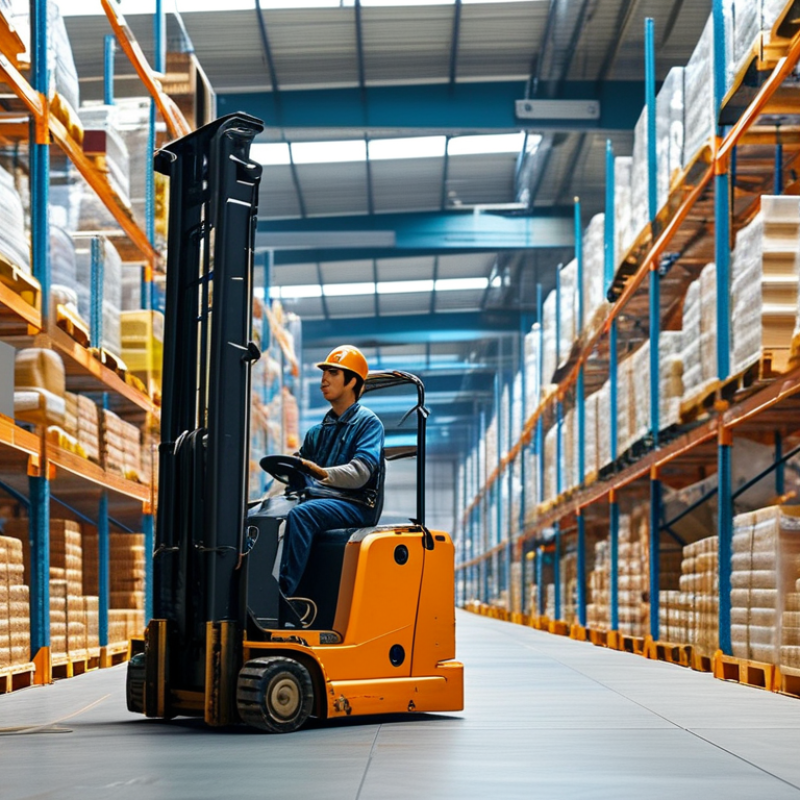
What Are the Benefits of Using Electric Stackers in Warehousing?
Electric Stackers have become essential tools in modern warehousing. They offer numerous advantages for efficient material handling. Understanding these benefits is crucial for warehouse operators seeking to enhance productivity.
Using an Electric Stacker can significantly reduce manual labor. This equipment minimizes the risk of injury related to heavy lifting. Operators can stack goods at heights that would be challenging otherwise. With the ability to maneuver in tight spaces, Electric Stackers excel in crowded warehouses.
However, some challenges exist. Proper training is necessary to ensure safe operation. Users must also consider maintenance and charging needs. Yet, the long-term advantages often outweigh these concerns. Investing in Electric Stackers can lead to a more organized and streamlined warehousing process.
Advantages of Electric Stackers over Manual Alternatives
Electric stackers offer significant advantages over manual alternatives in warehousing. One key benefit is enhanced efficiency. Electric stackers can lift and move heavy loads with ease, reducing the time workers spend transporting items. This boosts overall productivity on the warehouse floor. Unlike manual stackers, they require less physical exertion, which can reduce worker fatigue and injuries.
Another important aspect is accuracy. Electric stackers come with advanced features, such as precision controls and better visibility. This allows for more accurate stacking and retrieval of goods. In contrast, manual stackers can lead to misplacements, which affects inventory management. However, some operators may find it challenging to adapt to new technology, leading to potential errors during the transition phase.
Cost-effectiveness is also another consideration. While electric stackers may have a higher upfront cost, their operational savings in terms of labor and reduced damage to goods quickly balance this. Maintenance can be a point of reflection, as regular checks are essential to ensure reliability. Proper training is vital to maximize the benefits of electric stackers while minimizing common mistakes that can occur with new equipment.
Improved Efficiency in Material Handling Operations
Electric stackers are transforming warehousing operations by enhancing efficiency in material handling. According to recent industry reports, companies using electric stackers have increased their productivity by up to 30%. This improvement stems from their ability to lift and transport heavy loads with minimal human effort. Electric stackers can maneuver in tighter spaces, optimizing floor layouts and reducing congestion.
Tips for improving efficiency: Regular maintenance of equipment is essential. Ensure even minor issues are addressed promptly. Furthermore, training staff to use electric stackers effectively can significantly enhance operation speed. Clear operational guidelines can minimize errors, making processes smoother.
While electric stackers offer numerous benefits, there are challenges. Initial investments can be significant. Additionally, reliance on technology may result in reduced hands-on skills among workers. Monitoring the balance between automation and skill development is crucial for long-term sustainability in warehousing. Properly assessing warehouse needs will ensure that the right equipment is chosen.
Enhanced Safety Features of Electric Stackers
Electric stackers are increasingly popular in warehousing due to their enhanced safety features. These machines are designed with advanced safety mechanisms. Operators benefit from improved visibility, which reduces the risk of accidents. When stacking or retrieving pallets, a clear view is crucial. Electric stackers often include safety beacons that alert pedestrians of the equipment's movement.
Another notable feature is the built-in stability systems. These systems help prevent tipping when carrying heavy loads. Operators may feel more secure knowing that the equipment is engineered to maintain balance. Training remains essential, as poorly trained operators can negate these safety benefits. Regular maintenance checks are necessary, ensuring all features function correctly.
Ergonomics plays a role in safety as well. Many electric stackers are designed to reduce strain on the operator. Adjustable handles allow users to work comfortably, minimizing fatigue. However, it's vital to reflect on how fatigue can lead to errors. Continuous evaluation of operational practices can help enhance safety. Implementing regular refresher training sessions could be beneficial for all staff.
Cost-Effectiveness and Maintenance Considerations
Electric stackers are increasingly chosen for their ability to enhance cost-effectiveness in warehousing. Operating costs are lower compared to traditional forklifts. They use electricity instead of gas, reducing fuel expenses. Energy efficiency is a key feature. Electric stackers can often operate for longer periods without frequent charging, ensuring productivity.
Maintenance considerations play a significant role as well. Electric stackers generally require less maintenance over time. This reduces operational downtimes. Regular checks for battery health and electric components are necessary but simpler compared to managing fuel systems. Despite this, personnel must receive proper training. Without expert handling, simple issues can escalate.
Furthermore, the initial investment in electric stackers can seem daunting. However, their longevity and efficiency often result in savings that offset these costs. Yet, not all warehouses reap these benefits. Some outdated infrastructures may struggle to accommodate modern electric stackers effectively. Training and adaptation are vital for a smooth transition into electric operations.
Benefits of Using Electric Stackers in Warehousing
This bar chart illustrates the various benefits of using electric stackers in warehousing, rated on a scale of 1 to 10. Key benefits include cost savings, improved efficiency, enhanced safety, easier maintenance, and better space utilization.
Environmental Benefits of Using Electric Stackers in Warehousing
Electric stackers are becoming essential in modern warehousing, especially regarding their environmental benefits. Unlike their diesel counterparts, electric stackers contribute to reduced greenhouse gas emissions. A report from the International Energy Agency indicates that electric vehicles, including stackers, can lower CO2 emissions by up to 20-30% in logistics operations. This reduction is significant in an industry increasingly scrutinized for its carbon footprint.
Moreover, electric stackers operate quietly. This noise reduction enhances the working environment for employees. A study published in the Journal of Logistics found that lower noise levels can lead to improvements in focus and efficiency. Additionally, with less noise pollution, companies can optimize their warehouse operations without disturbing nearby areas.
However, challenges exist. Charging infrastructure must be developed to support a fleet of electric stackers. Facilities may require upgrades to accommodate charging stations, which can be costly. Also, battery disposal poses environmental concerns if not managed correctly. Continuous improvements in battery technology and recycling methods are necessary. Emphasizing these points can help businesses reflect on the broader impact of their operational choices.