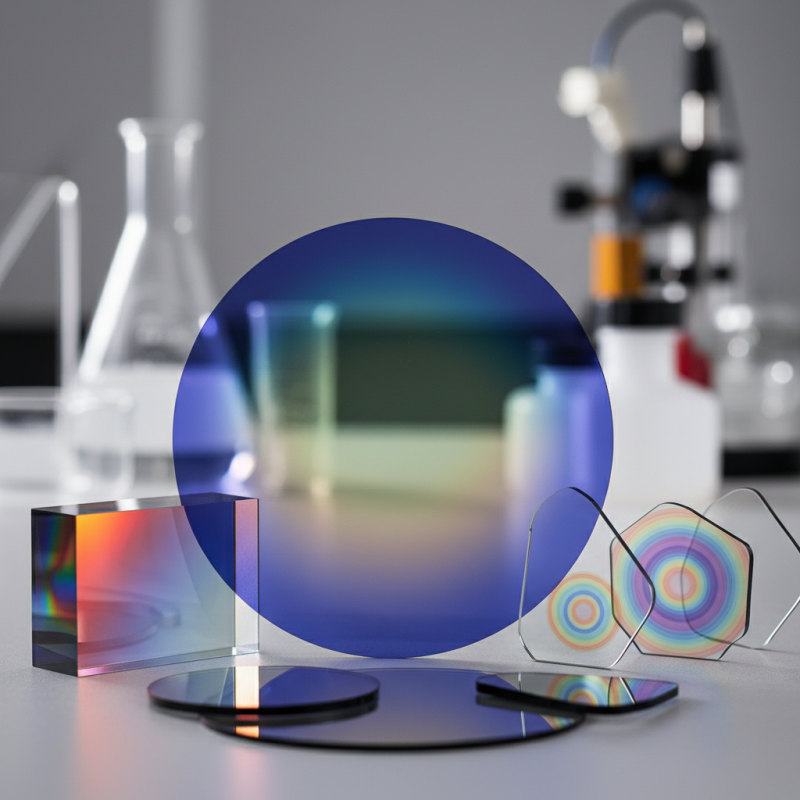
What Are the Best Optical Coating Materials for Your Needs?
Choosing the right Optical Coating Materials is crucial for various applications. Optical coatings enhance performance and durability. Different materials offer varying properties, affecting efficiency and effectiveness.
Multiple factors influence the selection process. These include environmental conditions, intended use, and desired optical performance. For instance, anti-reflective coatings are essential for reducing glare. However, they might not suit all situations.
Experimenting with coatings can lead to unexpected results. Sometimes, the best solution is not immediately clear. Understanding your specific requirements helps narrow down options. Ultimately, the right choice maximizes efficiency and meets performance standards.
Understanding Optical Coatings and Their Importance in Optics
Optical coatings play a crucial role in the performance of optical systems. They enhance light transmission and reduce unwanted reflections. The importance of these coatings cannot be overstated; they can increase the efficiency of lenses, prisms, and mirrors. According to the Optical Society, coatings can improve the transmission of optical glass by over 99%. This efficiency is vital for high-performance applications in photography, scientific instruments, and medical equipment.
Different coating materials serve unique purposes and environmental conditions. Common materials include anti-reflective coatings, which minimize glare; reflective coatings, which enhance reflectivity; and beam-splitter coatings, which divide light paths for complex optical setups. Each type must be selected based on specific requirements, such as wavelength and durability. For instance, magnesium fluoride (MgF2) coatings are widely used due to their excellent anti-reflective properties. However, they may not withstand harsh environments as well as other materials like titanium dioxide.
The choice of coating directly impacts the overall efficacy of optical devices. Yet, many overlook this aspect during design. For instance, an inadequately chosen coating can lead to significant light loss. This often goes unacknowledged until performance testing reveals disappointing results. Engineers must carefully assess coating specifications to align with application needs, ensuring both reliability and optimal performance. Choosing the right optical coatings is not just a technical decision; it's essential for achieving desired outcomes in any optical application.
Different Types of Optical Coating Materials and Their Applications
Optical coatings play a critical role in various applications, enhancing performance and functionality. Different materials are used based on specific needs. For instance, anti-reflective coatings reduce glare on lenses and improve transmittance. These coatings are often made from thin layers of silicon dioxide or magnesium fluoride. They are essential in eyewear and camera lenses.
Reflective coatings serve different purposes. Mirrors commonly use aluminum or silver due to their high reflectivity. These coatings are important in scientific instruments, where precise light manipulation is required. However, aluminum can oxidize, leading to reduced performance over time.
Some coatings provide enhanced durability. Hard coatings increase scratch resistance and extend the lifespan of optical components. Materials like titanium dioxide and silica are frequently used in these applications. Despite their benefits, these coatings may affect light transmission if not properly applied. It highlights the importance of selecting suitable materials for specific tasks, ensuring optimal performance for any optical system.
Factors to Consider When Choosing Optical Coating Materials
When choosing optical coating materials, several key factors must be considered. The specific application of the coating plays a crucial role. Different environments may require coatings that resist moisture or extreme temperatures. Understanding the optical properties needed, such as reflectivity or transmission, is essential to achieve desired results.
Another important factor is durability. Some materials are more resistant to scratches or chemical damage. However, these coatings may not always perform best in specific optical applications. An ideal balance between durability and performance must be reached. This requires careful material selection based on the application's requirements and potential risks.
Cost is another critical consideration. High-performance coatings can be more expensive but might offer better long-term benefits. It raises questions about budget constraints versus the quality of the optical performance. Exploring various material options and their trade-offs is vital in making informed decisions. Always evaluate your needs thoroughly before settling on a particular material.
Comparative Analysis of Common Optical Coating Materials
Choosing the right optical coating material is crucial in various applications, from lenses to laser systems. Each material offers unique advantages. For instance, anti-reflective coatings reduce glare and enhance transmission. These coatings are often made from thin layers of magnesium fluoride or silica. They are effective, but their durability can be a concern in harsh environments.
On the other hand, reflective coatings, often made from silver or aluminum, provide high reflectivity across a wide range of wavelengths. The choice of base material impacts performance. For example, while silver has excellent reflectivity, it is prone to tarnishing. This necessitates a protective layer, which could compromise the total reflectivity.
Understanding the refractive index and thickness of coatings is essential too. A mismatch can lead to undesirable interference effects. Moreover, the application environment plays a significant role in material selection. Coatings could deteriorate due to humidity, temperature, or UV exposure, thus affecting their performance. Hence, it’s beneficial to evaluate the long-term reliability of the chosen coating material.
Future Trends in Optical Coating Technologies and Innovations
The future of optical coating technologies is marked by rapid advancements and innovative materials. According to a recent report by Markets and Markets, the optical coatings market is projected to reach $18.9 billion by 2026, growing at a CAGR of 7.5%. This growth is driven by the increasing demand for anti-reflective coatings in the consumer electronics and automotive sectors.
Modern optical coatings utilize advanced materials like metal oxides and polymers. These materials improve durability and enhance optical performance. One emerging trend is the development of environmentally friendly coatings that reduce the ecological impact. Innovations in coating application techniques, such as atomic layer deposition, offer better control over thickness and uniformity, resulting in superior performance.
Tip: When selecting optical coatings, consider the specific environmental conditions they will face. UV exposure and temperature fluctuations can significantly affect longevity.
Despite these advancements, challenges remain. The need for coatings that balance cost-effectiveness with high performance is critical. Innovations often require substantial investment, and manufacturers must navigate technical hurdles. With ongoing research, the future promises more breakthroughs in both effectiveness and sustainability in optical coatings.
Tip: Always consult with experts to match optical coating solutions with your specific application needs.