No Job is Too Big or Too Small!

Best PVC Film for Packaging and Industrial Use?

When it comes to packaging and industrial use, the choice of materials is critical. PVC film stands out for its versatility and reliability. This plastic film offers durability and protection, making it a popular choice in various sectors. Companies rely on high-quality PVC film to ensure product safety during transit and storage.

The effectiveness of PVC film lies in its unique properties. It is resistant to moisture, chemicals, and punctures. Many businesses appreciate this film for its ability to cling tightly and maintain its form. However, not all PVC films are created equal. Some may lack the strength needed for heavy-duty applications.

Understanding the best PVC film options requires careful consideration. Factors like thickness, transparency, and specific application needs play a significant role. Businesses must reflect on their unique requirements before making a decision. This ensures they select the right PVC film to meet their operational demands. Ultimately, the right choice can enhance productivity and safeguard products effectively.
Best PVC Film for Packaging and Industrial Use?

Types of PVC Film Used in Packaging and Industrial Applications
Best PVC Film for Packaging and Industrial Use?

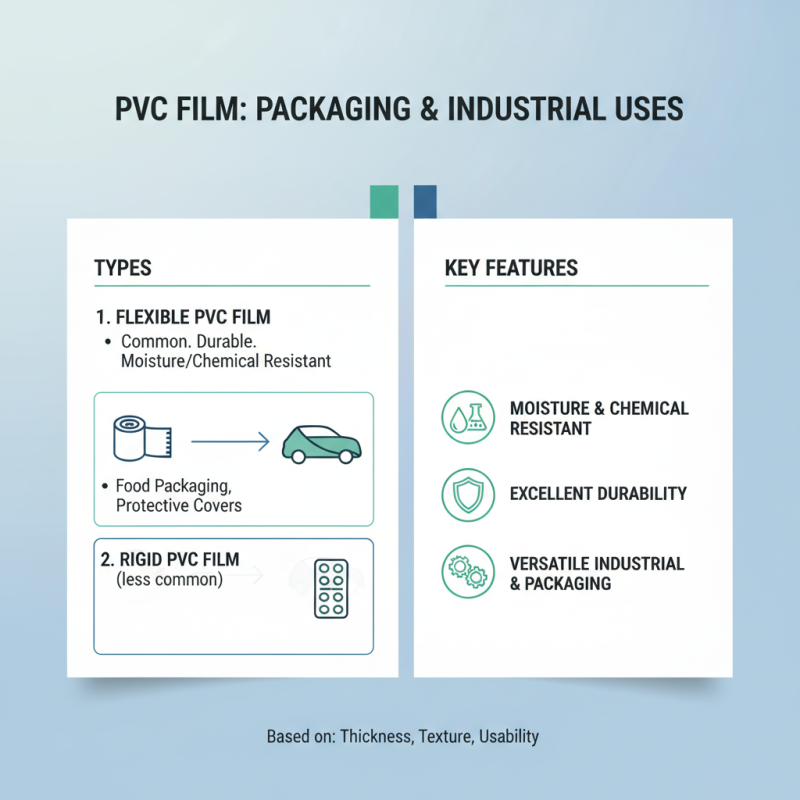
PVC film is a versatile material used extensively in packaging and industrial applications. Various types of PVC films cater to specific needs based on thickness, texture, and usability. Flexible PVC films are the most common. They offer excellent durability and are resistant to moisture and chemicals. These features make them ideal for food packaging and protective covers.

Another type is rigid PVC film, primarily used for creating sturdy containers and blister packs. According to the Plastics Industry Association, the demand for rigid PVC films in the packaging sector has increased by over 15% in recent years. This growth highlights their importance in industries like pharmaceuticals and electronics. The films can be easily thermoformed or laminated for advanced applications.

On the other hand, some professionals argue that while PVC films are effective, they raise sustainability concerns. Many PVC products are difficult to recycle. This leads to challenges in waste management and environmental impact. Continuous innovation in biodegradable alternatives is underway, but the PVC sector still dominates. Improving recycling techniques remains a crucial area for research and development.
Key Properties of PVC Film for Optimal Performance

When choosing PVC film for packaging and industrial applications, certain key properties can greatly influence performance. PVC film offers excellent clarity and gloss, crucial for product visibility and aesthetic appeal. According to a recent industry report, PVC films have a tensile strength of 4,000 to 5,000 psi, making them robust enough for various applications. Their chemical resistance ensures that packaged products remain unaffected by external agents.

Flexibility is another vital feature of PVC film. This characteristic allows it to conform to various shapes and sizes. The ability to stretch without breaking can significantly reduce waste during packaging processes. However, excessive flexibility may compromise the film's barrier properties. Therefore, it is essential to find a balanced formulation that meets specific needs without sacrificing durability.

**Tip:** Consider the specific application when selecting PVC film thickness. A thicker film may protect better but is harder to handle.

Thermal stability is another critical aspect. PVC film remains stable across a wide temperature range, making it ideal for both hot and cold product packaging. However, monitoring thermal performance during storage and transport is crucial. In some cases, inadequate handling can lead to deformation and loss of integrity.

**Tip:** Test PVC films in real-world conditions before full-scale implementation. This helps identify potential weaknesses early on.

Key Properties of PVC Film for Optimal Performance

Comparative Analysis: PVC Film vs. Other Packaging Films

Best PVC Film for Packaging and Industrial Use?

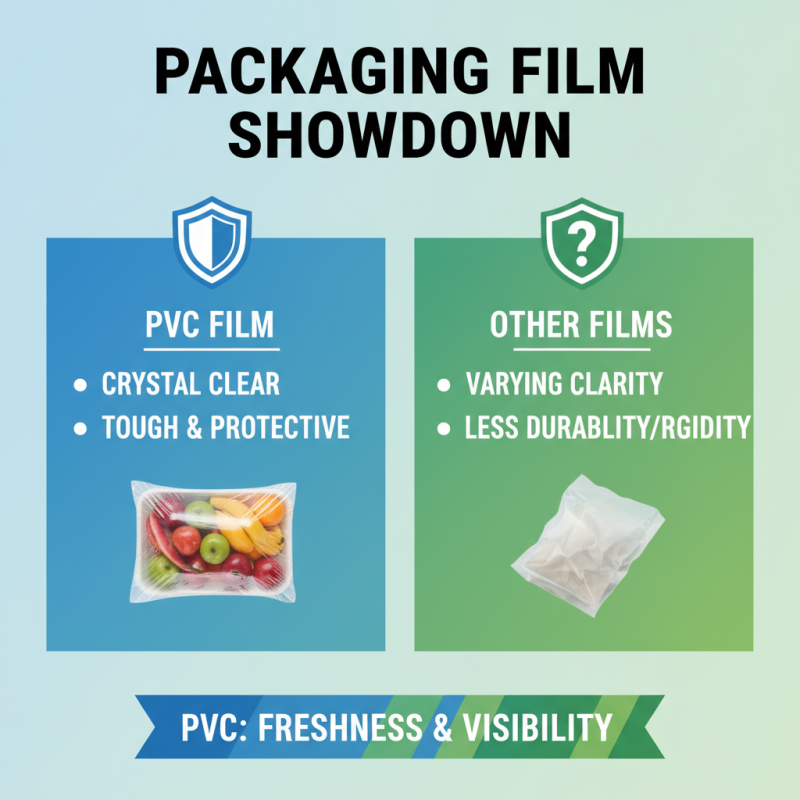
When comparing PVC film to other packaging films, several key factors arise. PVC film stands out for its clarity and durability. It protects products while allowing visibility. In food packaging, this quality is essential. It keeps items fresh and appealing.

However, not all applications favor PVC. Alternatives like polypropylene and polyethylene offer flexibility. Polypropylene is lighter and has higher resistance to heat. This makes it ideal for certain industrial uses. In contrast, polyethylene is often preferred for its excellent moisture barrier properties.

While PVC film has strong benefits, its environmental impact raises concerns. Recycling and disposal issues challenge its long-term usability. Industries must weigh performance against sustainability. As the market evolves, materials need constant evaluation. The best choice depends on specific requirements and environmental considerations.

Best Practices for Storing and Handling PVC Film

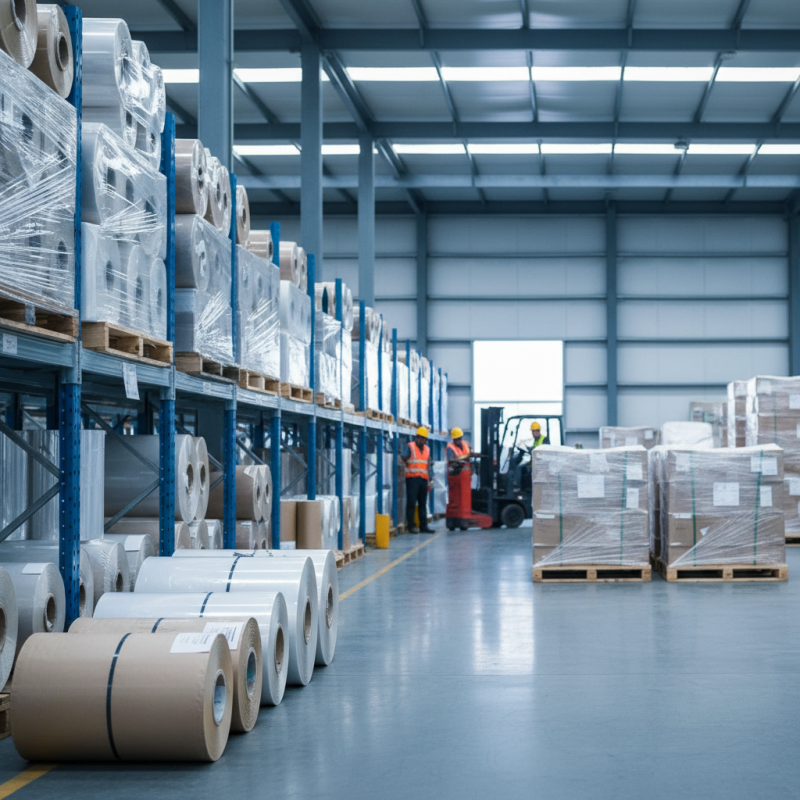
When it comes to storing and handling PVC film, proper practices are essential to maintain its quality and functionality. PVC film should be stored in a cool, dry environment. High temperatures and humidity can cause the film to warp or deteriorate. Avoid exposing it to direct sunlight, as UV rays can degrade the material over time.

Tips: Always keep film rolls upright. This prevents bending, which can compromise their integrity. Check the stored films periodically for any signs of damage or degradation. It’s better to address an issue early than deal with larger problems later.

Handling PVC film requires care to avoid physical damage. Ensure that hands are clean and dry to prevent transferring oils or moisture. When cutting the film, use a sharp blade to achieve clean edges. Dull blades can create frayed ends that may complicate applications. Reflect on any handling practices that may lead to waste, as inefficiencies can lead to increased costs over time.

Tips: Train employees in proper handling techniques. Regular workshops can reinforce best practices. Consider maintaining a checklist to ensure all steps are followed each time the film is used. This small effort can lead to longer-lasting materials and improved operational efficiency.

Environmental Considerations of PVC Film Usage in Industries

In recent years, the use of PVC film in various industries has sparked significant discussions regarding its environmental impact. PVC, or polyvinyl chloride, is widely favored for its durability and versatility. However, the production and disposal of PVC film raise critical concerns. The manufacturing process often requires toxic chemicals, leading to air and water pollution. Responsible sourcing of materials is essential to mitigate these effects.

Moreover, the recyclability of PVC film remains a contentious topic. While some facilities can recycle PVC, most of it ends up in landfills. Industries must actively seek innovative solutions to improve the lifecycle of PVC products. This ongoing challenge highlights the balance between the benefits of PVC, such as product protection and cost-effectiveness, and its environmental consequences. Developing biodegradable or alternative materials could help reduce the ecological footprint associated with PVC film usage.

It's crucial for industries to assess their reliance on PVC and explore alternatives. Educating stakeholders about sustainable practices can drive change. A comprehensive approach involves collaboration across sectors to enhance recycling technologies and develop new materials that are both effective and environmentally friendly. The journey toward sustainability is complex and requires ongoing reflection and responsibility from all involved.

Best PVC Film for Packaging and Industrial Use? - Environmental Considerations of PVC Film Usage in Industries

Type of PVC Film Applications Thickness (Microns) Recyclability Environmental Impact
Rigid PVC Film Packaging, Signage 100 - 500 Yes Moderate
Flexible PVC Film Food Packaging, Shrink Wraps 50 - 200 Yes High
Coated PVC Film Industrial Applications, Protection Films 100 - 400 Limited Moderate
Vinyl PVC Film Graphic Films, Labels 50 - 300 Yes Low