
No Job is Too Big or Too Small!

What Are China Top Sewer Cleaning Machine Suppliers?

Choosing reliable Sewer Cleaning Machine suppliers in China requires more than comparing catalogue prices. Municipal contractors, drain service companies, and industrial maintenance teams need equipment that performs under pressure, mud, grease, and changing pipe conditions. A capable supplier should offer clear technical specifications, practical machine demonstrations, and responsive after-sales support.

This guide examines how to identify China’s leading suppliers without relying on unsupported rankings. Important factors include manufacturing experience, pump pressure, water flow, hose length, tank capacity, jetting performance, and vehicle compatibility. Factory audits can reveal details that brochures often omit, such as welding quality, component sourcing, testing procedures, and spare-parts availability. Customer feedback also matters, especially when it describes long-term field performance rather than a single successful delivery.

No supplier is perfect. Some companies provide strong customization but weaker documentation. Others offer attractive prices yet limited service coverage. That difference can affect downtime, training, and repair costs after installation. Buyers should request test videos, inspection records, warranty terms, and references from comparable projects. Regional standards and import requirements must also be checked before purchase. A thoughtful comparison helps separate experienced manufacturers from trading companies with limited technical control. The final choice should match the cleaning workload, pipe diameter, operating environment, and maintenance capability. Performance matters most.
What Are China Top Sewer Cleaning Machine Suppliers?

What Is a Sewer Cleaning Machine and How Does It Work?

A sewer cleaning machine removes blockages, sediment, grease, and roots from underground pipelines. It usually combines a water tank, high-pressure pump, hose reel, and specialized nozzle. Some units also include a vacuum system for collecting loosened waste and liquid.

The pump sends water through a flexible hose at controlled pressure. A forward-facing nozzle breaks through hardened deposits. Rear-facing jets push the hose forward and pull debris toward the access point. Rotating nozzles scrub pipe walls more evenly. Operators adjust pressure, flow, and nozzle type according to pipe material and blockage depth.

It is not magic. Incorrect pressure can damage old or fragile pipes. A trained operator checks pipe size, access conditions, and visible defects before cleaning. Camera inspection can reveal cracks, displaced joints, or remaining deposits after the operation. This evidence supports more reliable maintenance decisions.

In practical work, water temperature matters. Warm water can soften grease, while cold water may require repeated passes. The hose should advance steadily, without violent pulling. Small mistakes can waste water and time. They can also hide a deeper structural problem.

Reliable equipment should have clear pressure controls, durable hose materials, emergency shutoff features, and accessible maintenance points. Suppliers with technical documentation, operator training, and service records are easier to evaluate. However, specifications alone are not enough. Actual cleaning results depend on machine design, site conditions, and operator experience.

Which Types of Sewer Cleaning Machines Are Made in China?

China’s sewer cleaning machine manufacturers produce several practical types for municipal, industrial, and commercial drainage work. High-pressure sewer jetting machines use water pumps and rotating nozzles to remove grease, sand, and hardened deposits. Vacuum suction trucks collect sludge and wastewater into sealed tanks. Combination machines perform both tasks, which helps crews reduce equipment changes on busy streets.

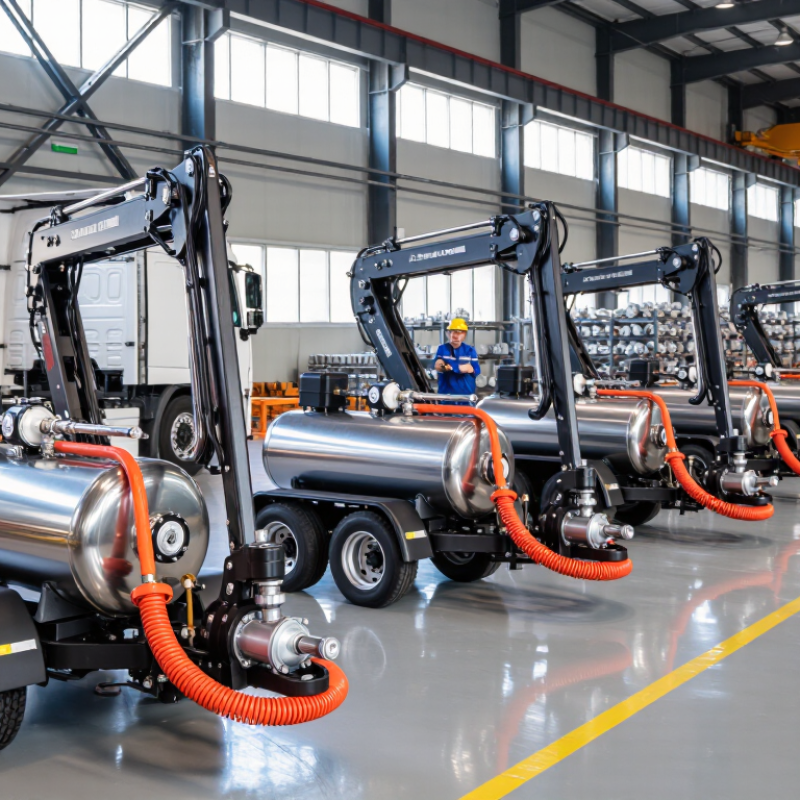
Smaller trailer-mounted and skid-mounted units suit narrow roads, workshops, and building maintenance. Compact electric drain cleaners are useful for indoor pipelines, although their cleaning range is limited. Some suppliers also make robotic inspection systems with cameras, lights, and recording functions. These systems cannot remove every blockage, but they reveal cracks, root intrusion, and pipe deformation before repairs begin. In field testing, pump pressure, hose durability, tank strength, and nozzle performance matter more than appearance. A machine may look impressive and still struggle with thick sediment. That is an easy mistake to make.

Tips: Match pressure and flow with pipe diameter. Check local water access and disposal rules. Request factory test records, spare-part details, and operator training. Ask for performance data under realistic conditions, not only laboratory figures. A trial on similar pipe material is worth the extra time.

Who Are the Leading Chinese Sewer Cleaning Machine Suppliers?

China has become a major source of sewer cleaning equipment for municipal and industrial projects. Leading Chinese sewer cleaning machine suppliers are judged by engineering capability, not catalog size. They commonly produce high-pressure jetting units, vacuum trucks, and compact drain cleaners. Each model serves different pipe diameters, blockage types, and access conditions. Experienced suppliers can explain pump pressure, water flow, hose length, and tank capacity clearly. Ask for operating data.

A dependable supplier should provide factory videos, equipment drawings, test records, and detailed maintenance schedules. Buyers should inspect welding quality, hose connections, control panels, and corrosion protection. A practical discussion should cover cold-weather operation, spare parts, delivery time, and operator training. Request a live demonstration with simulated grease, sand, and root blockage. Photos help, but direct testing reveals more. That matters.

Supplier credibility also depends on transparent communication. Reliable manufacturers identify suitable limits instead of promising unrealistic performance. Some factories may offer strong machinery but weak manuals or slow technical support. This is where careful review becomes necessary. Ask whether replacement valves, nozzles, seals, and hoses remain available after delivery. Check whether inspection documents match the actual machine. Small omissions can create expensive downtime. A capable Chinese supplier accepts technical questions, records changes, and adjusts the configuration to the working environment. Mistakes still happen, especially when site details are incomplete. Experienced buyers should review those details twice.

What Are China Top Sewer Cleaning Machine Suppliers? - Who Are the Leading Chinese Sewer Cleaning Machine Suppliers?

Supplier Comparison Table: Company identities and brand information are intentionally omitted. The specifications below represent commonly available Chinese sewer cleaning machine configurations and supplier qualification criteria.
Supplier Profile Main Product Focus Typical Operating Data Suitable Applications Key Qualification Evidence Recommended Verification Points
Profile A
Truck-mounted jetting supplier
High-pressure sewer jetting trucks Approx. 10–25 MPa working pressure; approximately 80–300 L/min water flow; commonly available with 3–15 m³ water tanks Municipal sewer flushing, storm-drain maintenance, industrial pipeline cleaning Pump performance data, pressure-flow test records, chassis documentation, factory inspection capability Confirm continuous-duty pressure, nozzle compatibility, water-tank material, pump warranty, and spare-parts availability
Profile B
Combined jetting and vacuum supplier
Combination sewer cleaning and vacuum trucks Separate high-pressure water and vacuum systems; tank layouts commonly divided between clean water and sludge collection compartments Silt removal, blockage clearance, septic-tank servicing, wastewater-plant maintenance Vacuum-pump data, tank capacity drawings, hydraulic-system diagrams, documented load testing Check vacuum level, suction rate, tipping or discharge method, corrosion protection, and legal road-load compliance
Profile C
Small-capacity urban maintenance supplier
Compact sewer jetting vehicles Usually built on light commercial vehicle platforms; lower tank capacity and compact hose-reel systems for narrow streets Residential drainage, parking areas, small commercial sites, urban service routes Vehicle integration drawings, turning-radius data, hose-reel test results, service documentation Verify payload after conversion, axle-load distribution, generator or PTO requirements, and local registration compatibility
Profile D
Industrial pipeline cleaning supplier
Heavy-duty jetting systems and customized cleaning units Higher-flow configurations, reinforced hose reels, specialized nozzles, and optional heating or filtration systems Refineries, factories, process drains, large-diameter pipelines, and difficult deposits Engineering drawings, material certificates, pump curves, risk assessments, and documented customization experience Confirm compatibility with chemicals, operating temperature, hose pressure rating, emergency shutdowns, and operator training
Profile E
Export-oriented OEM supplier
Configurable sewer cleaning vehicles for overseas markets Multiple chassis, tank, pump, control, language, and electrical configuration options International municipal contracts, distributors, rental fleets, and project-based procurement Export references, technical files, packing procedures, conformity documents, and after-sales communication capability Validate destination-country vehicle rules, electrical requirements, documentation language, parts lead time, and remote support
Profile F
Trailer and skid-mounted equipment supplier
Trailer-mounted and stationary sewer cleaning systems Independent power units, detachable water tanks, hose reels, and modular pump assemblies Construction sites, industrial facilities, remote locations, and fixed wastewater operations Frame calculations, braking or towing data, engine specifications, hydraulic schematics, and operation manuals Check towing regulations, total mass, stability, noise emissions, power-source reliability, and site-access limitations
Buyer Selection Checklist: Compare verified pressure-flow performance, tank capacity, chassis payload, pump and hose quality, customization capability, conformity documentation, warranty coverage, spare-parts support, factory inspection access, and total delivered cost before selecting a supplier.

How Can Buyers Compare Chinese Sewer Cleaning Machine Manufacturers?

Buyers should compare Chinese sewer cleaning machine manufacturers by verified performance, not catalog photos. Key checks include water flow, jetting pressure, hose length, suction capacity, fuel use, and recovery time. The UN-Water World Water Development Report 2024 notes that only about 56% of domestic wastewater is safely treated worldwide. Reliable cleaning equipment therefore supports urgent infrastructure work.

Ask each manufacturer for third-party test records, factory acceptance results, and service data from similar projects. ISO 9001 certification can indicate controlled processes, but it does not prove machine quality. Compare pump suppliers, steel grades, nozzle design, safety controls, spare-part availability, and technician response times. A lower price may hide weaker hoses or expensive downtime. This is often missed.

Tips: Request a live demonstration using debris, grease, and sediment. Measure pressure at the nozzle, not only at the pump. Check noise, vibration, startup time, and cleaning distance. Review at least three years of failure and warranty records. The Global Infrastructure Hub estimates major infrastructure needs will reach trillions of dollars annually by 2040, increasing pressure on buyers to choose durable equipment. Still, reports cannot replace field inspection. A polished test can mislead. Require raw data, sample parts, and a clear acceptance checklist before ordering.

How Buyers Can Compare Chinese Sewer Cleaning Machine Manufacturers

This buyer comparison framework uses suggested evaluation weights rather than company rankings. Technical performance, vehicle integration, after-sales support, compliance documentation, customization capability, and total operating cost should be reviewed against each supplier’s verified product specifications, test reports, warranty terms, and service network.

What Should Buyers Check Before Choosing a Supplier?

What Are China Top Sewer Cleaning Machine Suppliers?

What Should Buyers Check Before Choosing a Supplier?

A reliable supplier should explain machine performance in practical terms. Ask for water pressure, flow rate, hose length, tank capacity, and maximum pipe diameter. Request test videos with visible pipe conditions, not only polished factory demonstrations. Ask for evidence.

Check the supplier’s manufacturing experience, quality procedures, and technical documents. Relevant certifications should match the machine and the destination market. Confirm whether each unit receives pressure, electrical, and leak testing before shipment. A factory audit can reveal assembly quality, spare-parts storage, and worker training. Details matter. Some suppliers describe powerful pumps but provide unclear working data. That gap deserves attention.

Evaluate after-sales support before discussing the final price. Confirm warranty coverage, response times, troubleshooting methods, and spare-parts availability. Ask whether manuals include wiring diagrams, maintenance intervals, and safety instructions. Contact recent customers with similar sewer conditions and machine sizes. Their feedback may be more useful than online ratings. Inspect the frame, hose reel, fittings, and control panel closely; small weaknesses can create expensive downtime. A low purchase price may hide transport, installation, or repair costs. Buyers should compare the complete operating cost over several years. No supplier is perfect. Even a capable manufacturer may communicate poorly or miss a promised detail, so record every specification in the sales contract.