How to Choose a Van Truck for Your Business in 2026?
Choosing a Van Truck in 2026 requires more than comparing purchase prices. It means matching payload, route length, cargo shape, driver comfort, and operating risk. A bakery delivery route needs different equipment from a regional construction service. The details matter.
Industry data shows why this decision is becoming more urgent. The European Automobile Manufacturers’ Association (ACEA) reported that European vans averaged about 12.5 years old in its Vehicles on European Roads report. Older vehicles often bring higher repair exposure, weaker fuel efficiency, and less predictable downtime. Meanwhile, the International Energy Agency’s Global EV Outlook 2024 identified strong growth in electric commercial vehicles across major markets, although adoption remains uneven. Charging access still decides whether an electric Van Truck performs well or becomes an expensive scheduling problem.
This guide focuses on practical fleet judgment. It examines diesel, battery-electric, and alternative powertrains without assuming one answer fits every company. A 150-mile urban route with overnight depot charging is not comparable to a 400-mile rural route. Payload also deserves careful measurement. A vehicle that looks spacious may reach its legal weight limit before the cargo area is full. That mistake is common.
The right choice should include total cost of ownership, service coverage, warranty terms, insurance, energy prices, resale expectations, and workplace charging. The U.S. Department of Energy continues to emphasize duty cycle, vehicle weight, and infrastructure when evaluating commercial electrification. Numbers help, but they do not reveal every muddy loading bay or winter morning delay. Some forecasts may prove too optimistic. That is worth admitting. A reliable Van Truck is not merely efficient on paper; it must earn revenue consistently in real working conditions.
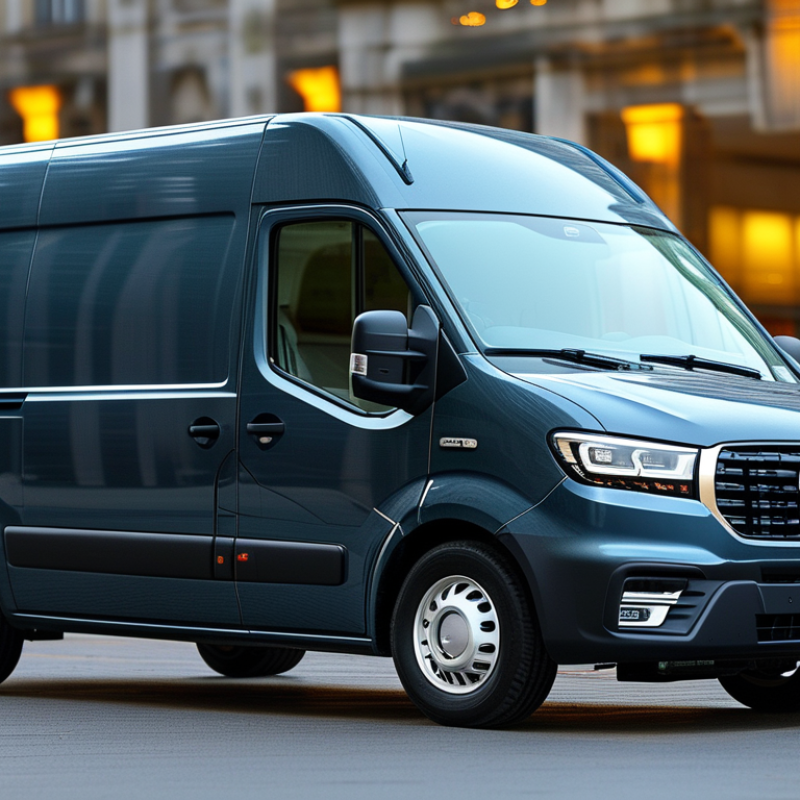
Defining Your Business Needs and Van Truck Applications
Choosing a van truck in 2026 starts with defining the work, not admiring the vehicle.
Map each delivery route, load type, stop frequency, and parking condition. Measure the route.
A bakery serving dense urban streets needs compact dimensions, easy access, and washable cargo surfaces. A construction crew may need greater payload, reinforced flooring, and secure tool storage. For temperature-sensitive goods, calculate the refrigeration system’s power demand and usable cargo volume separately.
Space matters. The International Energy Agency reported that global electric van sales grew by nearly 60% in 2023, reaching almost 370,000 units. This supports electric applications with predictable routes and overnight charging. It does not automatically suit every operation.
Payload calculations should include workers, shelving, batteries, fuel, and daily equipment. Ignoring these details can create unsafe overloading and faster maintenance costs. The European Automobile Manufacturers’ Association reported that vans on European roads averaged about 12.5 years old in 2022. That figure suggests many businesses replace vehicles late, often overlooking lifecycle efficiency. Yet choosing purely by purchase price can repeat the same mistake.
Compare energy, tires, downtime, insurance, charging access, and resale assumptions over five years. Test the vehicle with real cartons, ramps, and protective gear before ordering.
A spreadsheet helps, but it may still miss awkward loading angles or winter range loss. Review the decision with drivers and technicians; their practical objections are often more valuable than a polished brochure.
Comparing Van Truck Sizes, Body Types, and Payload Capacities
How to Choose a Van Truck for Your Business in 2026?
Size should follow the route, not ambition. NHTSA classifies light trucks by gross vehicle weight rating: Class 1 reaches 6,000 pounds, Class 2 covers 6,001–10,000 pounds, and Class 3 extends to 14,000 pounds. Payload is not the same number. Calculate it as GVWR minus curb weight, then subtract passengers, tools, shelving, and fuel. A compact van may suit parcels and service calls, while a full-size van offers more volume. A cutaway body supports box, refrigerated, or specialist conversions. A dropside body handles bulky materials, but exposes cargo to weather and theft risks.
A useful working range is 500–1,000 kilograms for compact models, 1,000–1,500 kilograms for larger vans, and above 1,500 kilograms for heavier configurations. These figures are only planning references. Wheelbase, axle limits, body construction, and local specifications can change the result. The International Energy Agency’s Global EV Outlook 2024 reported electric light-commercial-vehicle sales growing by about 60% in 2023. That growth makes operating cost worth testing, but charging time and payload loss deserve equal attention.
Tips: Weigh a typical load for five working days. Measure the tallest cargo. Leave 10% payload capacity unused. A tidy spreadsheet can still mislead. Real routes are messier than forecasts. Choose a body that protects the load, permits safe access, and does not force unnecessary daily mileage. Sources: NHTSA Vehicle Classification, IEA Global EV Outlook 2024.
Evaluating Fuel Systems, Electric Options, and Operating Range
Choosing a van truck in 2026 starts with the route, not the showroom. Record payload, daily distance, idle time, hills, and overnight parking for four weeks. Diesel suits long, heavy routes with limited charging, but fuel prices and maintenance costs can vary sharply. Gasoline may cost less initially, yet stop-start work can increase consumption. A hybrid system deserves testing on urban routes, not assumptions from highway figures.
The International Energy Agency’s Global EV Outlook 2024 reports that electric light-commercial-vehicle sales grew by more than 50% in 2023. That growth matters, but sales data does not guarantee local service capacity. Electric vans offer quiet operation and potentially lower energy costs per mile. Their practical range depends on payload, temperature, speed, and cabin heating. I would reserve at least 20% of the stated range for winter traffic and unexpected detours. It sounds cautious. Maybe too cautious.
Charging access needs equal attention. The IEA counted over four million public charging points worldwide at the end of 2023, but distribution remains uneven. Measure charger availability near depots, customer sites, and rest locations. Compare energy consumption using your own route data, not brochure estimates. Include battery replacement risk, electrical upgrades, downtime, and financing. Treating quoted range as route range is careless. A failed charging plan can strand a vehicle before lunch. One imperfect spreadsheet cannot capture every winter morning, heavy load, or delayed delivery.
Assessing Safety Features, Driver Comfort, and Vehicle Technology
How to Choose a Van Truck for Your Business in 2026?
Choosing a van truck in 2026 requires more than checking cargo space and fuel costs. In daily fleet work, safety and driver comfort directly affect reliability.
Look for automatic emergency braking, blind-spot monitoring, lane-departure warnings, and a strong reversing camera. These systems should support the driver, not replace attention. Verify independent safety test results and confirm the vehicle meets current regional requirements. A short road test reveals more than a sales brochure.
Tips: Sit in the driver’s seat for twenty minutes. Check shoulder room, mirror visibility, seat adjustment, and step height. Test the steering after loading realistic equipment.
Listen for rattles. They may signal poor cabin quality. Ask drivers for feedback, even when their opinions conflict. That disagreement can expose overlooked problems.
Vehicle technology should simplify work.
A clear dashboard, reliable navigation, remote diagnostics, and useful parking sensors can reduce delays. Confirm that controls are easy to operate while parked, not only impressive during a demonstration. Check mobile connectivity in areas where your team normally works.
Some advanced features may become expensive distractions if technicians cannot use them confidently. I have seen drivers ignore complicated alerts, which is a practical warning.
Technology should feel calm, predictable, and easy to maintain. No checklist is perfect. Allow room for real-world testing.
Calculating Purchase Costs, Maintenance Needs, and Long-Term Value
How to Choose a Van Truck for Your Business in 2026?
Purchase price is only the first line on your budget. Calculate the down payment, financing interest, registration, insurance, and expected tax costs. Then estimate fuel use from your real delivery routes, not the seller’s best-case figure. A van carrying tools through crowded streets may consume more fuel than its test rating suggests. Add shelving, cooling equipment, loading ramps, and safety accessories. These details can quietly add thousands to the final cost.
Tips: Compare at least three ownership scenarios. Record monthly payments, fuel, tires, servicing, parking, and expected downtime. Ask a qualified mechanic to inspect the brakes, suspension, engine leaks, and underbody corrosion. A clean service history matters more than shiny paint. Keep the worksheet simple, but leave room for mistakes.
Maintenance needs depend on payload, road quality, mileage, and driving habits. Check the service schedule before signing anything. Frequent short trips can be harder on some mechanical systems than steady highway work. Budget for tires and brake repairs before they become emergencies. My first cost estimate once ignored lost delivery hours, which made the “cheaper” vehicle look better than it was. That was a useful warning. Long-term value comes from reliable work, useful payload, manageable repairs, and strong resale demand. An oversized vehicle may waste fuel, while an undersized one may suffer constant overloading. The best choice fits tomorrow’s workload without making today’s cash flow uncomfortable.
How to Choose a Van Truck for Your Business in 2026? - Calculating Purchase Costs, Maintenance Needs, and Long-Term Value
