
No Job is Too Big or Too Small!

How to Choose the Right Sludge Dewatering Equipment?

When selecting the right Sludge Dewatering Equipment, several factors come into play. Each industry has unique needs and challenges that impact equipment choice. Understanding these demands is crucial for success.

Effective dewatering can significantly reduce disposal costs. It can also enhance the overall efficiency of wastewater treatment processes. However, the market offers various technologies and options. This diversity may create confusion, leading to potential misjudgments.

Experience shows that inadequate research can result in poor equipment choices. It's essential to consider factors like sludge characteristics and throughput requirements. Additionally, maintenance and operational costs should not be overlooked. Making an informed decision guarantees optimal performance and reliability.
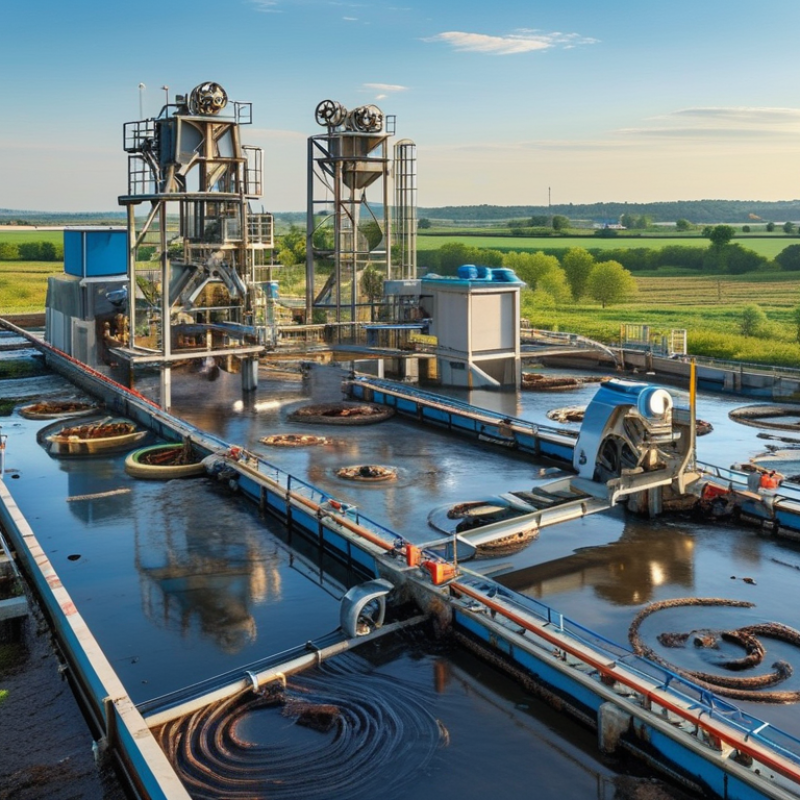
How to Choose the Right Sludge Dewatering Equipment?

Factors to Consider When Selecting Sludge Dewatering Equipment

Selecting the right sludge dewatering equipment involves multiple factors. Understanding your specific needs is vital. Different applications may require distinct designs and technologies. For example, belt filter presses work well for large volumes, while screw presses are efficient for smaller operations.

Consider the specific characteristics of your sludge. Its composition significantly influences the dewatering method. A report from the Water Environment Federation reveals that primary sludge often has higher water content compared to waste-activated sludge. This difference impacts the choice of equipment.

Energy efficiency is also essential. According to a study by the American Society of Civil Engineers, energy consumption in sludge dewatering can account for up to 40% of total operating costs. Evaluate the energy usage of each option to ensure sustainability. Analyze the maintenance requirements as well. Some technologies need frequent servicing, which can be an ongoing cost. Balancing these factors is crucial for making an informed decision.

Types of Sludge Dewatering Technologies Available on the Market

When selecting sludge dewatering equipment, understanding the available technologies is crucial. Mechanically dewatering sludge typically involves gravity thickening, centrifugation, and filter presses. Gravity thickening implements a straightforward method. It allows water to naturally separate from solids, but it can be time-consuming. Centrifuges are more efficient, rapidly spinning to remove moisture. They require proper maintenance to avoid performance issues.

Another notable technique is the use of belt filter presses. These machines continuously process sludge and offer a compact solution. The drying process can be inconsistent, which may require further evaluation. Dewatering technologies also include membrane filtration. This method uses pressure to force water through membranes, achieving high solid concentrations. However, the cost and complexity of these systems are notable drawbacks.

Evaluating these options involves understanding specific needs, such as volume and desired dryness levels. Each technology has its benefits and challenges. Choosing the right one isn't always straightforward. Experimentation and adjustments may be necessary to optimize performance. Making informed decisions relies on analyzing the results and feedback from operations.

Evaluating the Efficiency and Performance of Dewatering Equipment

Choosing the right sludge dewatering equipment involves evaluating its efficiency and performance. Many factors influence these metrics. You need to consider the type of sludge, the desired moisture content, and the capacity of the equipment. Every situation is unique. What works for one facility may not for another.

Efficiency is critical. It’s essential to assess how well the equipment separates water from solids. Look for equipment that is easy to operate. Complicated machinery can lead to operational issues. Daily monitoring is necessary to maintain optimal performance. Regular checks help identify any inefficiencies before they become significant problems.

Tips: Invest time in training your staff on the equipment. Knowledgeable operators can make better decisions. Track performance data routinely to spot trends. Sometimes, minor adjustments can lead to major improvements. Don’t ignore the value of maintenance. Neglecting routine upkeep can decrease performance over time. Remember, evaluating efficiency often requires trial and error. Stay patient through the process.

Cost Analysis: Budgeting for Sludge Dewatering Solutions

When considering sludge dewatering equipment, budgeting is crucial. A detailed cost analysis can prevent overspending. On average, dewatering systems can range from $50,000 to $500,000. Several factors influence the final cost, such as technology type, capacity, and operational efficiency. Industry reports indicate that mechanical dewatering, while initially more costly, can save money on maintenance and energy in the long run.

Operational costs often comprise a major portion of your budget. For instance, energy consumption for centrifuges can reach about $0.10 to $0.20 per cubic meter of feed. However, belt presses or filter presses might cost less to run, at around $0.05 per m³. Understanding these variations is essential for accurate budgeting. Moreover, factors like labor costs, transportation, and chemical usage can add significantly to overall expenses. Therefore, careful analysis of all these elements is critical to make informed decisions.

Consider also the hidden costs of inefficient systems. Delays in processing can lead to increased disposal fees or fines. It's vital to reflect on historical performance data and strive for a system that meets both present and future demands. Balancing upfront investments with long-term operating expenses requires a strategic approach, avoiding pitfalls through thorough research and expert consultation.

Maintenance and Operational Requirements for Dewatering Systems

Maintaining sludge dewatering systems is crucial for efficient operation. Regular inspections help identify wear and tear on components. These systems encounter heavy loads, and issues can arise unexpectedly. Keeping a close eye on equipment performance can prevent costly downtimes and system failures.

Operational requirements are equally important. Operators should be trained to understand the equipment's functions and limits. Regularly monitoring key parameters, such as pressure and flow rates, ensures optimal operation. Having a maintenance schedule can help avoid surprises. Even minor adjustments can significantly enhance performance.

Sometimes, operators overlook the need for routine cleaning. Accumulated sludge can hinder performance and lead to mechanical problems. Investing time in this process pays off, improving overall efficiency. With consistent attention, the life span of dewatering equipment can be extended, ensuring reliable service for the long term.

How to Choose the Right Sludge Dewatering Equipment?