
No Job is Too Big or Too Small!
How to Choose the Best Hanging Tent Lamp?
Choosing the best Hanging Tent Lamp can transform a dark campsite into a comfortable outdoor room. It can illuminate cooking areas, reveal tent corners, and create a calmer evening atmosphere. However, brightness alone should not decide your purchase. A lamp with excessive glare may feel harsh inside a small shelter. A weak model may leave essential equipment hidden in shadow.
Begin by considering how you actually camp. Backpackers often need a lightweight lamp with a compact body, a secure hanging hook, and dependable battery life. Family campers may prefer wider light coverage, simple controls, and adjustable brightness. Check the stated lumens, charging method, water resistance, and operating time under realistic settings. Manufacturers sometimes advertise maximum runtime at the lowest brightness. That detail matters.
Safety deserves careful attention. Select a lamp designed for enclosed camping spaces and follow its ventilation and charging instructions. Avoid exposed flames inside tents. A cool-running LED model is usually a more practical choice. Inspect the hook and cord before each trip. A loose lamp can fall onto bedding, gear, or sleeping occupants.
Color temperature also changes the experience. Warm white light feels relaxing, while neutral white light supports reading and organizing equipment. Red-light modes can reduce glare during nighttime movement. I once underestimated how valuable dimming was during a quiet morning. The lamp looked excellent on paper, yet its lowest setting remained too bright.
Reliable reviews should mention real campsite conditions, not only product appearance. Compare independent tests when possible. Consider weather, storage, repairability, and battery replacement. The best Hanging Tent Lamp is not always the brightest or most expensive. It is the model that fits your shelter, habits, and safety priorities consistently.
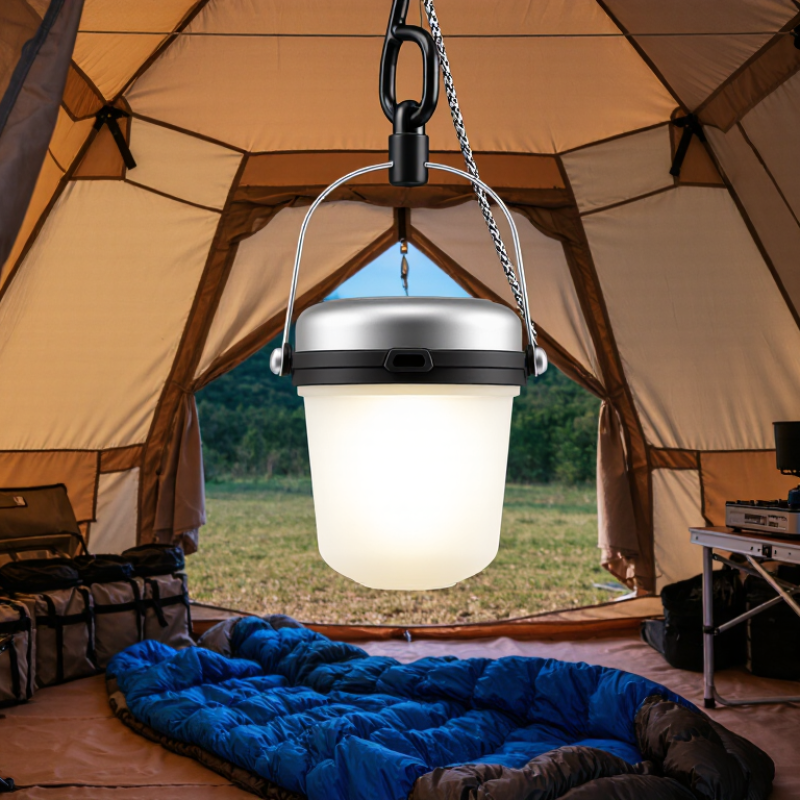
Define the Main Uses of a Hanging Tent Lamp
How to Choose the Best Hanging Tent Lamp?
Define the Main Uses of a Hanging Tent Lamp
A hanging tent lamp should match the activity, not merely look attractive. Its main use is practical visibility inside a limited space. For reading, choose steady, neutral light that does not strain your eyes. For changing clothes, wider illumination reduces dark corners. Start with the purpose.
A lamp used around a cooking area needs stronger output and stable hanging support. Keep it high enough to avoid head contact, but low enough to illuminate hands and utensils. For quiet evenings, softer light creates a calmer atmosphere. A dimming function helps when brightness becomes uncomfortable. Light placement matters.
In field use, battery runtime can matter more than maximum brightness. Check how long the lamp operates at its normal setting, not only its lowest setting. A rechargeable model can be convenient, while replaceable batteries may help during longer trips. Look for a secure hook, water resistance, and controls that work with cold fingers. Follow the operating instructions carefully, especially near fabric and moisture. I still find brightness ratings confusing because different manufacturers measure them differently. This is one reason I compare real operating time and beam coverage before choosing. A lighter lamp is easier to carry, but very small models may illuminate only one sleeping area. That trade-off deserves honest consideration.
| Main Use | Priority | Recommended Lamp Features | Why It Matters | What to Check Before Buying |
|---|---|---|---|---|
| General Interior Lighting | High | Diffused light, wide beam angle, adjustable brightness, and a warm or neutral color temperature. | A broad, evenly distributed light source improves visibility inside the tent without creating harsh glare or strong shadows. | Check: Light distribution, lumen output, diffuser design, and dimming options. |
| Reading or Map Use | High | Focused downward lighting, stable hanging support, and a color temperature around 3,000–4,000 K. | Task-focused lighting makes text and maps easier to see while reducing the need to illuminate the entire tent. | Check: Beam direction, switch accessibility, glare control, and brightness adjustment. |
| Cooking or Food Preparation | High | Bright, neutral-white illumination, secure suspension, heat-resistant construction, and easy-to-clean surfaces. | Clear lighting helps users identify ingredients, tools, and spills while a secure design reduces the risk of the lamp being knocked down. | Check: Stability, surface material, battery placement, and distance from heat or moisture. |
| Ambient or Mood Lighting | Medium | Low-intensity output, warm light around 2,700–3,000 K, multiple brightness levels, and a compact decorative profile. | Soft, warm illumination creates a comfortable atmosphere without producing unnecessary brightness inside a small tent. | Check: Lowest brightness setting, light color, operating noise, and control method. |
| Night-Time Navigation | High | Low-power mode, quick-access switch, optional red-light mode, and a design that remains securely attached during movement. | Low-level or red illumination can help users move around at night while reducing glare and preserving night vision more effectively than bright white light. | Check: Mode memory, switch location, red-light availability, and hanging stability. |
| Emergency or Backup Lighting | High | Long battery runtime, battery-level indicator, multiple power options, and impact-resistant housing. | A dependable backup lamp remains useful during power failures, unexpected delays, or situations where regular lighting is unavailable. | Check: Runtime at each brightness level, recharge time, battery type, and spare-power compatibility. |
| Wet-Weather or Humid Conditions | High | Water-resistant construction, sealed controls, protected charging port, and corrosion-resistant materials. | Tents can experience condensation and damp conditions, so moisture protection helps reduce the risk of electrical damage. | Check: The stated IP rating, charging-port cover, gasket condition, and manufacturer safety instructions. |
| Backpacking and Lightweight Travel | High | Low weight, compact storage size, efficient LED technology, integrated hanging hook, and USB-rechargeable power. | Every extra item affects pack weight and space, making portability and energy efficiency important for longer trips. | Check: Total weight, folded dimensions, charging compatibility, and runtime-to-weight ratio. |
| Family or Group Camping | Medium | High maximum brightness, wide-angle coverage, impact resistance, and simple controls that are easy to use. | Larger groups generally need more usable light and a durable design that can withstand frequent handling. | Check: Maximum brightness, coverage area, control simplicity, and suspension strength. |
| Tent Organization and Storage | Low | Small integrated hook, magnetic attachment option, directional light, and a compact body. | A lamp that can be placed near pockets, entrances, or storage areas makes small items easier to locate without taking up floor space. | Check: Attachment methods, magnetic strength, mounting flexibility, and cable management. |