In an evolving marketplace, sourcing poly plastic materials can be challenging. The global poly plastic industry is valued at over $600 billion, indicating substantial demand. Yet, navigating various suppliers requires expertise and strategic thinking. Industry expert Dr. Rebecca Stone emphasizes, “Understanding the nuances of poly plastic sourcing is critical for maintaining a competitive edge.”
Effective sourcing involves assessing quality and price. Not all suppliers offer the same standards, which can lead to inconsistencies. Recent reports indicate that 45% of manufacturers experienced delays due to unreliable raw material providers. This not only affects production timelines but can also impact customer satisfaction.
Environmental considerations are essential. Many companies are now prioritizing sustainable poly plastic alternatives. Trends towards recycling and bioplastics are growing. Yet, the market can be confusing, with misleading claims often present. Finding reliable information is crucial to making informed decisions. Careful evaluation of suppliers and materials is necessary for achieving long-term success in sourcing poly plastic materials.

When sourcing poly plastic materials, it is crucial to clarify your specific requirements. Start by assessing the application of the material. Is it for packaging, construction, or automotive use? Understanding the end-use helps in narrowing down the choices. Consider factors like strength, flexibility, and resistance to chemicals. Each application demands different properties, so it's not a one-size-fits-all.
Next, think about the specifications. Are you looking for recycled materials or virgin polymer? The source of the poly plastic can greatly affect performance. Engage with suppliers who can provide detailed material data sheets. These sheets should include mechanical properties, thermal stability, and compliance with safety standards. Don't hesitate to ask questions. Gaining insight from experienced professionals can be invaluable.
Finally, reflect on your sourcing process. Are you prioritizing cost over quality? While budget constraints are vital, compromising on quality may lead to larger issues down the line. Always seek reliable suppliers who can deliver consistent material quality. Establishing a solid relationship with suppliers can facilitate better pricing and service. This approach not only ensures quality but also enhances your credibility in the industry.
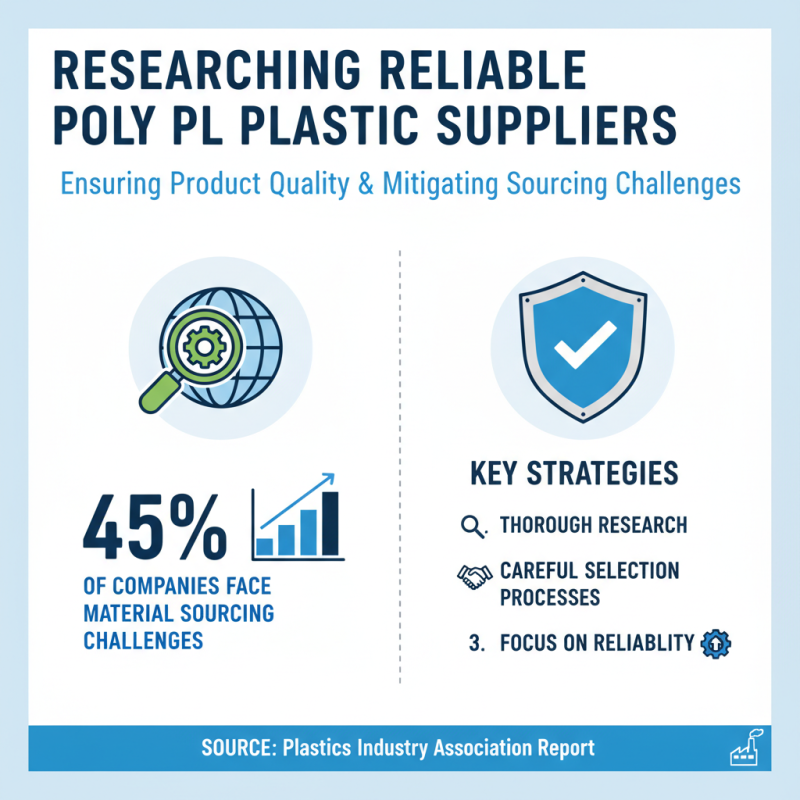
Researching reliable suppliers for poly plastic materials is crucial in ensuring product quality. A recent report from the Plastics Industry Association highlighted that 45% of companies encounter challenges with material sourcing. This statistic signals the need for thorough research and careful selection processes.
When sourcing, focus on suppliers with a proven track record. Evaluate their experience in the industry. Quality certifications can be a good indicator of reliability. For instance, ISO certifications demonstrate commitment to quality and standards compliance. Additionally, consider supplier reviews and case studies. They provide insights into others' experiences and reliability.
Networking with industry professionals can be beneficial. Engaging in forums and attending trade shows offers firsthand recommendations. However, not every connection will lead to a reliable source. Be prepared for setbacks and reassess your criteria as needed. Balance personal recommendations with verified statistics. This can provide a more comprehensive view of potential suppliers.
When sourcing poly plastic materials, evaluating quality standards is crucial. Quality influences product durability and overall performance. Look for compliance with recognized industry standards. This includes certifications and testing results from reliable laboratories. Ensure that your suppliers provide clear documentation regarding the materials’ specifications.
Consider the following tips for effective sourcing. Start with a detailed analysis of your specific needs. Understanding the application helps prioritize required material properties. For example, clarity, flexibility, and resistance to certain chemicals may matter greatly for your purpose.
Communicate openly with suppliers. Ask about their sourcing processes and quality control measures. Understand any potential challenges in material consistency. This transparency aids in long-term partnerships. Trust is built through shared information; don't hesitate to seek references regarding their previous work. Seeking feedback from other clients may also uncover valuable insights into the supplier's reliability.
This bar chart represents the assessment scores for different quality standards when sourcing poly plastic materials. It provides insights into how well each standard meets the necessary requirements for quality evaluation.
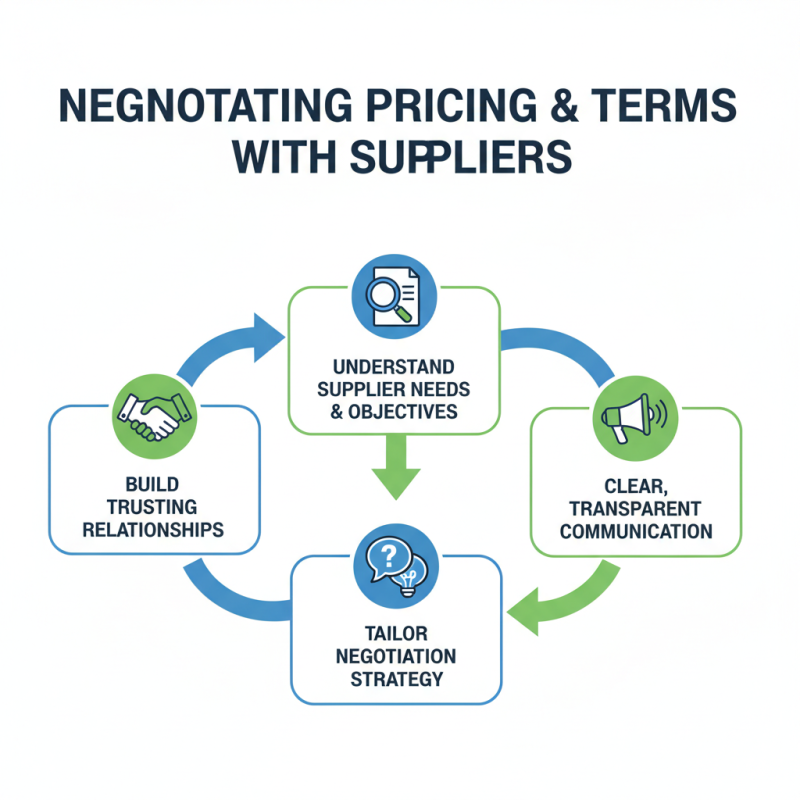
Negotiating pricing and terms with suppliers requires a strategic approach. Building a relationship based on trust is essential. Start by understanding the supplier's needs and objectives. This insight can help you tailor your negotiation strategy effectively. Transparent communication is key. Avoid vague terms; instead, be clear about your expectations.
When discussing prices, be prepared to share your budget constraints. This honesty can lead to flexible terms that benefit both parties. Don't hesitate to ask for discounts on bulk orders. Suppliers may have more room to negotiate than you realize. Research market prices beforehand. This knowledge gives you leverage during discussions.
Consider the full term package, including delivery timelines and payment methods. The cheapest price may not always be the best deal. Sometimes, a higher price comes with better quality or faster delivery. Reflecting on past negotiations can reveal areas for improvement. Learn from previous experiences to refine your approach. Making deals is a continual learning process.
Sourcing poly plastic materials sustainably is essential for today's businesses. Organizations must assess their suppliers for eco-friendly practices. One approach is to focus on recycled materials. Using recycled poly plastics can significantly reduce waste and minimize environmental impact.
Engagement with local suppliers can also help. Local sourcing often means lower carbon footprints and supports regional economies. However, some local materials may not meet quality standards. It’s vital to find a balance between quality and sustainability. Regular audits of your supply chain can reveal hidden inefficiencies or unethical practices.
Training your team in sustainable procurement is crucial. Empower them to make informed decisions. They should understand the importance of sustainable sourcing. This leads to better relationships with suppliers. Reflecting on sourcing processes helps identify areas for improvement. Sustainability isn’t a one-time effort; it requires ongoing commitment.