No Job is Too Big or Too Small!

What is polyvinyl chloride used for in everyday life?

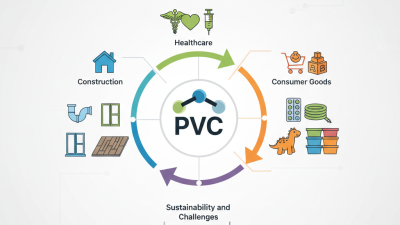
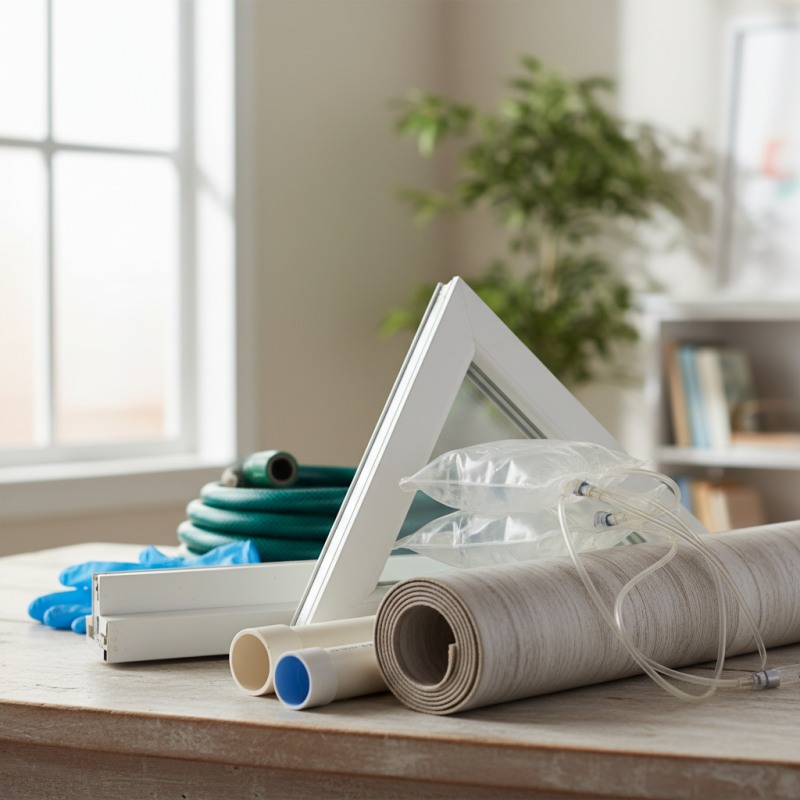
Polyvinyl chloride, commonly known as PVC, is a versatile plastic used in various aspects of daily life. From construction to healthcare, its applications are abundant and varied. In homes, PVC can be seen in flooring, pipes, and window frames. This material is favored for its durability and cost-effectiveness. Its resistance to moisture makes it ideal for plumbing.

In addition to construction, polyvinyl chloride plays a crucial role in the medical field. Many medical devices incorporate PVC due to its safety and adaptability. However, the widespread use of this material raises important questions. Are we considering the environmental impact of polyvinyl chloride? Its production and disposal can have significant consequences. Awareness and reflection are necessary to use such materials responsibly.

Daily encounters with polyvinyl chloride remind us of its importance. Yet, it also pushes us to think critically about sustainability. As we embrace the benefits of PVC, we must also recognize the potential downsides. Balancing convenience and environmental health is essential in our everyday choices.
What is polyvinyl chloride used for in everyday life?

Types of Polyvinyl Chloride and Their Properties
What is polyvinyl chloride used for in everyday life?

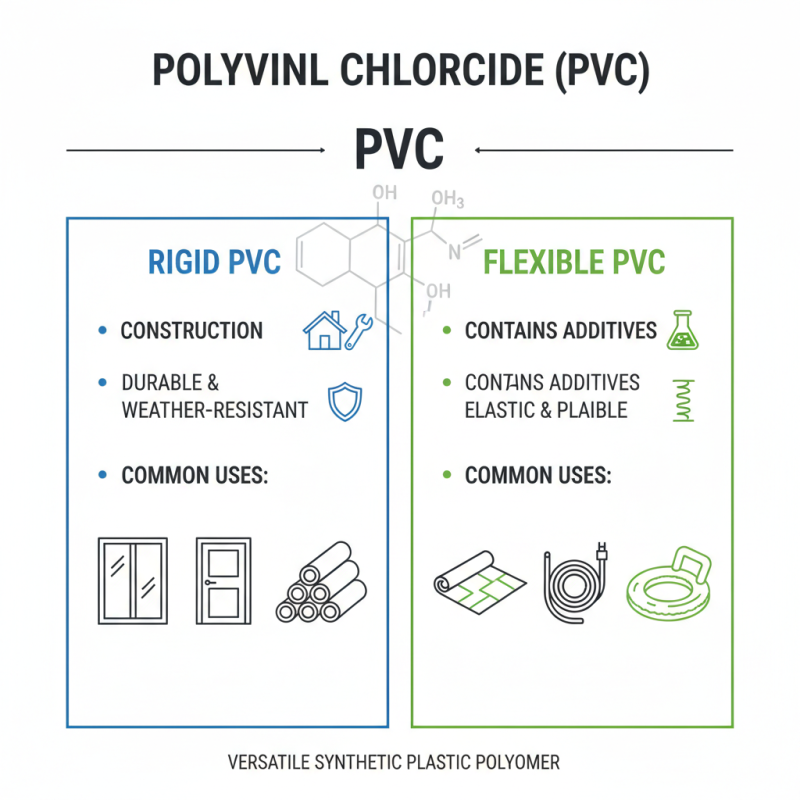
Polyvinyl chloride (PVC) is a versatile synthetic plastic polymer. It comes in two main forms: rigid and flexible. Rigid PVC, often used in construction, has excellent durability and weather resistance. It's common in windows, doors, and pipes. Flexible PVC, on the other hand, contains additives that give it flexibility. This makes it ideal for applications like flooring, electrical cable insulation, and inflatable products.

The properties of PVC make it a popular choice. According to a report by Smithers, the global PVC market is expected to reach over 60 million tons by 2025. This is largely due to its cost-effectiveness and adaptability. Rigid PVC has a high tensile strength, while flexible PVC can withstand bending without breaking. However, the recycling process remains a challenge. Only a small fraction of PVC is recycled, leading to environmental concerns.

Both types of PVC have strengths and weaknesses. Rigid PVC is resistant to corrosion but can become brittle over time. Flexible PVC may leach chemicals under certain conditions, raising health issues. Many professionals are looking for more sustainable alternatives. This doesn't cast a shadow on PVC's current popularity, but it suggests room for improvement. The future of PVC could benefit from enhanced recycling processes and safer formulations.
Common Household Items Made from Polyvinyl Chloride

What is polyvinyl chloride used for in everyday life?

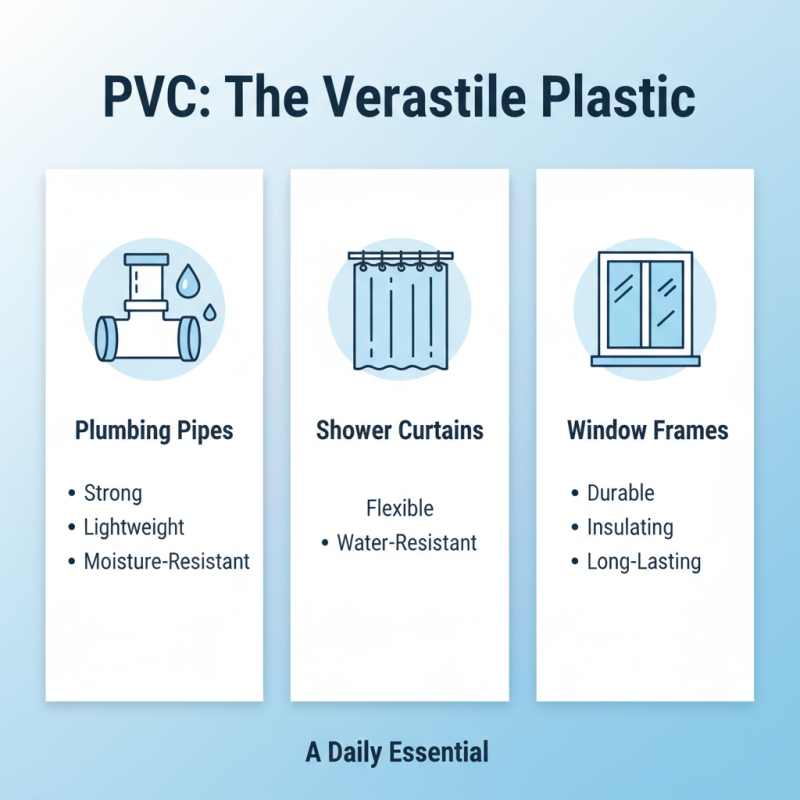
Polyvinyl chloride, or PVC, is a versatile plastic found in many common household items. It’s strong, lightweight, and resistant to moisture, making it ideal for various applications. You might find PVC in plumbing pipes, shower curtains, or window frames. These items have become staples in our daily lives.

Homeowners often use PVC for flooring. It’s durable and easy to clean. Many choose it for its affordability and aesthetic appeal. However, not all PVC products are created equal. Some may emit harmful chemicals over time. It's important to be aware of these potential risks.

**Tip:** When buying PVC items, look for products labeled as low-VOC. They are less likely to release harmful substances into your home.

PVC is also utilized in many toys, kitchen utensils, and storage solutions. It keeps items lightweight yet sturdy. However, consider the lifecycle of these products. They often end up in landfills, as recycling options can be limited.

**Tip:** Try to opt for reusable or longer-lasting alternatives when possible. Reducing disposable PVC items can help lessen environmental impact.

Industries That Utilize Polyvinyl Chloride Products

Polyvinyl chloride (PVC) plays a crucial role in various industries. In construction, it is widely used for pipes, tiles, and siding. In fact, reports show that the PVC market in construction is expected to grow at a rate of 5.6% annually through 2025. This growth highlights the material's durability and resistance to moisture. However, its production process can create environmental concerns that require careful management.

The healthcare industry also utilizes PVC extensively. It is found in medical devices, IV bags, and tubing. A study found that around 30% of medical devices contain PVC. While it is effective for maintaining sterile environments, the industry faces criticism over the use of phthalates in some PVC products. Regulatory agencies continue to evaluate these safety aspects. This reflects an ongoing need for improvements and innovations.

In the consumer goods sector, PVC is a common choice for toys and household items. In 2021, the demand for PVC in this market was valued at approximately $5 billion. This figure illustrates its popularity. Yet, consumers are increasingly becoming aware of potential health risks associated with PVC. Sustainable and safer alternatives are being sought actively, suggesting a pivot towards greener materials may be necessary.

Environmental Impact of Polyvinyl Chloride Use

Polyvinyl chloride, or PVC, is common in our lives. It’s in pipes, flooring, and even toys. However, we often overlook its environmental impact. Despite its durability, PVC is challenging to recycle. It can release harmful chemicals during production and disposal. These chemicals pose risks to both human health and wildlife. The lifecycle of PVC raises questions about sustainability.

Many people are unaware of the toxins that PVC can emit over time. When it breaks down, it can leach into soil and water. This is concerning for ecosystems and drinking water sources. Even small amounts can disrupt hormonal systems in animals. It's worth reflecting on what materials we choose in everyday products.

Tips: Look for alternatives like biodegradable materials. Research products before purchasing. Don’t hesitate to ask manufacturers about their practices. Small changes can lead to significant impacts over time. Choosing wisely can protect both our health and the environment.

Alternatives to Polyvinyl Chloride in Everyday Products

Polyvinyl chloride (PVC) is widespread in various everyday products. However, concerns about its environmental impact have driven the search for alternatives. For example, some companies now choose bioplastics over PVC for packaging. According to a recent industry report, bioplastics could potentially reduce carbon emissions by up to 80% compared to traditional plastics.

When it comes to flooring, some manufacturers are also developing options using natural materials. Cork, bamboo, and linoleum are gaining popularity as eco-friendly choices. These alternatives not only provide similar durability but also add unique aesthetics to homes. Reports indicate that the market for sustainable flooring is expected to grow by 25% in the next five years.

**Tips:** Consider using bamboo or cork for your next renovation. They are stylish and sustainable. Always check for certifications that guarantee eco-friendliness. Simple changes can help reduce our reliance on PVC. Embracing alternatives can lead to a healthier planet and a responsible lifestyle.

Polyvinyl Chloride (PVC) Usage in Everyday Life

This bar chart illustrates the various applications of Polyvinyl Chloride (PVC) in everyday products, alongside some alternatives available in the market.