
No Job is Too Big or Too Small!

What is the sand molding process and its key advantages?

The sand molding process is a vital technique in metal casting. It utilizes sands to create molds for shaping molten metals. This method stands out for its versatility and cost-effectiveness. Many industries rely on sand molds for producing complex shapes.

One key advantage is the ability to create detailed designs. The sand molding process allows intricate patterns, which can be difficult with other methods. This flexibility is essential for manufacturers seeking precision. However, it’s worth noting that imperfections may still arise in molds, causing issues.

Another notable benefit is the accessibility of materials. Sand is abundant and relatively inexpensive. Nonetheless, achieving the perfect blend for durability can be challenging. Manufacturers often need to experiment. Through this process, they can learn and improve, reflecting the ongoing commitment to quality.
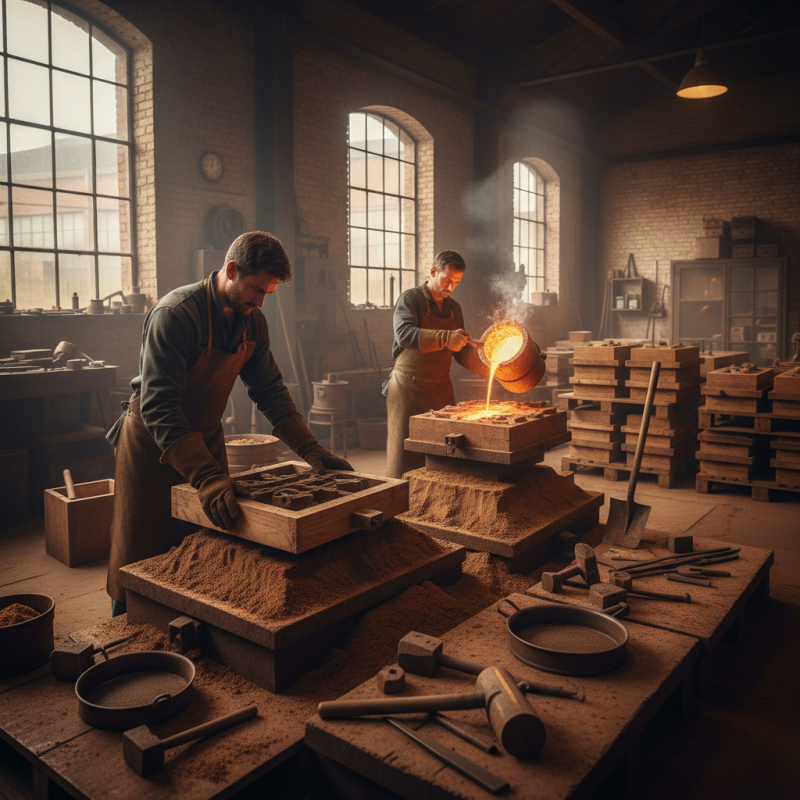
What is the sand molding process and its key advantages?

Overview of the Sand Molding Process in Metal Casting

Sand molding is a established method in metal casting. This technique involves creating molds from sand and a binder, allowing for intricate designs and efficient production. The process starts with forming a mold. This mold is often composed of a mixture of sand, clay, and water. Once the mold is prepared, it can be used to shape molten metal, creating various components. It's a tactile process, driven by the hands of skilled craftsmen or automated systems.

One notable advantage is the ability to produce large castings. Reports suggest that over 70% of metal castings are made using sand molds. This is largely due to the flexibility of the mold material. The sand can withstand high temperatures, which is essential for casting metals like iron and aluminum. Additionally, the cost-effectiveness of sand molding makes it a popular choice in various industries. However, the quality of the finished product can be variable. Imperfections often arise from sand grain sizes or moisture levels. Adjustments to these factors require careful monitoring.

The adaptability of sand molding also presents a challenge. Different applications may need specific sand compositions. Innovations have been made, but inconsistencies still occur. This highlights the need for continuous evaluation. According to industry studies, about 15% of casting defects are linked to mold issues. Addressing these problems remains a key focus for manufacturers looking to improve quality.

Materials Used in Sand Molding: Types and Properties

Sand molding is a crucial process in metal casting. The materials used in this process significantly impact the final quality of the castings produced. Typically, silica sand is the primary component due to its high melting point and availability. According to the American Foundry Society, around 70% of the molds in the metal casting industry utilize silica sand.

Besides silica, organic additives often improve mold characteristics. Bentonite clay is popular for enhancing the bonding properties of sand. It increases cohesion, which can be critical for maintaining the mold shape during pouring. However, the addition of clay can also reduce permeability. This can lead to defects like gas bubbles in the final casting.

Other materials can include water, pigments, and surfactants. Water helps in achieving the desired consistency, but too much moisture can result in weak molds. Each material plays a unique role, and understanding their properties is vital. The choice of materials often reflects a balance between cost and performance. Careful selection ensures the molds perform effectively under high melt temperatures.

Step-by-Step Procedure of Sand Molding Creation

The sand molding process is an intriguing method in manufacturing. It starts with preparing the mold. Workers mix sand with a binding agent. The mixture forms a reliable mold. This step requires careful attention to detail. Too much moisture can ruin the consistency.

Once the sand is ready, it is packed into the mold frame. The mold halves are pressed together. A gap in the design allows for expansion during heating. This part is critical. If done incorrectly, flaws will appear in the final product. After the halves are joined, a core may be added for complex shapes.

Next, the molten metal is poured into the mold. This requires precision and control. Any spill or overflow can lead to wasted material and time. Once the metal solidifies, the mold is broken away. Here, attention shifts to finishing the piece. Some details might need refining. Mistakes during the process can lead to extra work. Each step demands focus and skill, highlighting both the beauty and challenges of sand molding.

What is the sand molding process and its key advantages? - Step-by-Step Procedure of Sand Molding Creation

Step Description Key Advantages
1 Molding Sand Preparation Cost-effective and widely available materials.
2 Pattern Making High accuracy in reproduction of designs.
3 Core Making Allows for complex internal shapes in castings.
4 Mold Assembly Flexibility in mold sizes and designs.
5 Metal Pouring Can accommodate various metals and alloys.
6 Cooling and Solidification Good thermal conductivity aids in faster cooling.
7 Mold Removal Easily recyclable sand material.
8 Finishing Results in high-quality surface finishes.

Key Advantages of Sand Molding Over Other Casting Methods

Sand molding has significant advantages in the casting industry. This method allows for cost-effective production, especially for small to medium-sized runs. According to a recent industry report, about 70% of metal castings are produced using sand molds. This preference is largely due to its flexibility and speed.

One key benefit of sand molding is its adaptability to various shapes and sizes. The sand mixture can replicate intricate designs, which is crucial for complex components. It also facilitates quick turnarounds. Sand molds can often be made and dismantled within hours, helping manufacturers meet tight deadlines.

Moreover, the process contributes to lower emissions compared to other casting techniques. A study revealed that sand molding produces fewer pollutants, making it a greener option. Despite these strengths, there are challenges. For instance, the molds may require more finishing work. Often, it demands additional manpower to achieve the desired surface quality. These aspects need attention, as they can impact the overall efficiency of production.

Common Applications and Industries Utilizing Sand Molding Techniques

The sand molding process is widely used in various industries. It is especially common in automotive and aerospace sectors. These industries require precise and durable components. Sand molds allow for complex shapes and designs. This technique is ideal for creating intricate parts that traditional methods can’t achieve.

Another key application of sand molding is in the manufacturing of machinery components. Heavy equipment often demands high-strength materials. Sand casting meets this need effectively. It is also utilized in the art of sculpture and design. Artists appreciate the versatility of sand molds for creating unique pieces.

However, not every application succeeds. Some molds may not hold their shape properly, leading to defects. Consistency is crucial. Even minor inconsistencies can affect the final product. Industries must continually refine their processes to improve outcomes. This ongoing adjustment is essential for quality results.