
No Job is Too Big or Too Small!

How to Source High Quality Machined Parts for Your Business?

In today's competitive market, sourcing high-quality machined parts is crucial for business success. According to a report by Grand View Research, the global precision machining market is expected to reach $404 billion by 2027. This growth highlights the increasing demand for precision and reliability in manufacturing processes. High-quality machined parts are integral to various industries, including aerospace, automotive, and medical.

However, identifying suppliers who can deliver these components consistently remains a challenge. Many businesses face difficulties with quality assurance and lead times. A 2021 survey from Industry Week indicated that 75% of manufacturers struggle with supply chain interruptions. Understanding these issues is essential for making informed sourcing decisions.

Investing in reliable suppliers is not just about cost. It's about quality, performance, and long-term partnerships. The right machined parts can enhance product longevity and efficiency. However, many companies overlook the importance of supplier evaluation. Reflecting on previous sourcing experiences can lead to better outcomes. Ultimately, a strategic approach to sourcing machined parts is vital for sustainable growth.
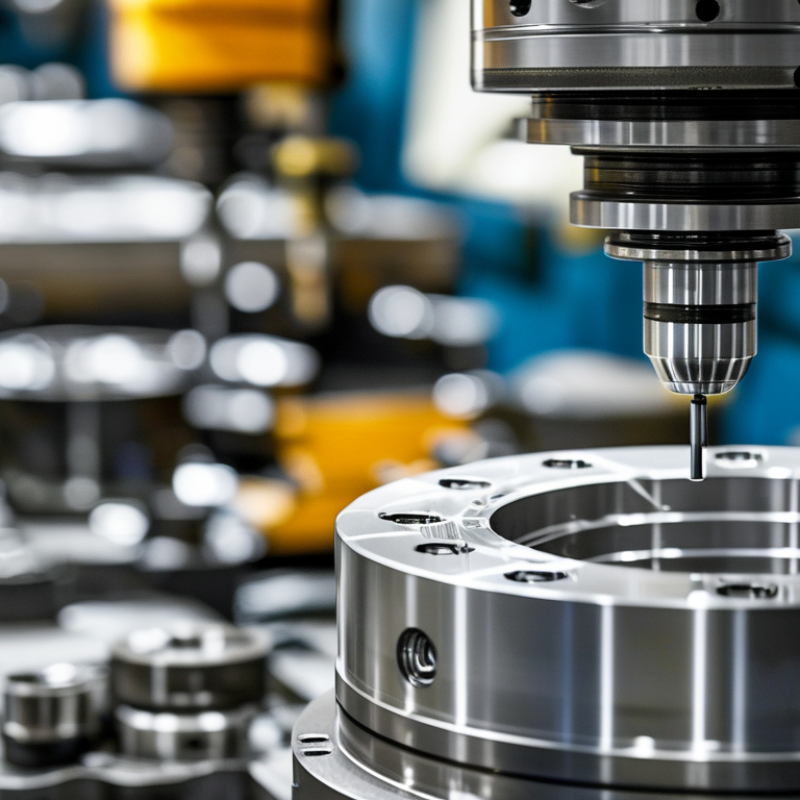
How to Source High Quality Machined Parts for Your Business?

Understanding the Importance of High-Quality Machined Parts

High-quality machined parts are essential in many industries. They directly impact product performance and reliability. When a part fails, it can lead to costly downtime and safety hazards. This underlines the necessity of sourcing components from reputable suppliers who prioritize quality.

Understanding the importance of precision is crucial. High-quality machined parts ensure that your machinery operates smoothly and efficiently. Tolerances in machining can be tight, sometimes just a fraction of a millimeter. Selecting parts that meet or exceed specifications is vital. However, finding reliable manufacturers can be a challenge.

In my experience, quality control processes should be rigorous. It's essential to ask potential suppliers about their quality assurance practices. Visit their facilities if possible. Some may have impressive certifications, yet their real-world performance can differ. Request samples to evaluate the craftsmanship. By being vigilant in your sourcing efforts, you can significantly enhance the integrity of your final product.

Identifying Your Specific Machined Parts Requirements

Identifying your specific requirements for machined parts is essential. It starts with understanding the intended use. Consider factors like size, material, and tolerances. Each project may have unique specifications. For instance, high-precision parts need tighter tolerances than standard components. Draft clear specifications to avoid confusion later.

Talk to stakeholders about their needs. Engineers, production managers, and quality control personnel can offer insights. It’s crucial to balance performance and cost. Sometimes, opting for less expensive materials can compromise the part's durability. Knowledge of these trade-offs makes a difference. Ensure you communicate your expectations clearly to potential suppliers.

Be mindful of industry standards. Not all machined parts are created equal. Some suppliers might not meet rigorous quality checks. Research their processes and certifications. Engage in conversations about their practices. Knowing their capabilities allows you to assess risks. This approach helps in selecting reliable partners. Sometimes, revisiting earlier choices proves beneficial. Reflection leads to better decisions in the long run.

How to Source High Quality Machined Parts for Your Business? - Identifying Your Specific Machined Parts Requirements

Part Name Material Precision Level Quantity Lead Time (weeks) Price (USD)
Metal Bracket Aluminum High 200 3 1500
Gear Component Steel Medium 500 4 2500
Housing Casing Plastic Low 1000 2 500
Support Bracket Titanium High 150 5 4500
Connector Piece Brass Medium 300 3 1200

Researching Reliable Suppliers and Manufacturers

Finding reliable suppliers and manufacturers for machined parts can be challenging. Start by exploring online directories focused on manufacturing firms. Pay attention to ratings and reviews. This helps gauge reliability. Look for companies with a strong online presence. A professional website often indicates commitment and expertise.

Networking can also lead to trustworthy suppliers. Attend industry events and connect with peers. Personal recommendations hold weight. You might discover hidden gems that perform well. Keep an open mind; not every known name delivers quality. Conduct small test orders to evaluate the output. Quality assurance checks are crucial in the early stages.

Documentation is vital when dealing with suppliers. Ask for certifications and quality control processes. It shows their commitment to maintaining standards. Communication is key. Ensure they understand your specifications clearly. Misunderstandings can lead to costly mistakes. Always establish a relationship with feedback. It fosters improvement and builds trust over time.

Evaluating Quality Standards and Certifications for Machined Parts

When sourcing high-quality machined parts, evaluating quality standards and certifications is crucial. Different industries have specific requirements that need to be met. Focus on the certifications relevant to your sector, such as ISO 9001, which ensures a standardized quality management system. Though many manufacturers claim compliance, verifying their documentation is essential. This simple check can save you from costly mistakes.

Experience shows that suppliers with industry-specific certifications often provide better quality. However, not all certifications carry the same weight. Investigate the origin of the certification. Are the standards recognized globally or locally? A certification from a recognized authority usually indicates reliability.

Be aware of overconfidence. Trusting a supplier solely based on certifications can be risky. Always request samples before making large orders. Inspect the parts carefully to evaluate their quality firsthand. Sometimes, even certified parts may not meet your expectations, highlighting the importance of direct oversight in the sourcing process. Make informed decisions, but be prepared to adapt as you learn more about your suppliers.

Establishing Strong Communication and Collaboration with Suppliers

Establishing strong communication and collaboration with suppliers is essential for sourcing high-quality machined parts. A recent study found that companies with effective supplier collaboration achieve up to 30% higher efficiency. The key is to foster trust and transparency. Regular meetings help set expectations and clarify goals. Tools like shared platforms can streamline project updates.

Tip: Engage suppliers early in the design process. This encourages innovative solutions and reduces potential problems later. Involving them allows for feedback that can enhance product quality.

Additionally, feedback loops are critical. They help identify any discrepancies in quality or delivery times. It’s normal to encounter challenges in these relationships. A report by the Institute for Supply Management notes that 75% of companies face issues with supplier communication. Addressing problems openly can lead to stronger partnerships and better outcomes.

Tip: Consider regular performance reviews with your suppliers. This creates accountability and encourages continuous improvement. By understanding each other’s capabilities, both parties can adapt more effectively.