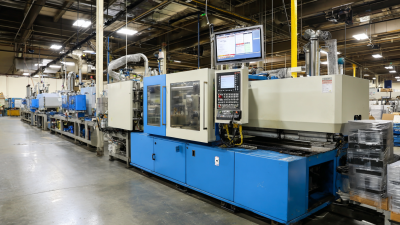
Sourcing high-quality plastic parts is crucial for any business relying on these components. The right plastic parts can enhance product performance and ensure reliability. However, finding trustworthy suppliers can be challenging. Many businesses face issues like inconsistent quality and delayed shipments.
Understanding the materials used in plastic parts is vital. Different plastics have unique properties. Knowledge of these properties helps businesses make informed decisions. Poor choices can lead to product failures and increased costs. It is essential to evaluate suppliers thoroughly.
Establishing strong relationships with suppliers is key. Regular communication fosters trust and collaboration. Occasionally, suppliers may not meet expectations. Reflecting on these experiences can lead to improvements. In the world of plastic parts, striving for quality means prioritizing reliable partnerships. Consistency and open dialogue will lead to better outcomes for your business.
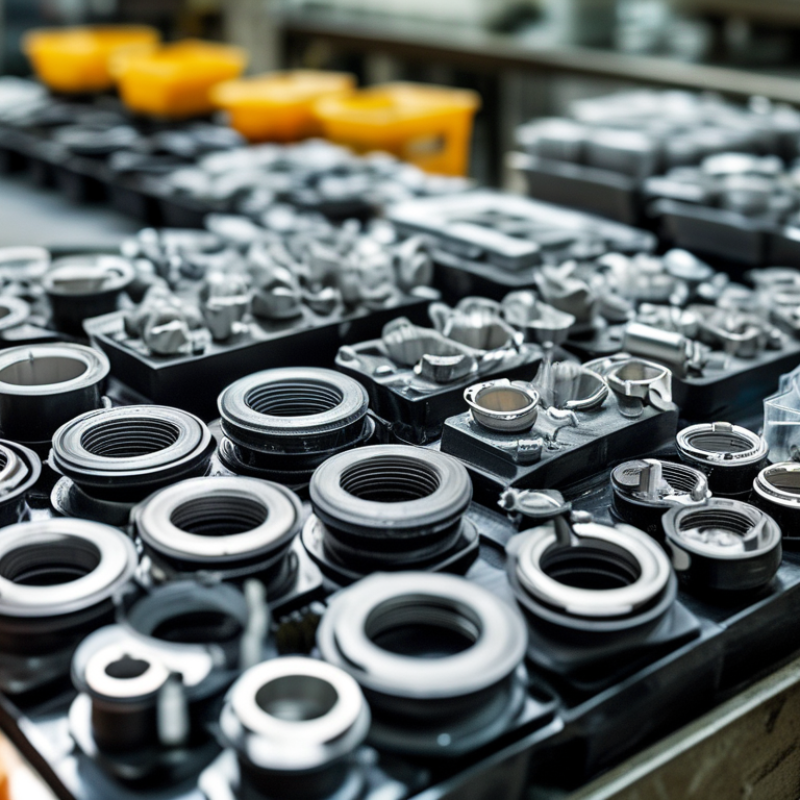
Quality plastic parts are crucial for the success of many businesses. According to a report by Smithers Pira, the global plastic materials market is projected to reach $650 billion by 2025. This growth underscores the importance of reliable suppliers. Quality plastic parts not only enhance product functionality but also influence customer satisfaction. In fact, 70% of consumers associate product quality with brand loyalty.
Sourcing quality parts requires careful evaluation. Many businesses struggle with defects or variability, leading to increased costs and lost sales. A study published in the Journal of Manufacturing Processes highlights that poor quality can raise production costs by up to 30%. Companies must prioritize rigorous quality checks and choose suppliers with ISO certifications. These certifications can serve as a benchmark for assessing a supplier’s commitment to quality.
When selecting plastic parts, consider economy and functionality together. The cheapest option isn't always the best. It can lead to performance issues that drive customers away. Additionally, some manufacturers may overlook sustainability. The industry is moving towards eco-friendly materials, which can enhance a company's image. Keeping up with these trends can be challenging but vital for long-term success in a competitive market.
Identifying your specific plastic parts requirements and specifications is crucial for any business. Start by examining the functionality of the parts you need. Consider characteristics such as strength, flexibility, and temperature resistance. Industry reports indicate that approximately 70% of product failures stem from a mismatch in materials. So, proper material selection is essential.
Next, think about the manufacturing process. Will you need injection molding, CNC machining, or 3D printing? Each method has strengths and weaknesses. For example, injection molding is ideal for high volume, while 3D printing shines in low volume or complex geometries. According to a recent survey, 54% of companies reported delays due to unclear specifications. Clearly defined requirements can prevent costly setbacks.
Lastly, consider compliance and quality standards. Understanding regulations for your industry can save you time and resources. A study from the Plastics Industry Association noted that businesses adhering to quality standards saw a 30% increase in customer satisfaction. Define your specifications in detail, and you'll be better equipped to find reliable suppliers who meet your needs.
When sourcing plastic parts, it is essential to research potential suppliers thoroughly. Start by assessing their experience in the industry. A well-established supplier often has honed processes that ensure consistent quality. Look for businesses with a proven track record. Consider their history with clients in your field. This insight can guide your decision-making.
Evaluating quality standards is crucial. Request certifications to confirm compliance with international norms. Ask for test reports or samples to scrutinize. Pay attention to material specifications and manufacturing methods. These factors affect durability and performance. A transparent supplier readily shares this information. If they hesitate, it might reflect underlying issues.
Keep communication open and ask questions. Gauge their responsiveness and willingness to engage in dialogue. A reliable supplier values your concerns and responds promptly. Reflect on past experiences, both good and bad. Such reflections can lead to better partnerships in the future. Choose suppliers that align well with your business needs and standards.
When sourcing quality plastic parts, understanding the manufacturing processes is crucial. Different methods, such as
injection molding and 3D printing, offer distinct advantages.
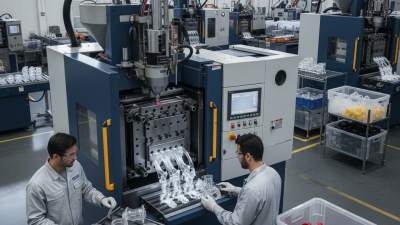
Injection molding is efficient for high volumes. It ensures precision and surface finish. However, setup costs can be high. Assess whether these costs fit your production needs.
3D printing, on the other hand, offers flexibility. It allows for rapid prototyping and customization. This method is great for low-volume projects. However, the material properties may not always match those of traditional methods. Be mindful of the limitations in durability and finish.
Consider the qualifications of your manufacturing partner. Evaluate their experience with specific processes. Request samples to assess quality firsthand.
A thorough audit of their technology can reveal much about their capabilities. Transparent communication about their processes fosters a reliable partnership.
Prioritize this trust to avoid setbacks in your production schedule.
Establishing robust quality control measures is essential for sourcing quality plastic parts. Research from Seramount indicates that 30% of businesses experience supply chain disruptions due to inadequate quality management. Implementing standard operating procedures (SOPs) can significantly reduce such issues. Setting clear quality metrics for suppliers is crucial. For instance, a defect rate of less than 2% is often considered acceptable in the industry.
Building ongoing relationships with suppliers can further enhance the quality of plastic parts. A survey by Deloitte found that 65% of successful businesses cite strong supplier relationships as a key to maintaining quality. Regular audits and performance reviews foster open communication. It allows for quick resolution of potential quality issues. However, it's important to recognize that not all suppliers will meet expectations immediately. Continuous feedback loops are necessary for improvement.
Engaging in joint improvement initiatives with suppliers can yield significant benefits. Collaborative approaches often address quality concerns effectively. Industry data suggests that companies investing in supplier development see 20% improvements in product quality over time. Nonetheless, relying solely on contracts without nurturing relationships may lead to complacency. Balancing contractual obligations with proactive engagement can lead to more sustainable sourcing strategies.
| Supplier Location | Material Type | Quality Certification | Lead Time (Weeks) | Minimum Order Quantity | Price per Unit ($) |
|---|---|---|---|---|---|
| USA | ABS | ISO 9001 | 2 | 500 | 2.50 |
| Germany | PVC | ISO 14001 | 3 | 1000 | 3.20 |
| China | Polypropylene | BSCI | 4 | 2000 | 1.75 |
| India | Polycarbonate | ISO 9001 | 3 | 1500 | 2.00 |
| Mexico | Nylon | IATF 16949 | 2 | 800 | 2.80 |