No Job is Too Big or Too Small!

Top 10 Tips for Successful Plastic Injection Molding Process?

Plastic injection molding is a crucial process in manufacturing. It shapes various materials into precise forms. Experts emphasize the importance of mastering this technique. Paul Griffiths, a renowned plastic injection expert, once said, “The success of plastic injection lies in attention to detail.” This highlights how small adjustments can greatly impact the final product.

Understanding the intricacies of plastic injection can enhance efficiency. Each phase calls for careful monitoring to prevent defects. Even minor oversights can lead to significant losses. For instance, maintaining optimal temperatures is essential for material flow. This requires constant vigilance and a willingness to adapt.

Moreover, costs can spiral out of control without a solid plan. Evaluating equipment and material choices is vital. Many companies struggle with this aspect, often leading to wasted resources. Reflection on past projects can provide valuable lessons. Continuous improvement is necessary in the ever-evolving landscape of plastic injection.
Top 10 Tips for Successful Plastic Injection Molding Process?

Understanding the Basics of Plastic Injection Molding Process

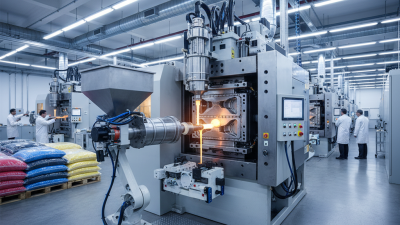
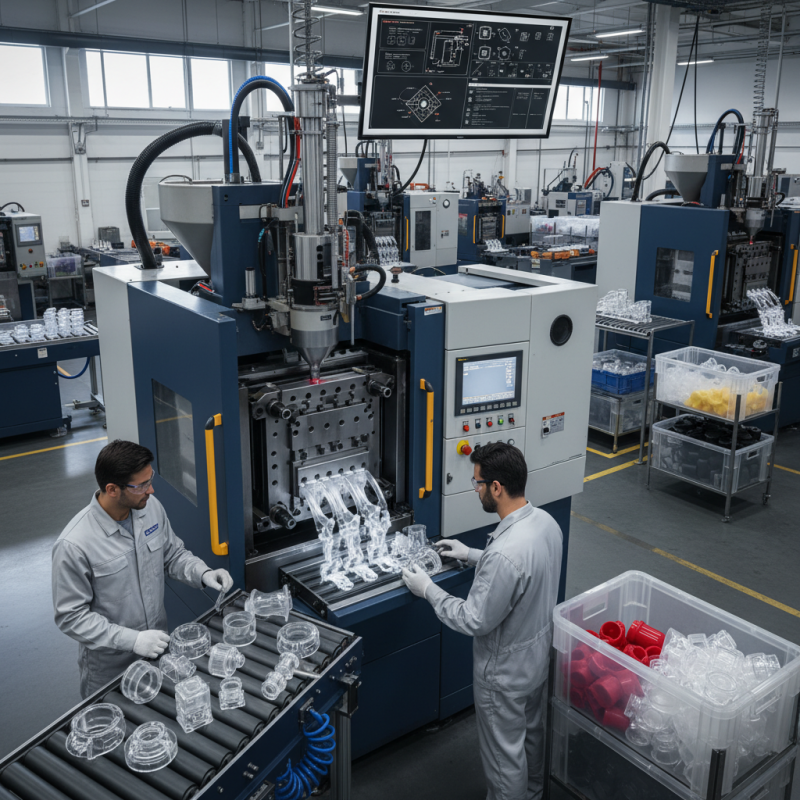
Plastic injection molding is a process that plays a critical role in manufacturing. Understanding this process begins with knowing its basic principles. The process involves injecting molten plastic into a mold to create precise shapes. According to industry reports, around 30% of plastic products utilize this method due to its efficiency and versatility.

Key variables include temperature, mold design, and cycle time. Maintaining the correct temperature is vital. If the molten material is too hot, it may degrade. Conversely, if it's too cool, the injection process can fail. Mold design affects the flow of plastic. A poorly designed mold can lead to defects or increased cycle times, which may cost manufacturers time and resources.

Even seasoned professionals can struggle with these variables. A study indicated that nearly 25% of defects in parts arise from improper settings. This statistic highlights the need for continuous learning. Experts suggest investing in training to improve skillsets. Regularly reassessing processes can reveal opportunities for enhancement. Embracing a growth mindset may lead to better outcomes and reduced waste in production.
Key Factors Influencing the Quality of Injection Molding Parts

The quality of injection molded parts relies heavily on several key factors. Temperature control is crucial during the molding process. If it's too high or too low, the final product may show defects, such as warping or incomplete filling. Precision in temperature management can enhance the durability and strength of the pieces produced.

Another important aspect is the material selection. Different materials behave uniquely when injected, affecting strength and flexibility. Choosing the right type ensures that the parts meet desired specifications. Mixing materials can also lead to issues if not evaluated correctly.

**Tip:** Always test materials prior. This helps predict performance. Moreover, regular maintenance of machinery ensures consistency in production processes. Neglecting equipment can lead to increased defects and delays. It's essential to stay updated with process advancements to improve output quality.

Top 10 Tips for Successful Plastic Injection Molding Process

This chart illustrates the top 10 factors influencing the quality of injection-molded parts, rated on a scale from 1 to 10. Material selection, temperature control, and mold design are deemed most critical for achieving high-quality parts.

Essential Equipment and Materials for Effective Injection Molding

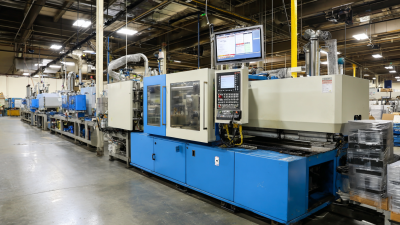
In the world of plastic injection molding, the choice of equipment and materials can make or break the process. High-quality injection molding machines are essential. They should offer precise temperature control and reliable pressure settings. This accuracy helps in achieving consistent and uniform parts. Choosing the right mold is equally crucial. Molds should be designed to withstand high pressures and temperatures without deforming. Material selection is vital as well. Polypropylene, ABS, and nylon are common choices, each exhibiting unique properties.

Proper handling of raw materials cannot be overlooked. They should be stored in a clean, dry environment to avoid contamination. Moisture can lead to poor part quality. Additionally, using additives can enhance material properties, but they must be compatible. When configuring the mold, ensure that cooling channels are optimally placed. Inadequate cooling can lead to uneven solidification.

In terms of workforce training, skills are essential. Operators need a solid understanding of machinery and processes. Regular training can address any gaps in knowledge. Remember, even experienced operators make mistakes. Addressing these issues quickly is crucial for maintaining production efficiency. Regular audits of your equipment and processes can help identify improvement areas.

Top 10 Tips for Successful Plastic Injection Molding Process

Tip Number Tip Essential Equipment Materials Required
1 Choose the Right Material Injection Molding Machine Thermoplastics, Thermosets
2 Optimize Mold Design Design Software Steel, Aluminum
3 Control Temperature and Pressure Temperature Controllers Cooling Fluids
4 Use Quality Additives Mixing Equipment Colorant, Fillers
5 Maintain Equipment Regularly Maintenance Tools Lubricants
6 Perform Quality Inspections Inspection Tools Sample Molds
7 Train Operators Effectively Training Materials Manuals, Safety Gear
8 Conduct Process Simulations Simulation Software Test Materials
9 Implement Lean Manufacturing Lean Tools Waste Reduction Resources
10 Review and Adjust Processes Data Analysis Software Process Data

Common Challenges in Plastic Injection Molding and Their Solutions

Top 10 Tips for Successful Plastic Injection Molding Process?

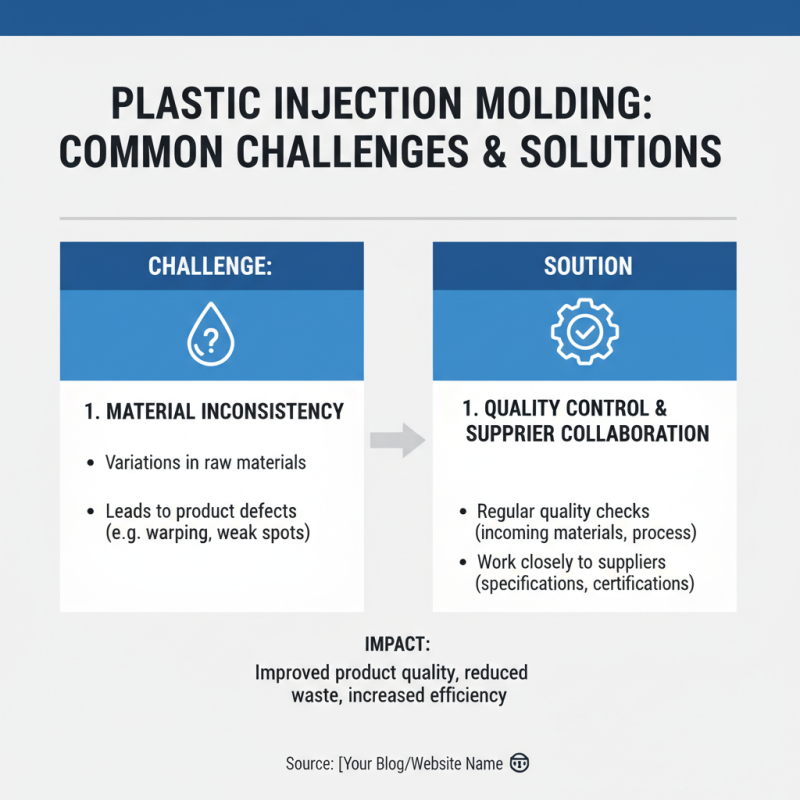
In the plastic injection molding process, challenges often arise that can hinder production. One common issue is material inconsistency. Variations in raw materials can lead to defects in finished products. Regular quality checks are essential to minimize these inconsistencies. Working closely with suppliers helps ensure that the materials meet required standards.

Another frequent problem is machine downtime. Equipment failures can disrupt the workflow, causing delays and increased costs. Implementing scheduled maintenance can reduce the risks of unexpected breakdowns. Keeping spare parts on hand for critical machines can also mitigate downtime.

Temperature control in the molding process is crucial. If the temperature is too high or too low, product quality suffers. Investing in reliable temperature monitoring systems helps maintain optimal conditions. However, ensuring uniform heat distribution can still pose a challenge. Frequent adjustments and fine-tuning may be necessary to achieve the desired results. Recognizing these hurdles is the first step toward improving the injection molding process.

Best Practices for Maintaining Injection Molding Machinery and Tools

Maintaining injection molding machinery and tools is crucial for optimal performance. Regular inspections can identify wear and tear before they become significant issues. Pay attention to lubrication schedules. Proper lubrication reduces friction and prolongs the life of your machinery. Operators should receive training on routine maintenance tasks. This ensures they recognize signs of potential problems early.

Utilize cleaning solutions designed for injection molds to maintain precision. Residue can affect the quality of your molds. Create a maintenance log to keep track of inspections and repairs. Documentation can help in understanding patterns over time. It's important to replace worn components promptly. This prevents downtime and costly repairs that can arise from neglect.

Innovative practices can enhance your injection molding process. Consider implementing predictive maintenance strategies. Analyzing data can help foresee when machinery needs servicing. Sometimes, though, it’s easy to overlook small issues. Regular team meetings can address potential problems collaboratively. Sharing knowledge helps foster a proactive maintenance culture. Engaging everyone in the process creates accountability.