Global injection molding is expanding, but cost leadership is becoming harder to define. Grand View Research estimates the global injection molded plastics market reached approximately USD 198 billion in 2023. Fortune Business Insights reports a different figure, showing why market estimates require careful interpretation. Regional scope, material categories, and reporting methods can change the result.
This guide examines top low cost injection molding companies worldwide through practical indicators. These include tooling prices, cycle times, material efficiency, quality systems, shipping distance, and production scale. A low quotation may hide expensive mold revisions, inconsistent tolerances, or long delivery delays. The real cost appears after the first production run.
John Bozzelli, founder of Scientific Molding, often emphasizes, “The process is the product.” His point remains important for buyers comparing suppliers. A reliable factory should show process capability, inspection records, mold-maintenance routines, and clear engineering communication. ISO 9001 certification can support confidence, but it cannot replace factory-level verification. Nor does it guarantee perfect parts.
The companies discussed here serve different needs. Some focus on high-volume consumer products. Others support medical, automotive, or prototype programs. Their advantages may change by region, resin type, order quantity, and mold complexity. That is the uncomfortable part. There is no universally cheapest supplier.
Readers should treat this overview as a starting point, not a final purchasing decision. Requesting samples, reviewing tolerances, and checking total landed cost can reveal differences that online rankings miss. The cheapest mold is not always the cheapest project.
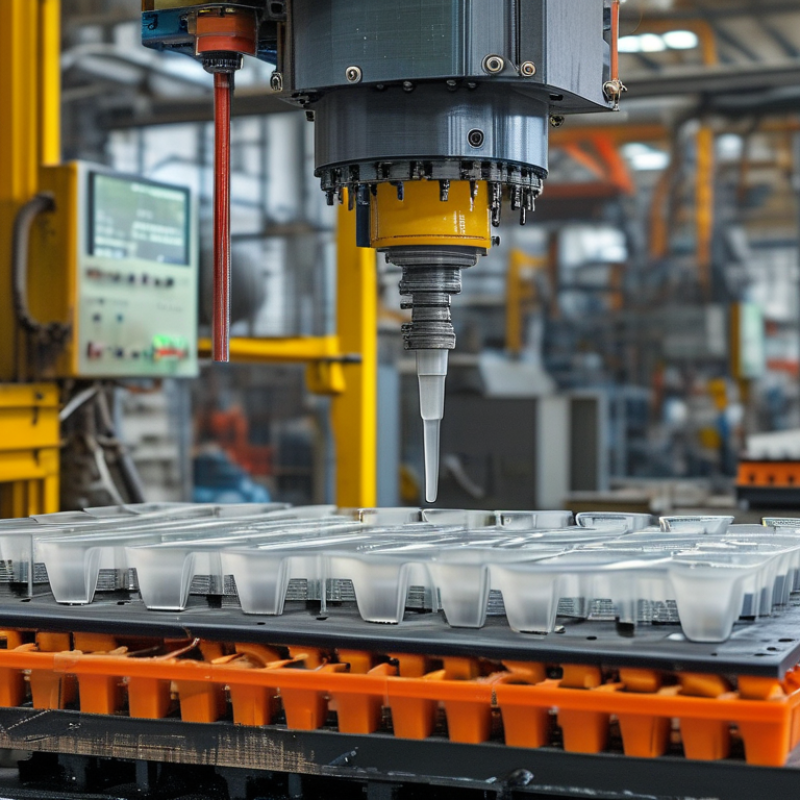
A low-cost injection molding company is not simply the supplier offering the lowest quotation. It controls total cost from tooling design to delivered parts. According to Grand View Research, the global injection molded plastics market reached approximately $198.2 billion in 2023. That scale intensifies price pressure, but volume alone does not guarantee efficiency.
Practical cost control begins with manufacturability. Engineers should reduce unnecessary wall thickness, avoid sharp corners, and balance cooling channels. A shorter cycle can save thousands of machine hours annually. Scrap rates matter too. A 3% rejection rate may look acceptable, yet it can consume a significant share of annual material spending.
The International Energy Agency reported that industry used about 37% of global final energy in 2022. Efficient machines, stable temperatures, and disciplined maintenance therefore affect both pricing and environmental performance.
Transparency separates reliable low-cost suppliers from risky ones. Buyers should request mold-life estimates, process capability data, inspection records, and a clear breakdown of resin, labor, tooling, and freight. ISO 9001 certification can support consistency, but it cannot replace production evidence. Sample approval is essential. A polished audit file may still hide weak tool maintenance. That is an uncomfortable point. The best evaluation includes a factory visit, dimensional checks, and a small trial order before full production.
Low-cost injection molding companies compete through services, not price alone. A capable supplier should offer design-for-manufacturing reviews, rapid prototypes, mold-flow analysis, tooling, production molding, and secondary assembly. These steps can prevent short shots, sink marks, and difficult ejection around thin ribs.
Grand View Research reported that the global injection molded plastics market reached approximately USD 387.9 billion in 2023. This scale increases material access, but capability still varies widely. Reliable manufacturers explain resin selection, shrinkage, cavity balance, cycle time, and expected tool life. They may support multi-cavity molds, automated part removal, in-line inspection, and batch traceability. ISO 9001-based quality systems also improve process discipline, though certification alone proves little. Ask for sample inspection reports.
The best low-cost partner is not always the lowest bidder. A low mold price may hide limited revisions, weak maintenance, or expensive shipping. I would compare total landed cost, including tooling, packaging, scrap, and logistics. Recent market reports also show steady growth in injection molding equipment demand, driven by automation and higher production efficiency. Yet automation is not automatically better for small volumes. A simple mold and manual trimming may be more economical.
Tips: Request a DFM review before approval. Confirm tolerances on a drawing. Ask how rejected parts are controlled. Check whether the supplier can repeat color, weight, and dimensions across lots. Some quotes look attractive. Read the assumptions carefully.
| Manufacturing Region | Typical Production Focus | Common Machine Clamping Range | Frequently Processed Materials | Key Services | Tooling and Production Profile | Typical Prototype-to-Production Lead Time | Common Quality and Compliance Practices |
|---|---|---|---|---|---|---|---|
| Mainland China | High-volume consumer products, electronics housings, automotive components, packaging, and industrial parts | 50–3,000+ metric tons | PP ABS PC PA POM TPE | DFM analysis, mold design, CNC machining, EDM, injection molding, insert molding, overmolding, assembly, printing, and export packaging | Broad supplier base; strong availability of multi-cavity, family, hot-runner, and automated molds; competitive at medium and high volumes | Prototype tooling: approximately 2–5 weeks; production tooling: approximately 4–10 weeks; molding typically follows approved tooling and samples | Dimensional inspection, first-article approval, process records, material certificates, traceability, and ISO 9001 commonly available |
| India | Automotive parts, electrical components, medical disposables, appliances, packaging, and engineering plastics | 80–2,000 metric tons | PP PE ABS PC PA PBT | Tool design, mold manufacturing, injection molding, insert molding, secondary operations, assembly, and domestic or export fulfillment | Well suited to cost-sensitive engineered parts and repeat production; capabilities vary significantly by plant size and automation level | Tooling: approximately 5–12 weeks; production ramp-up depends on part complexity, validation requirements, and cavity count | Inspection plans, gauge calibration, batch records, material documentation, PPAP support, and ISO 9001 commonly offered |
| Vietnam | Consumer electronics, household goods, packaging, electrical parts, and lightweight industrial components | 50–1,300 metric tons | PP ABS PC HIPS POM TPE | Mold making, injection molding, clean assembly, pad printing, ultrasonic welding, packaging, and export logistics | Competitive for stable repeat programs and labor-supported assembly; often integrated into regional Asian supply chains | Tooling: approximately 5–10 weeks; production lead time commonly depends on material availability and customer inspection procedures | In-process inspection, outgoing quality control, lot traceability, supplier audits, and ISO 9001 commonly available |
| Mexico | Automotive, appliance, electrical, medical, industrial, and nearshore North American supply programs | 50–2,500 metric tons | PP ABS PC PA PBT PE | Tool transfer and maintenance, injection molding, insert molding, assembly, welding, labeling, packaging, and regional distribution | Nearshore advantage for North American customers; favorable for reduced transportation time, smaller replenishment batches, and supplier collaboration | Tool transfer or local tooling: approximately 6–14 weeks; production scheduling varies with validation and customer release requirements | ISO 9001 is common; automotive-focused facilities may provide IATF 16949 systems, PPAP documentation, MSA, and SPC |
| Türkiye | Automotive, white goods, construction products, packaging, consumer goods, and technical plastic components | 80–2,000 metric tons | PP ABS PA POM PBT TPE | Tool design, mold manufacturing, injection molding, gas-assisted molding, insert molding, assembly, and European export support | Strong regional access to Europe and the Middle East; suitable for medium-volume programs and technically molded components | Tooling: approximately 6–12 weeks; production timing depends on mold complexity, resin availability, and approval cycles | Dimensional reports, material certificates, process controls, traceability, and ISO 9001 commonly available; automotive systems vary by facility |
| Eastern Europe | Automotive, electrical, medical, industrial, packaging, and consumer-product manufacturing for European markets | 50–2,000 metric tons | PP ABS PC PA POM PBT | European-compliant tooling, injection molding, insert molding, cleanroom production in selected facilities, assembly, and logistics coordination | Competitive total cost for European customers when transport, communication, tooling control, and shorter supply routes are included | Tooling: approximately 6–14 weeks; production lead times are generally aligned with European validation and release procedures | ISO 9001 is widespread; ISO 13485 may be available for medical production, while automotive suppliers may operate under IATF 16949 |
| Southeast Asia | Packaging, consumer goods, electronics, electrical components, household products, and automotive supply parts | 50–1,500 metric tons | PP PE ABS HIPS PC TPE | Injection molding, mold maintenance, multi-shot molding, overmolding, assembly, decorating, packaging, and export consolidation | Cost-effective for labor-supported assembly and high-volume parts; production capabilities differ widely between countries and facilities | Tooling: approximately 5–12 weeks; production lead time depends on factory utilization, resin sourcing, and inspection requirements | Incoming, in-process, and final inspection; ISO 9001 and customer-specific audit systems commonly available |
Selecting a low-cost injection molding company requires more than comparing unit prices. Request production samples, dimensional reports, and material certificates before approving a supplier. Inspect details such as flash, sink marks, weld lines, and surface consistency. A reliable factory should explain its inspection tools and acceptance limits clearly. Ask whether operators measure parts during production or only after final packing. That difference matters.
Pricing needs careful interpretation. Request a breakdown covering mold construction, resin, labor, packaging, shipping, and maintenance. A cheap quote may exclude mold modifications or trial-run charges. Compare cycle times, material waste, and expected tool life. Short answers are warning signs. Production capacity also deserves evidence. Confirm available machine tonnage, monthly output, shift patterns, and backup equipment. Ask for a realistic schedule based on your part size, not a generic promise. A factory may own many machines but lack the right capacity during peak periods.
A practical evaluation includes a small pilot order. Track delivery accuracy, first-pass yield, response time, and corrective action quality. No audit is perfect. I have seen attractive samples hide unstable processes. Require process capability data for critical dimensions when possible, and review how revisions are documented. Clear communication often predicts fewer delays than a slightly lower price. The best low-cost partner controls variation, explains limitations, and protects quality without disguising costs.
Leading low-cost injection molding companies worldwide compete through process control, regional labor advantages, and disciplined tooling management. They serve automotive, consumer, electronics, and industrial buyers with repeatable parts, not merely low hourly rates. Fortune Business Insights valued the global plastic injection molding machine market at approximately US$10.6 billion in 2023. Its forecast also indicates steady expansion through 2032, increasing pressure to improve productivity.
Cost leaders usually combine automated part removal, optimized cycle times, and multi-cavity molds. They often place production near resin suppliers, ports, or major assembly markets. A capable supplier should provide mold-flow analysis, first-article inspection, material traceability, and documented process settings. ISO 9001 certification is useful evidence, but certification alone cannot prove stable output. Ask for capability data.
Real savings appear in details. A shorter cooling cycle may save seconds on every shot. Proper gate design can reduce trimming, warpage, and rejected parts. The wrong low-cost quote may hide expensive mold maintenance or inconsistent resin quality. That risk is easy to underestimate. According to industry forecasts from MarketsandMarkets, demand for injection-molded plastics continues growing across packaging, transport, and consumer applications, encouraging suppliers to invest in automation and energy-efficient equipment. Still, regional wage data does not tell the whole story. Freight, tooling revisions, inspection delays, and communication gaps can erase an attractive unit price. Buyers should compare total landed cost, production evidence, and corrective-action speed before selecting a worldwide low-cost partner.
Selecting a low-cost injection molding supplier requires more than comparing unit prices. Tooling, resin, freight, inspection, and scrap can quietly change the final cost. Fortune Business Insights estimates the global injection molding machine market will grow at a 4.8% CAGR from 2024 to 2032. That growth increases supplier choice, but not necessarily supplier quality. Ask for a complete cost breakdown.
Request mold-flow analysis, dimensional reports, and production samples before approving the tool. Examine a sample under normal lighting. Check weld lines, sink marks, flash, part weight, and assembly fit. Confirm the supplier’s resin traceability and batch-control procedures. The ISO Survey 2022 recorded more than 1.2 million ISO 9001 certificates worldwide, yet certification alone cannot prove molding capability. Audit the actual factory, equipment age, maintenance records, and operator training.
Look beyond the quotation. A dependable supplier should explain cycle time, expected scrap rate, mold ownership, revision control, and corrective-action procedures. Confirm whether the quoted lead time includes tool trials and validation. I would also test communication with a small pilot order. Delayed answers are warning signs. No checklist is perfect. Forecast accuracy, design changes, and regional logistics can still disrupt a careful plan. A supplier offering the lowest price may become expensive when defects, missed launches, or repeated tool adjustments enter the calculation.
Injection molding tooling costs vary mainly by mold complexity, cavity count, steel grade, and expected production volume. Prototype and single-cavity molds generally require less investment, while multi-cavity and hot-runner systems provide better unit economics for high-volume projects. The figures shown are indicative worldwide industry ranges in USD and are not linked to any specific supplier.