Top 10 Types of Aluminum Drawing Machines for Global Buyers?
Choosing an Aluminum Drawing Machine is not simply a matter of comparing motor power or purchase price. Global buyers must examine alloy grade, rod diameter, reduction ratio, die cooling, line speed, automation, maintenance access, and after-sales support. A bright aluminum wire may leave the die smoothly, yet hidden tension can create cracks, ovality, or costly coil rejection.
The market context is substantial. The International Aluminium Institute reported global primary aluminum production of approximately 70.6 million tonnes in 2023. The International Energy Agency also identifies aluminum as an energy-intensive industry requiring stronger efficiency and decarbonization efforts. These findings matter because drawing equipment affects electricity use, scrap levels, lubricant consumption, and production consistency.
Joseph A. Schey, a respected manufacturing-process author, described drawing as “a process in which a metal workpiece is pulled through a die.” That simple sentence carries practical weight. Die geometry, lubrication, entry alignment, and controlled tension decide whether the process remains stable. Not every high-speed line performs better.
This guide reviews 10 types of Aluminum Drawing Machine for global buyers, including single-die, multi-die, bull-block, straight-line, and fine-wire systems. Each type serves different production conditions. Some prioritize flexibility. Others prioritize output.
The comparison is not perfect.
Supplier claims can be difficult to verify without factory trials, sample testing, and energy measurements. Buyers should request real operating data, not only catalog specifications. A machine that looks efficient on paper may require expensive tooling or specialist technicians later. Performance must be judged beside the material, plant climate, labor skills, and expected service life.
What Aluminum Drawing Machines Are and How They Work
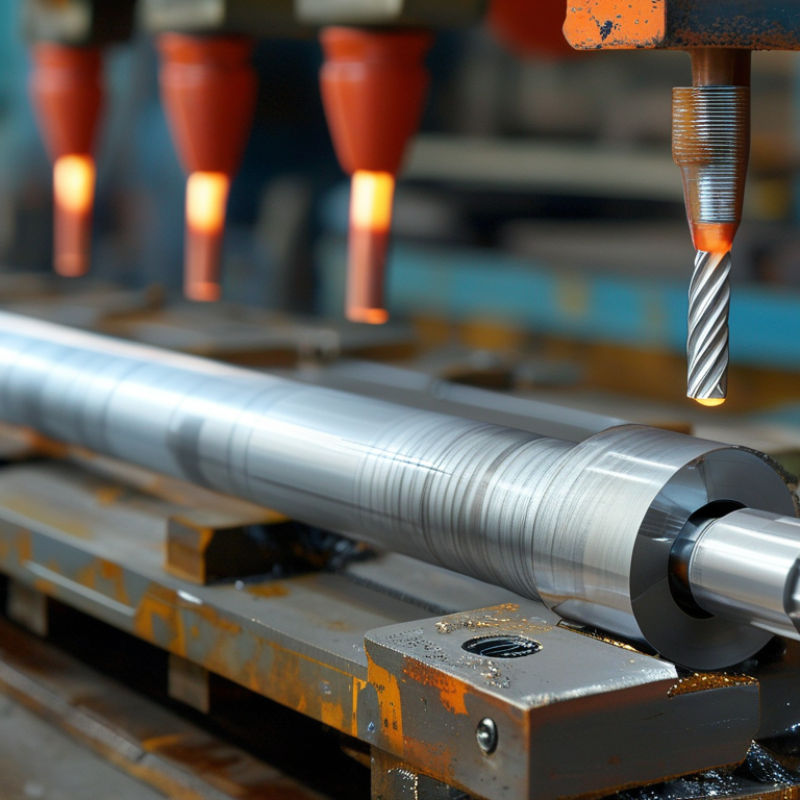
An aluminum drawing machine reduces wire or tube diameter by pulling metal through a precisely sized die. The die compresses the aluminum while extending its length. It looks simple. The process is not.
A typical line includes a payoff, drawing die, capstan, take-up unit, and control system. The payoff releases the coil at a steady speed. The capstan pulls the material through the die. Lubricant lowers friction, heat, and surface damage. A final take-up reel collects the finished product without sharp bends. Experienced operators check die alignment, tension, temperature, and surface appearance during production.
Different designs serve different requirements. Single-block machines suit limited reductions and simpler wire sizes. Multi-block machines achieve larger reductions through several dies. Tandem lines improve output by linking drawing stages. Tube drawing machines use plugs or mandrels to control inner dimensions. Fine-wire, multi-wire, rod, and wet-drawing machines address more specialized production needs.
Material condition matters. Soft aluminum may draw easily but can mark under excessive tension. Harder alloys need careful reduction planning and, sometimes, intermediate annealing. Small errors matter. A poorly selected die angle can create scratches, uneven diameter, or unexpected breaks. In practice, buyers should evaluate alloy range, final tolerance, cooling capacity, maintenance access, and operator controls rather than focusing only on rated speed. Even advanced automation cannot correct unsuitable tooling or inconsistent incoming rod.
Key Differences in Capacity, Process, and Machine Configuration
Top 10 Types of Aluminum Drawing Machines for Global Buyers
Aluminum drawing machines differ mainly by capacity, process, and configuration. The ten common categories include rod breakdown, single-block, multi-block, tandem, bull-block, fine-wire, wet, dry, tube, and profile drawing machines. Rod breakdown units handle large feedstock, while fine-wire machines require tighter tension control. Single-block designs suit flexible production. Multi-block systems deliver higher output, often with synchronized capstans and automatic tension adjustment. Configuration matters more than appearance.
Wet drawing machines use lubricant and coolant around the die, reducing heat during long production runs. Dry systems use less fluid and simplify housekeeping, but they may struggle with demanding reductions. Tube and profile machines need specialized dies, guides, and alignment systems. Typical industrial lines may process several hundred kilograms per hour, while compact lines prioritize small batches and rapid changeovers. Actual capacity depends on alloy, diameter reduction, die count, and final tolerance.
Energy and material choices deserve careful checking. The International Aluminium Institute reports that recycled aluminum requires roughly 5% of the energy used for primary aluminum production. A machine that limits surface damage and scrap can therefore improve operating economics. The U.S. Department of Energy also identifies process efficiency and material efficiency as important decarbonization measures for metal manufacturing. Yet, higher speed is not always better. A fast line with unstable lubrication can create ovality, breaks, and costly rework. Buyers should compare measured output, energy per tonne, cooling design, maintenance access, and trial data—not only catalogue capacity.
Top 10 Types of Aluminum Drawing Machines for Global Buyers
Key differences in capacity, process, and machine configuration are shown through representative finished-product diameter ranges. Actual limits vary with alloy, temper, reduction schedule, tooling, and line design.
The ranges are typical engineering application ranges rather than fixed machine specifications. Multi-die and wet-drawing systems generally support higher productivity and tighter surface control, while single-die and bull-block systems offer simpler configurations for lower-to-medium output requirements.
How to Select the Right Machine for Global Production Needs
Selecting an aluminum drawing machine starts with the product, not the catalog. Ten common types include rod breakdown, fine-wire, multi-wire, tubular, straight-line, slip, non-slip, wet, dry, and tandem machines. Each design suits different diameters, alloys, speeds, and surface requirements.
In factory assessments, I check the incoming rod size, target wire diameter, reduction schedule, and daily output. A rod breakdown machine may suit thick aluminum feedstock, while a fine-wire model needs accurate tension control. Multi-wire equipment can increase output, but it demands stable material quality and skilled maintenance. Wet drawing improves cooling and surface finish. Dry drawing may simplify cleaning and reduce fluid handling.
Production details matter. Ask for actual sample trials, not only brochure speed. Measure wire ovality, tensile strength, surface marks, die wear, and energy use. Check whether the machine handles your local voltage and safety requirements. Confirm spare-part availability, training, remote support, and documented maintenance intervals. These details often decide uptime.
Budget pressure can make a smaller machine look attractive. That choice may become expensive after frequent die changes. I once underestimated the value of automatic tension monitoring. The output looked acceptable, but scrap increased during coil changes. That mistake still shapes my evaluation process. Leave room for imperfect operators, variable rod quality, and future diameter changes. A machine that runs well only under ideal conditions is not ready for global production.
Safety, Maintenance, Standards, and Export Considerations
For global buyers, an aluminum drawing machine is judged beyond drawing speed and motor power. Safety begins with a guarded die area, accessible emergency stops, stable wire tension, and clear lockout procedures. Operators should see the cooling flow and material path without opening hazardous covers. A practical factory inspection should test noise, vibration, temperature, and emergency response under working conditions. Small gaps matter.
Maintenance planning should match the machine’s actual workload. Inspect drawing dies for scoring, check capstan alignment, and record gearbox oil levels at fixed intervals. Cooling filters often collect fine aluminum particles, reducing flow before alarms appear. Keep calibrated tools available for tension and diameter checks. Spare dies, seals, sensors, and electrical fuses should be listed before shipment. Maintenance manuals need drawings, lubrication points, replacement intervals, and fault codes. Some manuals remain too general. That weakness deserves correction.
Export preparation requires careful documentation and early communication. Confirm the destination’s electrical voltage, frequency, earthing requirements, and permitted control components. Safety documentation may need to follow applicable regional machinery and electrical standards, such as CE or other local requirements. Do not treat one certificate as universal approval. Request a factory acceptance test with sample aluminum wire, target diameter, line speed, and measured tolerances. Check the commercial invoice, packing list, serial numbers, HS classification, and wooden-crate treatment documents. Use moisture barriers and shock indicators for long sea transport. A local technician may also need remote training, translated instructions, and a realistic commissioning schedule.
