No Job is Too Big or Too Small!

Top 10 Uses of PP Plastic in Everyday Life?

PP plastic is a versatile material that plays a crucial role in our daily lives. Its durability and lightweight nature make it an ideal choice for various applications. From containers to automotive parts, PP plastic is everywhere. This adaptability allows it to take on forms to meet different needs.

We encounter PP plastic in simple items, like bottles and food packaging. It’s also present in larger appliances, such as car bumpers and home furniture. Despite its benefits, we face challenges with its disposal and environmental impact. For many, understanding these uses of PP plastic highlights its significance and the need for responsible usage.

Exploring the top 10 uses of PP plastic reveals its importance in modern life. We should celebrate its advantages while also considering ways to improve its sustainability. Recognizing the balance between convenience and environmental responsibility is essential. PP plastic shapes our world, for better or worse.
Top 10 Uses of PP Plastic in Everyday Life?

Common Household Items Made from PP Plastic

Polypropylene (PP) plastic is a versatile material found in numerous household items. From food storage containers to furniture, its applications are vast. Research indicates that PP accounts for about 20% of all plastic production. This highlights its importance in daily life.

Many common items are made from PP plastic. Take kitchenware for example. Mixing bowls, measuring cups, and utensils often contain PP due to its durability. It's lightweight and resistant to heat, making it ideal for cooking. However, some may overlook the environmental impact of disposable utensils made from PP. These items are convenient but contribute to plastic waste.

In the living room, PP is common in furniture. Chairs and storage bins frequently use this material. The resistance to stains and easy cleaning are advantages. Yet, there’s a downside. As these items wear down, they can leach harmful chemicals into the environment. Thus, while PP is undoubtedly useful, it raises questions about sustainability and long-term usage.

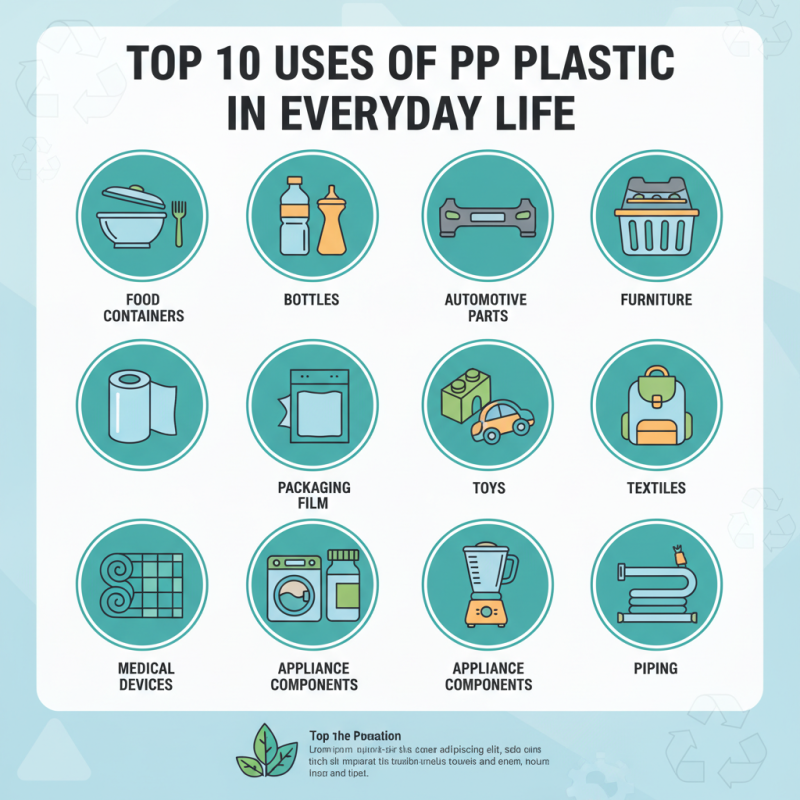
Top 10 Uses of PP Plastic in Everyday Life

Item Use Features
Food Containers Storage of food items Lightweight, durable, microwave-safe
Bottles Water and beverage containers BPA-free, recyclable
Toys Children's play items Tough, safe, colorful
Kitchen Utensils Spoons, spatulas, etc. Heat-resistant, dishwasher-safe
Furniture Outdoor chairs and tables Weather-resistant, lightweight
Packaging Wrapping and protecting products Flexible, moisture-resistant
Medical Supplies Syringes, bottles for medications Sterilizable, safe for use
Car Parts Bumpers, dashboards Impact-resistant, lightweight
Insulation Insulating materials in electronics Electrical resistance, durable
Textiles Rugs, carpets, and upholstery Stain-resistant, durable

Applications of PP Plastic in Food Storage Solutions

Polypropylene (PP) plastic has become a game changer in food storage solutions. It is lightweight yet durable, making it ideal for various containers. These containers often come in different shapes and sizes. They are designed to keep food fresh and safe. The transparency of many PP containers allows users to see contents easily. This reduces waste by helping track what is inside.


However, there are concerns regarding the use of plastic. Some people worry about chemicals leaching into food. Ensuring proper usage is crucial. Avoiding microwaving or exposing PP containers to extreme heat may help mitigate risks. Additionally, while PP can be recycled, it is not always done effectively. This raises questions about sustainability in everyday practices. As plastic use continues, it is important to reflect on these aspects. Balancing convenience and health concerns is vital in modern food storage.

PP Plastic in Healthcare Products and Medical Applications

PP plastic plays a significant role in healthcare products and medical applications. This versatile material is lightweight, durable, and resistant to chemicals. These properties make it ideal for medical use. For instance, many healthcare products, such as syringes, containers, and diagnostic equipment, utilize PP plastic. The choice of this material ensures safety and efficiency in medical environments.

In addition to its durability, PP plastic is easy to sterilize. This is crucial in healthcare settings where cleanliness is paramount. However, the overreliance on plastic raises concerns about waste and environmental impact. Many medical facilities struggle with the disposal of plastic items. Recycling options are often limited, leading to a growing problem with plastic waste.

Furthermore, not all PP products are perfect. Some may not withstand extreme conditions or are prone to degradation over time. This can affect their performance in critical applications. Continuous innovation is necessary to improve the reliability of PP plastic in healthcare. Balancing its benefits with environmental concerns remains a challenge.

Top 10 Uses of PP Plastic in Healthcare Products and Medical Applications

Use of PP Plastic in Automotive Interior Components

Polypropylene (PP) plastic has become a vital material in the automotive industry, particularly for interior components. It boasts excellent durability and resistance to wear. According to data from MarketsandMarkets, the automotive polypropylene market is projected to reach $18 billion by 2025. This growing trend highlights the increasing reliance on PP for various applications.

Components like dashboards, door panels, and seat covers often utilize PP. The plastic's lightweight nature contributes to fuel efficiency. With sustainability becoming crucial, PP is favored due to its recyclability. Some studies indicate that up to 30% of automotive interior components are made from recycled PP. However, challenges remain. Not all vehicles utilize recycled content effectively. This inconsistency affects the overall reduction in carbon footprint.

A significant drawback of PP is its vulnerability to UV exposure, which can cause discoloration over time. Manufacturers must address this to enhance longevity. Despite these challenges, the advantages of using PP in automotive interiors largely outweigh its limitations. The material continues to evolve, promising better options for both manufacturers and consumers. Yet, working towards improved recycling processes and durability is vital for the future.

Sustainable Packaging Solutions Utilizing PP Plastic

Top 10 Uses of PP Plastic in Everyday Life?

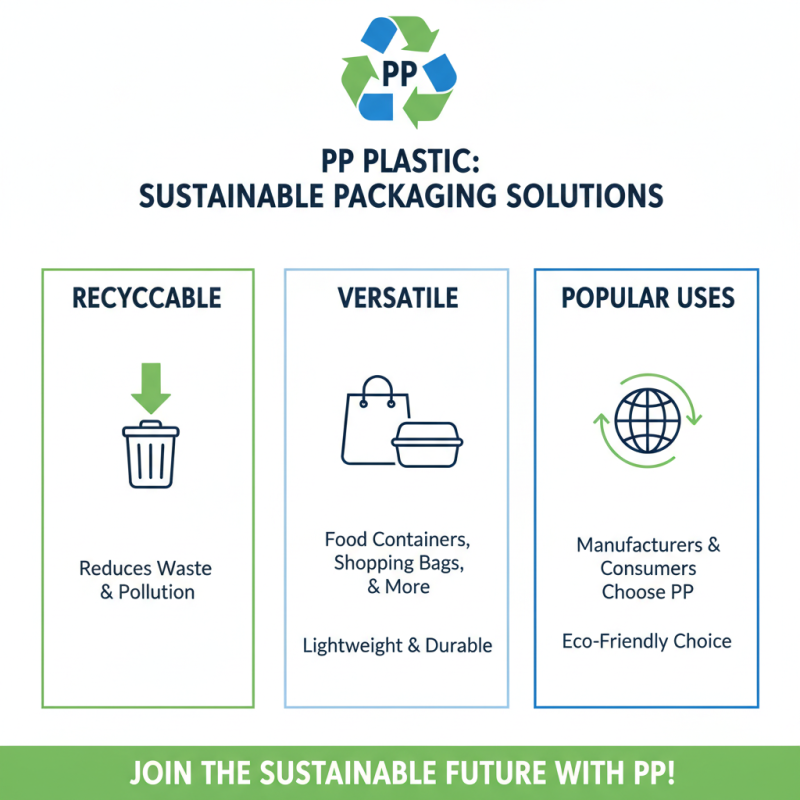
PP plastic, or polypropylene, has become a go-to material for sustainable packaging solutions. It is recyclable, reducing waste and pollution. Many products today use PP plastic for their packaging needs. From food containers to shopping bags, PP offers a lightweight yet durable option. This versatility makes it appealing to both manufacturers and consumers.

However, the use of PP plastic is not without its challenges. While recyclable, many people do not properly dispose of it. This results in more plastic in landfills and oceans. Educating consumers on recycling practices is crucial for maximizing environmental benefits. Furthermore, the production process of PP can involve fossil fuels, raising sustainability concerns.

Still, advancements in technology are paving the way for greener alternatives. Biodegradable PP options are emerging, aiming to reduce the carbon footprint. Innovations like these make it easier to choose eco-friendly solutions in our daily lives. It is essential to remain critical and reflective on our choices when it comes to packaging. Only through conscious decision-making can we improve sustainability efforts.