
No Job is Too Big or Too Small!
How to Use Polypropylene Injection Molding for Efficient Production?
Polypropylene injection molding is a powerful method used in various manufacturing industries. This process enables the production of complex shapes efficiently and cost-effectively. With its lightweight and durable properties, polypropylene is an ideal choice for numerous applications. However, maximizing the benefits requires a clear understanding of its use.
Many manufacturers may overlook critical details in the injection molding process. The selection of parameters, such as temperature and pressure, can significantly impact the final product's quality. While the potential for efficiency is high, improper settings can lead to defects. This highlights the importance of expertise in polypropylene injection molding.
In recent years, the technology has evolved, introducing more advanced machinery. This aids in achieving better precision and consistency, yet adapting to new systems can be challenging. Manufacturers must invest time in training and development. Continuous improvement is essential for staying competitive in today’s market.
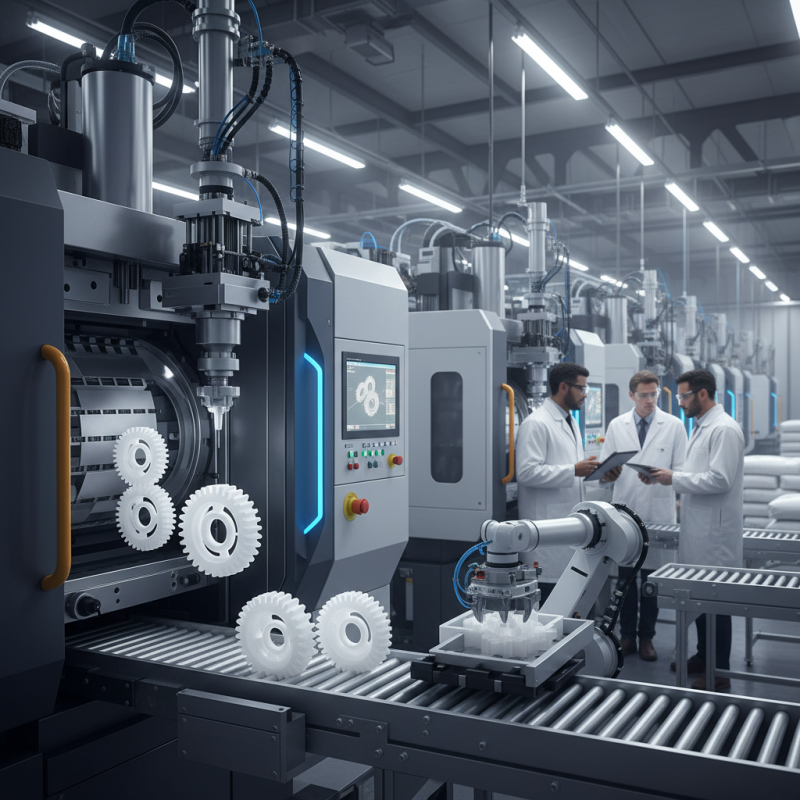
Understanding Polypropylene and Its Properties for Injection Molding
Polypropylene (PP) is a versatile thermoplastic widely used in injection molding. Its unique properties contribute to its efficiency in production processes. Polypropylene has excellent chemical resistance and is lightweight. According to a 2022 industry report, polypropylene usage in injection molding has increased by 15% over the last five years. This surge highlights its growing importance in various sectors, from automotive to consumer goods.
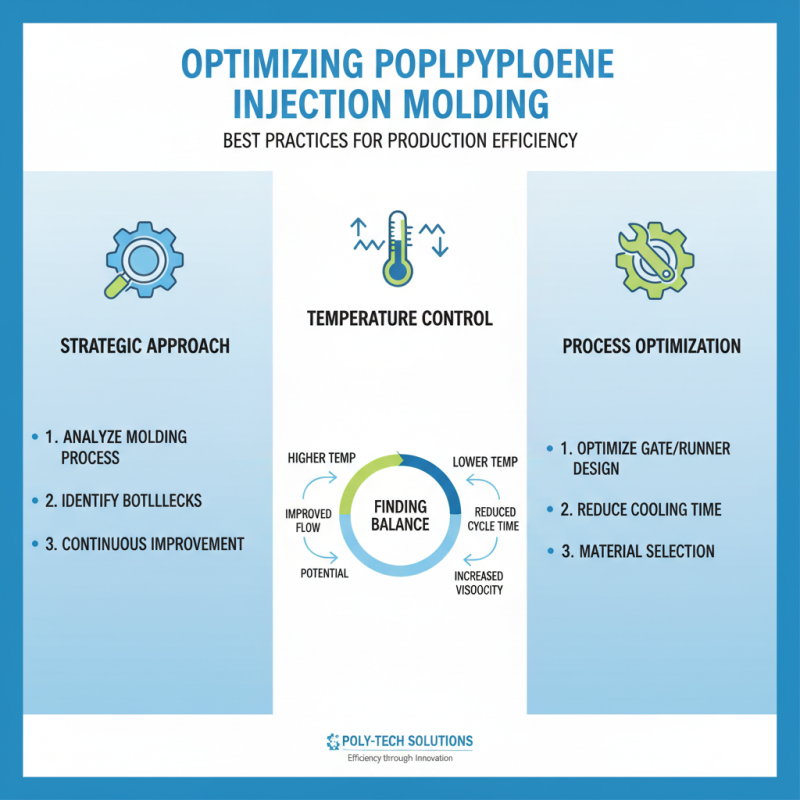
One of the key features of polypropylene is its high melting point, which ranges from 160°C to 170°C. This characteristic allows for faster cycle times during the molding process. Additionally, polypropylene's flexibility enables manufacturers to achieve intricate designs with ease. However, it’s crucial to consider the balance between cost and performance. While polypropylene is generally affordable, variations in additives can lead to increased expenses.
Tip: Always ensure proper temperature control during injection molding. This helps maintain the integrity of the final product. Another important aspect is to conduct thorough quality checks. Variations in the resin quality can impact mold performance. It is vital to source materials from reliable suppliers to minimize production issues. Consistent testing will lead to better outcomes and reduced waste in production.
How to Use Polypropylene Injection Molding for Efficient Production?
| Property | Value | Importance for Injection Molding |
|---|---|---|
| Melt Flow Index | 1-35 g/10 min | Determines ease of flow during molding |
| Density | 0.90 - 0.91 g/cm³ | Affects the weight and strength of the molded part |
| Tensile Strength | 30 - 50 MPa | Indicates resistance to applied force |
| Impact Resistance | High | Essential for durability of molded parts |
| Thermal Stability | Up to 100°C | Affects the processing temperature |
| Colorability | Good | Facilitates aesthetic customization of products |
Related Posts
-
7 Reasons Why Polypropylene Injection Molding is the Best Choice for Your Project
-
How to Optimize Your Process for Polypropylene Injection Molding Success
-
Top 10 Benefits of Polypropylene Injection Molding for Manufacturing?
-
Top 10 Benefits of Polypropylene Injection Molding for Manufacturers?
-
Exploring the Future of Plastic Angle Products at the 138th Canton Fair 2025 in China
-
10 Essential Tips for Choosing the Right Plastic Material for Your Project?