What Is the Best Injection Moulding Process in 2026?
Choosing the best injection moulding process in 2026 is not a simple technology contest. It depends on part geometry, resin behavior, production volume, tooling cost, and energy targets.
The market is expanding, but the figures require careful interpretation. Grand View Research valued the global injection molded plastics market at approximately USD 387 billion in 2023. Its report forecasts continued growth through 2030. MarketsandMarkets also projects steady expansion in the injection molding machine market. These trends reflect stronger demand for lightweight automotive parts, medical components, packaging, and electronics housings. However, market growth does not guarantee that every factory needs electric, hydraulic, or hybrid equipment.
John Bozzelli, founder of RJG and a leading scientific molding specialist, describes the core principle clearly: “Scientific molding is a systematic approach to establishing and maintaining a robust process.” That statement still matters in 2026. A modern electric machine may reduce energy use and improve repeatability. A hydraulic machine may remain more practical for certain large parts or constrained budgets. Hybrid systems can offer a useful compromise, though their benefits depend on actual operating conditions.
The best choice begins with measurable evidence. Engineers should compare cycle time, injection pressure, cooling performance, scrap rate, maintenance requirements, and total cost per part. A glossy machine specification is not enough. Sometimes, the most advanced solution performs poorly beside an unstable mold. This article examines the leading injection moulding process options and the trade-offs behind each decision. There is no universal winner. That conclusion may sound less impressive, but it is more reliable.
Injection Moulding Process Fundamentals and 2026 Industry Requirements
What Is the Best Injection Moulding Process in 2026?
Injection moulding fundamentals still begin with four controlled stages: plasticising, filling, packing, and cooling. Each stage affects dimensional accuracy, surface finish, and cycle time. Cooling decides quality. A stable melt temperature reduces flow hesitation and weld-line defects, while balanced gate design limits uneven pressure. Clamp force must match projected area, cavity pressure, and safety margins. ISO 20430:2020 provides useful safety guidance for injection moulding machinery, but shop-floor validation remains essential.
In 2026, the best process must also control energy, material use, and production evidence. PlasticsEurope reported global plastics production of 413.8 million tonnes in 2023. The figure makes scrap reduction commercially important, not merely environmental. The OECD Global Plastics Outlook found that only 9% of plastic waste was recycled in 2019. Process engineers should therefore evaluate recycled content, drying conditions, contamination risk, and repeated regrind effects. A lower-cost material can create higher rejection rates.
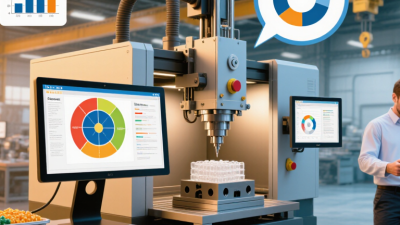
Digital monitoring is becoming a practical requirement. Sensors can record melt pressure, cavity pressure, barrel temperature, cycle time, and cooling performance for every batch. That data supports traceability and faster root-cause analysis. However, more sensors do not guarantee better moulding. We often collect data without changing decisions. A robust 2026 workflow links measurements to acceptance limits, maintenance checks, and documented trial results. The ideal process is not the fastest cycle; it is the most repeatable cycle that meets product, energy, and material requirements.
What Is the Best Injection Moulding Process in 2026?
The best injection moulding process depends on resin, part geometry, dimensional requirements, production volume, energy use and regulatory needs. The chart compares representative processing temperatures for widely used thermoplastics. Actual settings must be validated against the material supplier’s processing guide, mould design and machine capability.
Key 2026 Selection Priorities
- Use precise process control to maintain dimensional stability and repeatable quality.
- Select energy-efficient machines, optimized cooling and short, stable cycle times.
- Design for material compatibility, recycled-content targets and end-of-life considerations.
- Apply process monitoring and traceability for demanding automotive, medical and technical applications.
- Validate melt temperature, mould temperature, injection speed, packing pressure and cooling time for every material and tool combination.
Material Selection for Quality, Performance, and Sustainability
What Is the Best Injection Moulding Process in 2026?
Material selection now shapes quality, performance, and sustainability. The right resin reduces defects before tooling begins. For high-impact housings, engineers may choose reinforced polycarbonate or recycled-content blends. However, recycled feedstock can vary in moisture, colour, and melt flow. That variation needs testing.
PlasticsEurope’s Plastics – the Fast Facts 2024 reports about 400.3 million tonnes of global plastics production in 2022. The OECD Global Plastics Outlook also found that only 9% of plastic waste was recycled in 2019. These figures make material efficiency more than a marketing claim. A lighter part can reduce resin use and transport weight. Yet excessive lightweighting may create thin corners, sink marks, or early cracking. I have seen attractive prototypes fail after repeated heat cycles. Material data must include real temperatures, loads, and ageing conditions.
Tips: Compare virgin and recycled grades using the same mould settings. Check melt flow, shrinkage, impact strength, and moisture absorption. Dry hygroscopic materials carefully. Keep traceability records for every batch. Do not assume a bio-based resin is automatically sustainable; cultivation, processing, durability, and end-of-life also matter. A material with a lower carbon footprint may still perform poorly in a repair-critical component. That trade-off deserves a second review.
Comparing Conventional, Multi-Material, and Advanced Moulding Methods
What Is the Best Injection Moulding Process in 2026?
Comparing Conventional, Multi-Material, and Advanced Moulding Methods
Conventional injection moulding remains practical for high-volume parts with stable geometry. It uses one material, one colour, and a well-understood production routine. Cycle times are predictable, and tooling costs are usually easier to control. However, secondary assembly may add labour, alignment errors, and visible seams. Engineers should inspect actual defect data, not rely only on supplier claims.
Multi-material moulding combines different materials or colours in one moulding cycle. It can create soft-touch grips, sealed interfaces, and integrated functional zones. This method may reduce assembly steps, but material compatibility is critical. Uneven shrinkage can cause warpage or weak bonding. A small laboratory sample may look perfect, yet production conditions can expose problems.
Advanced moulding includes in-mould monitoring, microcellular structures, insert moulding, and precise electric control. These methods can reduce weight, improve repeatability, or support complex part functions. They also demand stronger process validation and better operator training. The newest method is not always the best method. Sometimes, it simply adds cost.
Tips: Define the part’s function before selecting the process. Check temperature windows, shrinkage, joining strength, and expected annual volume. Request test data from production-like tools. Review failed samples openly. They often reveal more than polished presentations. Keep a fallback design when material supply or tooling changes.
Automation, Digital Monitoring, and Energy Efficiency in 2026
What Is the Best Injection Moulding Process in 2026?
Automation, Digital Monitoring, and Energy Efficiency in 2026
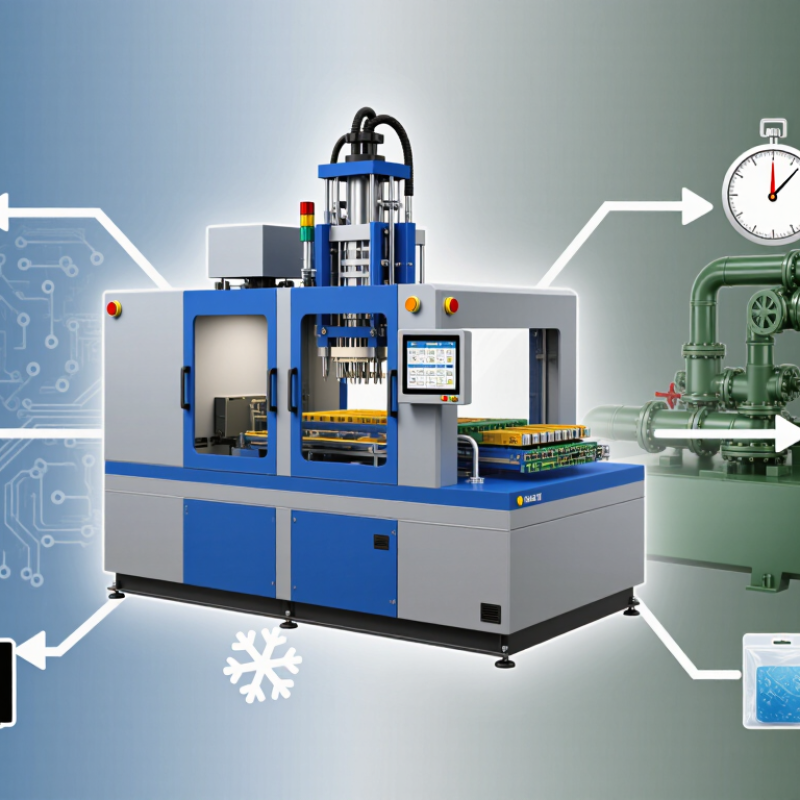
In 2026, the best injection moulding process is not simply the fastest cycle. It is a controlled system that combines automation, stable tooling, and measurable energy use. Robotic part removal can reduce handling errors and protect operators from repetitive tasks. Automated inspection also checks dimensions, colour, and surface defects while production continues. Small sensors matter. They record pressure, temperature, vibration, and cooling performance during each cycle.
Digital monitoring helps engineers identify changes before defective parts fill a production bin. A gradual rise in mould temperature may indicate blocked cooling channels or worn equipment. Process data should connect with material batches, maintenance records, and inspection results. This traceability supports practical decisions, not attractive dashboards with little value. Experienced technicians still need to review unusual readings. Algorithms can miss a defect when the reference data is incomplete.
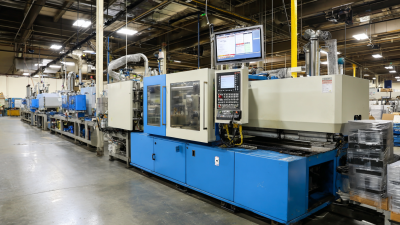
Energy efficiency now depends on the entire machine and moulding routine. Servo-driven equipment, reduced holding time, and properly sized heaters can lower consumption. Measuring kilowatt-hours per kilogram gives a clearer comparison between products. However, energy savings may create slower cycles or unstable filling if settings change too aggressively. That trade-off deserves testing. A short trial with real materials, actual mould temperatures, and production-speed targets is more reliable than a brochure estimate. I have found that simple improvements, such as fixing compressed-air leaks and insulating hot surfaces, are often overlooked. Automation is powerful, but it still needs disciplined maintenance and human judgement.