No Job is Too Big or Too Small!

Top Tips for Sourcing Polypropylene Plastic Efficiently?

When sourcing polypropylene plastic, efficiency is key. This versatile material is widely used in various industries, such as packaging, automotive, and textiles. Its lightweight nature and durability make it a popular choice. However, finding the right source can be challenging.

Many organizations face difficulties in sourcing quality polypropylene plastic. Issues can arise from inconsistent suppliers or fluctuating prices. Understanding how to navigate these challenges is essential. Establishing strong relationships with reliable suppliers can lead to better deals and consistent material quality.

Research plays a vital role in this process. Knowing the market trends helps in making informed decisions. Yet, it’s crucial to remain flexible. Sometimes, alternative suppliers might offer better options. Regularly evaluating your sourcing strategy ensures that you stay competitive.

Top Tips for Sourcing Polypropylene Plastic Efficiently?

Understanding Polypropylene Plastic and Its Applications

Polypropylene plastic is a versatile material widely used in different industries, from packaging to automotive. Its unique properties, such as chemical resistance and durability, make it appealing. According to the International Association of Plastics Distribution, the global polypropylene market was valued at approximately $100 billion in 2021, with a substantial annual growth rate projected.

This polymer's lightweight nature significantly reduces transportation costs, which benefits manufacturers. However, sourcing polypropylene efficiently poses challenges. Quality varies based on suppliers and production methods. Research indicates that over 20% of businesses experience supply chain disruptions due to inconsistent material quality. Becoming familiar with suppliers and their production practices is essential for maintaining standards.

Understanding the applications of polypropylene helps in sourcing decisions. The material is used in consumer products, textiles, and industrial applications. Yet, there can be environmental concerns. Approximately 9% of polypropylene is recycled, highlighting the need for better circular economy practices. Identifying sustainable sourcing options can mitigate these issues while ensuring quality and availability. By focusing on reliable suppliers, companies can enhance their production flow while addressing environmental impacts. The industry's commitment to improving sourcing efficiency involves balancing quality and sustainability.

Top Tips for Sourcing Polypropylene Plastic Efficiently

Application Properties Sourcing Tips Environmental Impact
Packaging Lightweight, Durable, Moisture Resistant Seek suppliers with high-density sourcing Recyclable, reduces landfill waste
Automotive Parts High Impact Strength, Chemical Resistant Negotiate bulk purchasing contracts Recyclable, promotes sustainable manufacturing
Textile Applications Soft, Lightweight, Washable Research suppliers with specialized textiles Potential water pollutant if not managed
Medical Supplies Sterilizable, Biocompatible Verify certifications for medical-grade materials Requires proper disposal methods
Consumer Goods Versatile, Cost-effective Explore local suppliers to reduce transport emissions Can be recycled into new products

Identifying Reliable Suppliers for Polypropylene Plastic

Top Tips for Sourcing Polypropylene Plastic Efficiently?

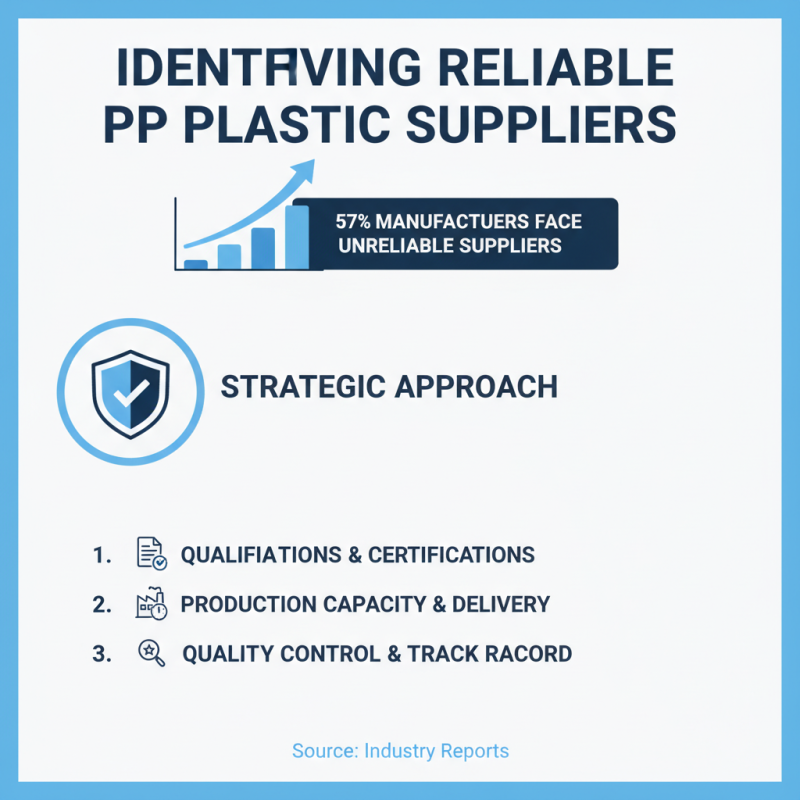
When sourcing polypropylene plastic, identifying reliable suppliers is crucial. Data from industry reports indicate that about 57% of manufacturers face challenges in supplier reliability. This highlights the need for a strategic approach.

Start by evaluating the supplier’s background. Look for years of experience and client reviews. Suppliers with over a decade in the industry often have a proven track record. Companies that prioritize transparency tend to build trust. You may want to reach out directly to their references. This can reveal critical insights about their delivery timelines and quality control.

Another aspect to consider is the geographic location of suppliers. Proximity can significantly reduce transportation costs and lead times. According to logistics studies, sourcing locally can cut costs by up to 30%. However, do not overlook international suppliers if they offer better pricing or unique material grades. Always verify certifications and compliance with industry standards. Inadequate oversight of supplier practices can lead to subpar materials. Be mindful that not all suppliers maintain the same quality assurance processes. Personal visits or audits can help ensure standards are met—when feasible, this can be invaluable.

Evaluating Quality Standards and Certifications for Polypropylene

When sourcing polypropylene plastic, evaluating quality standards and certifications is crucial. Different certifications indicate the material's safety and reliability. Look for ISO 9001 certification, which ensures consistent quality management. This standard reflects the manufacturer’s commitment to high-quality production processes.


Consider ensuring that the polypropylene meets industry-specific standards. For example, FDA compliance is essential for food-grade applications. Choosing suppliers with verified certifications eliminates risks. Engage with suppliers who offer transparent documentation of their quality control measures.


When assessing potential suppliers, do not overlook their production methods. Often, these methods reflect product quality. Review their materials sourcing practices. Ask about their recycling processes. A well-managed supply chain can directly influence the integrity of polypropylene. Listen to industry feedback and seek recommendations. This can refine your selection process.

Negotiating Pricing and Terms for Bulk Polypropylene Purchases

When negotiating pricing and terms for bulk polypropylene purchases, preparation is essential. Research suppliers thoroughly to understand their pricing structures. This allows you to identify reasonable price ranges and helps you set clear expectations. A well-prepared buyer can negotiate effectively, often leading to better deals.

Consider establishing long-term relationships with suppliers. They may provide you with preferred pricing or extra services. An ongoing partnership can lead to better reliability and quality assurance. Evaluate each supplier’s history and reputation in the industry. Look for testimonials or past experiences from other buyers.

It's crucial to be open to compromise. Sometimes, price is not the only factor. Be willing to negotiate on delivery times, payment terms, or order sizes. This flexibility can enhance your negotiating power. Ultimately, aim for a deal that benefits both parties, fostering a collaborative rather than adversarial relationship.

Lastly, do not underestimate the impact of effective communication. Clear and respectful dialogue can pave the way for smoother negotiations. While it's important to advocate for your needs, recognize the supplier’s perspective as well. Approaching negotiations thoughtfully can lead to successful outcomes.

Top Tips for Sourcing Polypropylene Plastic Efficiently

Exploring Sustainable Sourcing Options for Polypropylene Plastic

Top Tips for Sourcing Polypropylene Plastic Efficiently?

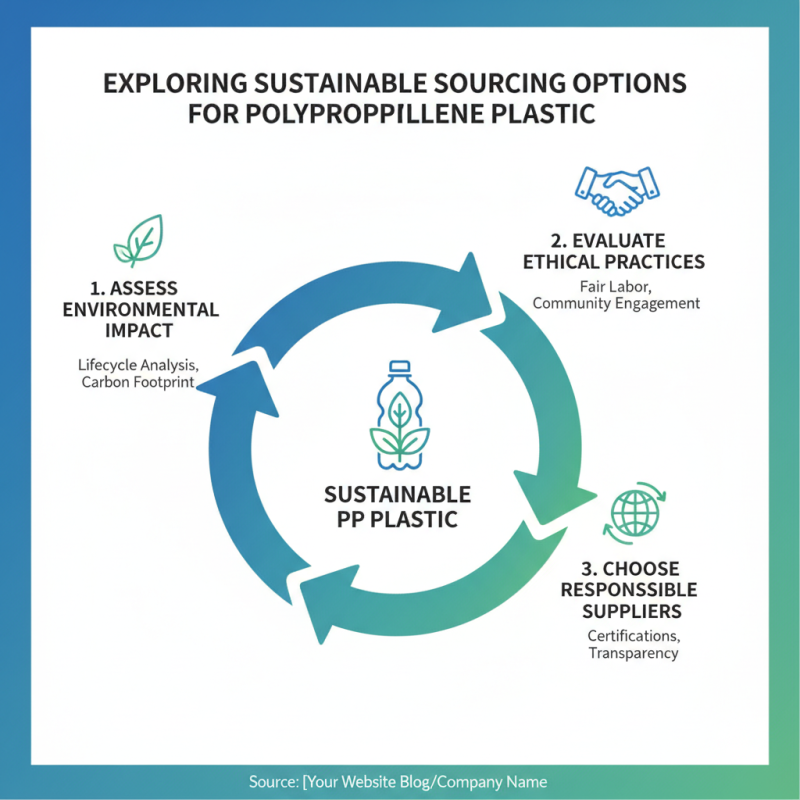
Sourcing polypropylene plastic sustainably is crucial in today's environmental landscape. Many companies struggle with ensuring their materials come from responsible sources. An important step involves assessing the impact of sourcing decisions. Evaluating suppliers based on ethical practices can guide businesses toward better options.

One effective approach is to prioritize recycled polypropylene. This material has a lower environmental footprint than virgin polypropylene. However, sourcing recycled material can sometimes lead to quality variations. Companies must be prepared to address these inconsistencies. They might need to develop stringent quality controls to maintain standards.

Additionally, exploring local suppliers can enhance sustainability. By reducing transportation distances, businesses can cut their carbon footprint. Local sourcing may also support community economies. However, local availability is not always guaranteed. Companies should remain flexible and seek partnerships with multiple suppliers. This strategy can help navigate the challenges of sourcing sustainably while meeting quality expectations.