No Job is Too Big or Too Small!

China Top 10 Injection Molded Parts Manufacturers?

Injection molded parts sit quietly inside medical devices, vehicle dashboards, appliances, and everyday electronics. Their surfaces may look simple. Their production is not. A small gate mark, uneven wall, or 0.1-millimeter variation can affect assembly, durability, and customer trust.

Grand View Research valued the global injection molded plastics market at approximately USD 284.7 billion in 2023. Its report also forecasts continued growth through 2030, supported by automotive lightweighting, healthcare demand, consumer electronics, and recyclable polymer development. PlasticsEurope reported global plastics production of about 413.8 million tonnes in 2023. These figures show scale, but they do not automatically prove supplier quality. Capacity can hide weak process control.

As John Bozzelli, founder of Injection Molding Solutions, explains, “The goal is not merely to fill a mold, but to control the process that fills it.” That principle guides this review of China’s top 10 injection molded parts manufacturers. The assessment considers tooling experience, material knowledge, dimensional inspection, ISO certifications, automation, production traceability, and export performance. Factory visits, sample approvals, and customer references still matter. Data cannot replace them.

No ranking is perfect. Some manufacturers publish limited information. Others excel in one sector but lack medical or automotive validation. That weakness deserves attention. The companies highlighted here were selected for practical manufacturing evidence, not marketing language alone. Their capabilities may suit different projects, from two-shot housings and precision gears to large automotive panels. Buyers should still verify current equipment, resin availability, mold ownership, quality records, and realistic lead times before signing a contract.
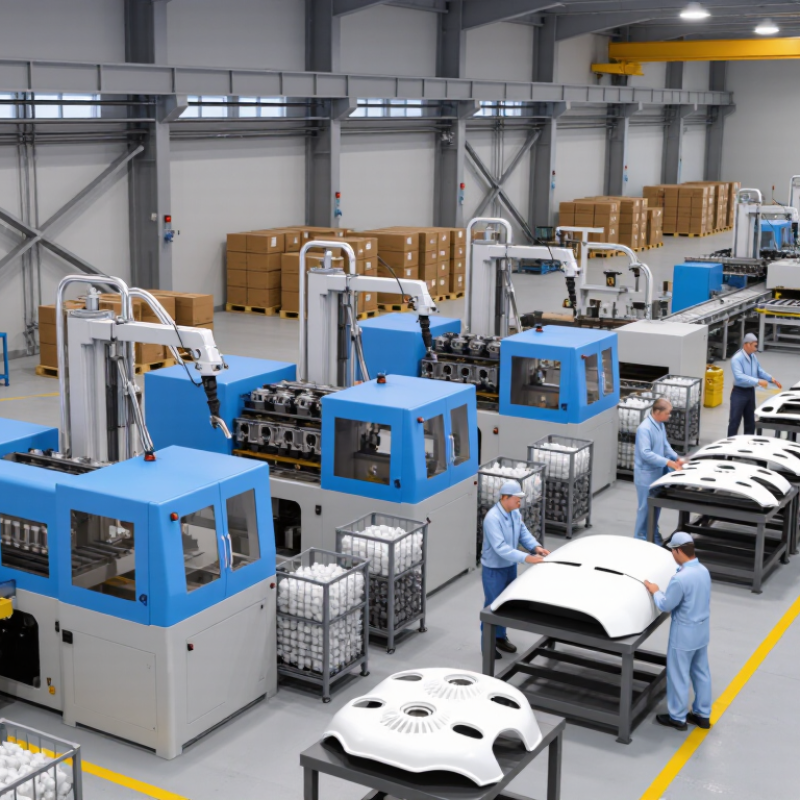
China Top 10 Injection Molded Parts Manufacturers?

What Are Injection Molded Parts and How Are They Made?

Injection molded parts are solid components formed by forcing molten plastic into a shaped metal mold. The process begins with small resin pellets. A heated barrel melts them, while a rotating screw pushes the material forward. Hydraulic or electric pressure then fills the closed cavity, copying details such as ribs, clips, threads, and textured surfaces.

Cooling follows. The mold opens, and ejector pins release the finished part. Cycle times can range from a few seconds to several minutes, depending on wall thickness and resin choice. PlasticsEurope’s Plastics—The Fast Facts 2024 reported global plastics production of 413.8 million tonnes in 2023. That scale explains why molding remains important for automotive, medical, electronics, and household products. However, high volume does not guarantee perfect quality.

Engineers must control moisture, melt temperature, injection speed, and cooling balance. Poor settings may create warping, sink marks, short shots, or visible weld lines. A 2023 report from Grand View Research identified packaging as a major application area for injection molding machinery, reflecting the demand for lightweight, repeatable parts. Yet recycled content can change shrinkage and flow behavior. That detail is easy to underestimate. Practical validation still requires mold-flow analysis, sample testing, dimensional inspection, and careful review of real production conditions.

How to Evaluate China’s Injection Molded Parts Manufacturers

How to Evaluate China’s Injection Molded Parts Manufacturers

A credible China Top 10 list should measure capability, not advertising. Grand View Research valued the global injection molding machine market at about USD 15.3 billion in 2023. This growth increases supplier choices, but also hides uneven process control. Ask for recent production evidence. Examine dimensional reports, material certificates, mold maintenance logs, and corrective-action records. ISO 9001 certification helps, but it does not guarantee stable parts. I have seen impressive samples fail after several production cycles. Samples lie.

Evaluate the complete manufacturing chain. Check mold design reviews, resin drying, machine calibration, cavity balance, and operator training. Request capability studies using Cp and Cpk, with the acceptance threshold agreed before production. For tight parts, reference ISO 20457 tolerances and confirm measurement equipment calibration. For material performance, use recognized methods such as ASTM D638 for tensile testing. The International Organization for Standardization also recommends structured sampling through ISO 2859-1. Ask whether inspection occurs during molding, not only before shipment. That detail matters. Cost should include tooling corrections, scrap, packaging, freight, and validation delays. A low quotation can become expensive quickly. Review traceability down to batch number and machine number. Audit the factory remotely or in person, and interview the engineers handling your tooling. No evaluation is perfect. Your scoring model may still overvalue certificates and undervalue communication during a failure. That weakness deserves review.

China Top 10 Injection Molded Parts Manufacturers? - How to Evaluate China’s Injection Molded Parts Manufacturers

No. Evaluation Dimension What to Verify Recommended Benchmark Required Evidence Suggested Weight
1 Quality Management System Confirm whether the factory operates a documented quality management system covering incoming materials, production, inspection, nonconforming products, and corrective actions. Valid ISO 9001 certification issued by an accredited certification body; documented inspection and corrective-action procedures. Current certificate, scope of certification, internal audit records, inspection procedures, and sample corrective-action reports. 15%
2 Engineering and DFM Capability Evaluate the supplier’s ability to review part geometry, draft angles, wall thickness, ribs, bosses, weld lines, shrinkage, and moldability before tooling begins. Formal design-for-manufacturing review with 3D mold-flow analysis for complex, cosmetic, or high-volume parts. Sample DFM reports, mold-flow results, engineering change records, and approval workflow. 12%
3 Mold Design and Tooling Control Review mold design standards, steel selection, cooling layout, venting, ejection, cavity balance, maintenance, and spare-part management. Mold design approval before machining, traceable steel certificates, controlled revisions, and documented preventive maintenance. Mold drawings, steel certificates, cavity layouts, maintenance schedules, and trial-shot reports. 12%
4 Machine and Process Capacity Check whether available injection machines can support the required shot size, clamping force, mold dimensions, material type, and production volume. Machine capacity matched to the part and mold specifications, with documented process parameters and preventive maintenance. Machine list, calibration records, maintenance logs, process sheets, and production-capacity calculations. 10%
5 Material Traceability Confirm resin identification, lot control, drying requirements, regrind policy, additives, and material substitution controls. 100% traceability from resin lot to production batch, with customer approval required for material changes. Material certificates, supplier declarations, lot records, drying logs, and regrind-control procedures. 10%
6 Dimensional and Cosmetic Inspection Assess inspection of critical dimensions, appearance, flash, sink marks, warpage, short shots, color, texture, and assembly fit. Inspection plan based on drawing tolerances and approved cosmetic standards; calibrated measurement equipment available. FAI reports, control plans, inspection records, gauge-calibration certificates, and approved defect samples. 12%
7 Special Process Compliance Verify controls for insert molding, overmolding, ultrasonic welding, pad printing, painting, plating, assembly, or other secondary operations. Qualified subcontractors or in-house processes with documented process validation and batch-level inspection. Process qualification records, subcontractor audits, adhesion or strength test results, and traceability documents. 8%
8 Production Scalability Determine whether the supplier can move from prototyping to stable mass production without changing quality standards or delivery commitments. Documented pilot-run approval, capacity planning, backup equipment, and production scheduling controls. Capacity plans, pilot-run data, OEE records, staffing plans, and business-continuity procedures. 8%
9 Delivery and Communication Measure quotation speed, engineering response time, project reporting, lead-time accuracy, change control, and shipment reliability. Named project contact, milestone schedule, weekly status reporting, and documented corrective action for delays. Project schedule, communication matrix, delivery-performance history, and escalation procedure. 7%
10 Compliance, Sustainability, and Total Cost Evaluate regulatory support, ethical sourcing, environmental controls, packaging, tooling ownership, payment terms, logistics, and total landed cost. Applicable ISO, REACH, RoHS, conflict-minerals, or industry-specific documentation supplied when required; transparent cost structure. Compliance declarations, environmental certificates, supplier code of conduct, detailed quotation, and logistics plan. 6%
Total Evaluation Weight 100%
Evaluation Note: A supplier should be shortlisted only after document review, sample approval, capability assessment, and an on-site or independent third-party audit. Technical tolerances, material specifications, regulatory requirements, and acceptance criteria should always be confirmed on the approved product drawings and purchase documents.

China’s Top 10 Injection Molded Parts Manufacturers

China’s Top 10 Injection Molded Parts Manufacturers

China’s leading injection molded parts manufacturers support automotive, medical, electronics, appliance, and industrial projects. Their strengths usually include mold design, precision molding, secondary assembly, and quality inspection. A capable supplier should explain resin selection, shrinkage control, tolerance limits, and production risks before quoting. Experience matters here. Fit matters.

The strongest manufacturers use documented process controls, calibrated measuring equipment, and traceable inspection records. They can provide sample parts, mold-flow feedback, dimensional reports, and stable production schedules. I have found that clear communication often predicts better results than a low initial price.

However, no top-ten list is perfect. Rankings may change with tooling complexity, order volume, certification needs, and delivery location. Some factories excel at tight medical tolerances, while others perform better with large housings or rapid prototypes. Buyers should review recent samples, audit production areas, and confirm how defects are handled. Ask about steel grades, mold maintenance, resin certificates, and packaging protection. Small details matter. A polished presentation cannot replace consistent parts from real production batches.

How the Top Manufacturers Compare by Capabilities and Industries

China’s top 10 injection molded parts manufacturers differ more in capability than in production volume. Some specialize in tight-tolerance automotive components, while others focus on consumer electronics, medical devices, or industrial housings. Their strengths often include mold design, CNC machining, rapid prototyping, and automated inspection. However, a large factory is not always the best fit. Process discipline matters more.

The strongest suppliers usually control several stages in-house. They can adjust resin selection, mold cooling, cycle time, and surface finish with measured data. Automotive suppliers may offer high-temperature materials and traceability. Medical-focused facilities often provide controlled environments and stricter validation records. Electronics specialists usually excel at thin walls, complex clips, and cosmetic surfaces. These differences affect pricing, delivery risk, and long-term consistency. I have found that material knowledge can prevent more failures than impressive equipment lists. Still, factory claims should be tested against samples and production records.

Tips: Ask for capability sheets, inspection reports, and recent case studies. Check tolerance results on parts similar to yours. Confirm resin certificates and mold maintenance procedures. A short pilot run is useful. It may reveal warpage, flash, or assembly problems before full production. Do not rely only on online ratings; they can be incomplete. A supplier may appear technically strong, yet communication gaps can slow every engineering change.

How to Select the Right Chinese Manufacturer for Your Project

China Top 10 Injection Molded Parts Manufacturers?

How to Select the Right Chinese Manufacturer for Your Project

A strong supplier is not always the largest factory. Match its equipment, process control, and tooling experience to your part. Ask for examples with similar resin, wall thickness, tolerances, and annual volume. A supplier making simple housings may struggle with precision components.

Request a clear technical review before signing. The manufacturer should discuss mold steel, gate location, cooling channels, cycle time, and shrinkage risks. Ask whether engineers use mold-flow analysis and record design changes. Reliable teams provide inspection plans, material certificates, first-article reports, and traceable batch records. Check whether their machines can handle your required clamp force and shot size.

Visit the facility, or arrange a live video audit. Look at the tool room, molding floor, measuring equipment, and warehouse labels. Speak with the quality manager, not only the sales contact. Confirm response times, spare-part planning, packaging tests, and corrective-action procedures. Samples can look excellent while production control remains weak. Not always. Compare total cost, including mold maintenance, rejected parts, freight, and engineering changes. Some decisions still feel uncertain. Record each risk, assign an owner, and approve a small pilot run before full production.

This practical evaluation model shows how buyers can weight the main factors when selecting a Chinese injection molded parts manufacturer. Quality capability, tooling expertise, production capacity, communication, and total cost should be assessed together rather than by price alone.