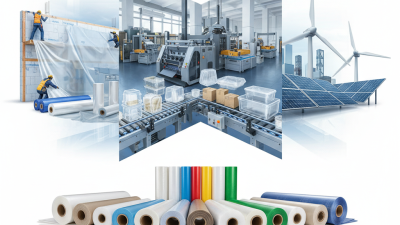
Polypropylene plastic, a versatile polymer, is widely used in various industries. Its unique properties make it essential in everyday applications. With a high resistance to chemical fatigue and moisture, this plastic stands out among others. It is lightweight, durable, and easily molded into different shapes.
In the packaging industry, polypropylene plastic is common for containers and wraps. It aids in preserving food and enhancing shelf life. In the automotive sector, manufacturers use it for interior and exterior parts, contributing to fuel efficiency. Moreover, the medical field benefits from polypropylene plastic for surgical applications, where sterility and safety are crucial.
Yet, the environmental impact of polypropylene plastic raises questions. Its longevity in landfills poses challenges for sustainability. There is a need for improvement in recycling processes. Exploring these applications provides insight into its efficiency and the necessity for responsible use. Understanding both benefits and drawbacks assists us in making informed choices in the future.
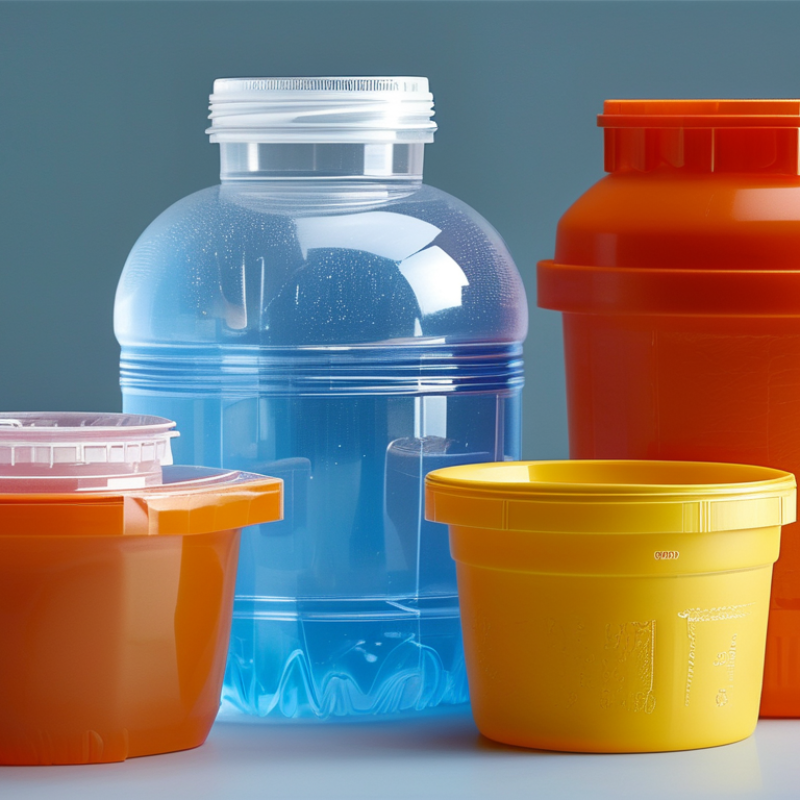
Polypropylene plastic is a versatile material that plays a significant role in the packaging industry. Its lightweight characteristic makes it ideal for reducing shipping costs. Many products, from food to cosmetics, utilize polypropylene containers. This plastic is resistant to moisture, which helps preserve the quality of packaged goods. It is often chosen for flexible packaging due to its strong yet flexible nature.
In addition to durability, polypropylene offers recyclability. This aspect can be a double-edged sword. While it promotes sustainability, not all consumers are aware of proper recycling methods. Proper disposal remains a challenge in many regions. In some cases, confusion around recycling symbols leads to contamination and decreased recycling rates. Education on polypropylene’s recyclability is essential for enhancing its environmental benefits.
Another aspect worth noting is the potential for leaching. Although polypropylene is generally considered safe, concerns about its interaction with food products exist. Studies show varying results on whether certain conditions can lead to chemical migration. This uncertainty may deter some companies from fully utilizing polypropylene in their packaging strategies. Open discussions around these topics can help improve safety standards and consumer trust.
| Application | Description | Advantages |
|---|---|---|
| Food Packaging | Used for containers, wraps, and bottles. | Lightweight, moisture-resistant, and recyclable. |
| Personal Care Products | Packaging for cosmetics, shampoos, and conditioners. | Versatile design options and durability. |
| Medical Supplies | Used in packaging for syringes and other medical devices. | Non-toxic and maintain sterility. |
| Beverage Bottles | Commonly used for water and soft drink bottles. | BPA-free and lightweight. |
| Snack Packaging | Flexible pouches and bags for snacks. | Good barrier properties and cost-effective. |
| Household Products | Packaging for cleaning agents and detergents. | Strong, lightweight, and resistant to chemicals. |
| Industrial Packaging | Used for bulk packaging and storage containers. | Durable and reusable. |
| Agricultural Films | Used in packaging for seeds and fertilizers. | Environmentally friendly and effective moisture control. |
| Pharmaceutical Packaging | For packaging tablets and liquids. | Safety and protection from contamination. |
Polypropylene, a versatile thermoplastic, is gaining traction in automotive manufacturing. Its lightweight nature contributes to improved fuel efficiency. This characteristic makes it an essential material in vehicle design. Additionally, it resists heat and chemicals, which is vital for parts exposed to harsh environments.
In automotive applications, polypropylene is used for interiors, bumpers, and containers. The material's durability reduces the likelihood of wear and tear over time. However, the challenge remains in achieving consistent quality across different production batches. Manufacturers must be vigilant to ensure that the properties of each batch meet performance standards.
Recycling polypropylene can be a complex process. While it's a sustainable choice, not all facilities can handle it. This limitation raises questions about the overall environmental impact. Continuous innovation and proper management are key to overcoming these hurdles in the industry.
Polypropylene is a versatile plastic widely used in household goods and consumer products. Its strength, flexibility, and resistance to moisture make it ideal for various applications. According to a recent market report, the global polypropylene market was valued at over $120 billion in 2022, with a steady annual growth rate expected.
In everyday life, polypropylene is found in various items like storage bins, containers, and furniture. It’s lightweight yet durable, making it suitable for products that endure frequent use. Additionally, polypropylene is often used for packaging materials due to its recyclability and low environmental impact. Interestingly, studies show that over 30% of polypropylene in production is now derived from sustainable sources, indicating a shift towards more eco-friendly practices.
**Tip:** When choosing polypropylene products, consider those that are labeled as made from recycled materials. This contributes to reducing plastic waste and promotes sustainability.
Despite its benefits, polypropylene has limitations. For instance, it may degrade under prolonged exposure to UV light. Therefore, products designed for outdoor use should be specifically treated for UV resistance.
**Tip:** Store polypropylene items away from direct sunlight when not in use to prolong their lifespan. Proper care can enhance the durability and functionality of these everyday products.
This bar chart illustrates the top applications of polypropylene plastic in various household goods and consumer products. Polypropylene is favored for its versatility, durability, and cost-effectiveness, making it a popular choice in a wide range of items.
Polypropylene is increasingly vital in the textile and fashion industries. It offers durability and versatility, making it a preferred choice for various applications. According to a report by the Textile Research Journal, polypropylene fibers are rapidly gaining traction due to their lightweight and moisture-wicking properties. These attributes enhance comfort in clothing, appealing to consumers seeking performance and style.
In addition, polypropylene can be engineered to the specific needs of designers. This adaptability supports innovative fashion designs while maintaining cost-effectiveness. A study by the Freedonia Group estimates that the polypropylene market in textiles will grow by over 4% annually through 2025. This trend highlights the material's expanding role in sustainable fashion. However, concerns about its environmental impact persist, as polypropylene is not biodegradable.
While its benefits are significant, the industry must address these environmental challenges. Efforts towards recycling and reducing waste are critical. As the textile industry evolves, the need for sustainable practices becomes more pressing. Engaging in these discussions is essential for improving the overall perception of polypropylene in fashion.
Polypropylene is becoming essential in the medical field. Its unique properties make it highly suitable for various healthcare solutions. This plastic is lightweight, durable, and resistant to chemicals. These characteristics allow it to be used in numerous applications, from surgical equipment to drug packaging.
One notable application is in syringes and IV bags. Polypropylene offers a sterile environment, which is crucial in medical settings. Its ability to withstand high temperatures also makes it ideal for sterilization processes. However, the challenge lies in ensuring consistent quality during production. Variations can affect safety and efficacy.
Additionally, the use of polypropylene in laboratory equipment is noteworthy. Test tubes, petri dishes, and pipettes are often made from this plastic. Its clarity allows for easy observation of samples. The downside is the environmental impact of single-use plastics. As healthcare continues to evolve, balancing convenience with sustainability will be vital.